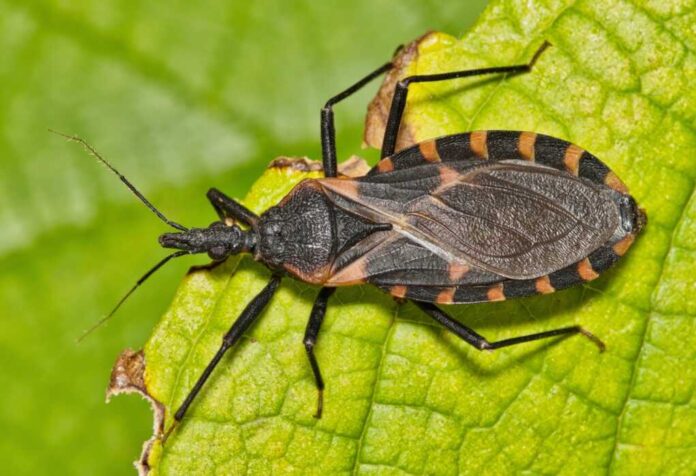
Chagas disease spreads silently across the U.S., raising alarms about health and safety in once-secure communities.
Story Highlights
- Chagas disease, transmitted by the “kissing bug,” is increasingly prevalent in the U.S.
- Climate change contributes to the spread of these bugs northward, posing new health risks.
- Experts emphasize early detection and treatment to prevent severe health outcomes.
- Public awareness is crucial to managing this emerging health threat.
Chagas Disease Emerges as a New Threat in the U.S.
Chagas disease, caused by the parasite *Trypanosoma cruzi*, has long been a health issue in Latin America. However, it’s now making headlines in the United States as the “kissing bug” vector expands its range. The spread is largely attributed to climate change, which allows these bugs to thrive in regions previously free from this threat. As the disease gains a foothold, public health officials are urging vigilance and preventive measures to combat this potentially deadly illness.
Dr. Sanjay Gupta, a leading medical expert, has been at the forefront of educating the public about Chagas disease. In a recent CNN segment, he explained the disease’s symptoms, such as fever and swelling, and stressed the importance of early detection. Treatment options, including antiparasitic drugs like benznidazole, are available, but awareness and early intervention remain key to preventing more severe health complications. This disease, though rare, is increasingly recognized in the southern and southwestern U.S.
Watch: Dr. Sanjay Gupta explains treatment options for ‘kissing bug’ disease spreading in the US
Climate Change Drives Disease Spread
The northward migration of the triatomine bugs, driven by rising temperatures, underscores the broader impact of climate change on public health. These bugs, often called “kissing bugs” due to their tendency to bite the face, have become more common in the U.S., posing new challenges for health officials. Experts, including Dr. Gupta, highlight the urgent need for action to address this climate-linked health threat. Increased surveillance and public education are critical components in managing the disease’s impact.
Among the affected communities, residents in southern states and immigrant populations from Latin America are particularly vulnerable. The disease can also affect pets, with dogs serving as potential reservoirs, further complicating control efforts. Public health agencies are working to enhance diagnostic capacities and educate the public on prevention strategies, yet many cases remain undiagnosed due to the disease’s hidden nature.
Public Awareness and Response
Efforts to raise awareness are gaining momentum as media coverage, led by figures like Dr. Gupta, brings Chagas disease to the forefront of public attention. This increased visibility is vital to ensuring communities take necessary precautions, such as avoiding bug exposure and seeking testing if symptoms arise. The U.S. Centers for Disease Control and Prevention (CDC) continues to issue guidelines and updates to help manage the disease’s spread. The collaboration between media, health agencies, and researchers is crucial in addressing this growing public health challenge.
The broader implications of Chagas disease extend beyond immediate health concerns. The economic impact of increased healthcare costs and potential funding for vector control initiatives presents significant challenges. Nevertheless, with proactive measures and informed communities, the threat of Chagas disease can be mitigated, preserving public health and safety.
Sources:
Dr Sanjay Gupta explains more about the new endemic “Kissing bugs” – YouTube Shorts