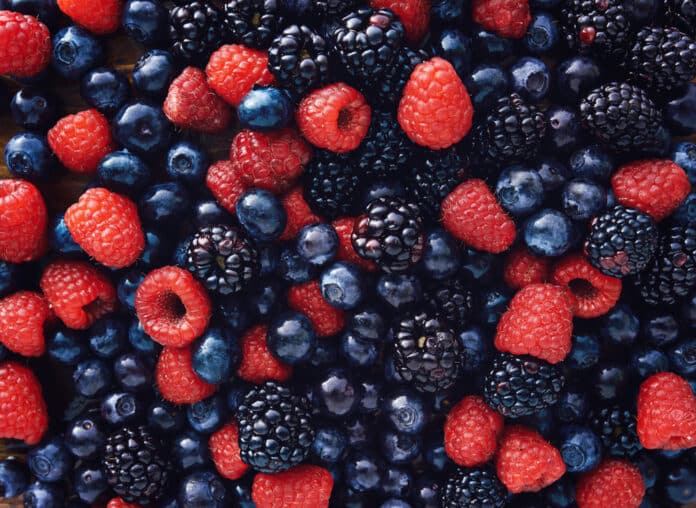
What if the secret to maintaining a sharp mind as you age lies in something as simple as a handful of blueberries?
Story Snapshot
- Wild blueberries are linked to improved cognitive function in older adults.
- Studies show blueberries enhance memory, processing speed, and executive function.
- Anthocyanins in blueberries improve vascular and brain health.
- Blueberries are a practical addition to a brain-healthy diet.
The Science Behind Blueberries and Brain Health
Research has pointed to wild blueberries as a potent “brain food” for their ability to enhance cognitive function, especially in older adults. Studies have shown that consuming a daily handful of these berries improves processing speed, memory, and executive function. The secret lies in anthocyanins, a class of polyphenols, which improve blood flow to the brain, reduce inflammation, and decrease oxidative stress. These compounds make blueberries a powerful addition to a diet aimed at maintaining brain health.
In the early 2010s, human trials began to support what preclinical studies in rodents had suggested—that blueberries could slow age-related cognitive decline. Fast forward to 2022, when a study by the UNC Nutrition Research Institute revealed that daily intake of wild blueberry powder restored processing speed to levels seen in cognitively normal adults. This research, along with other studies, solidifies blueberries’ status as a dietary intervention that may prevent or slow cognitive aging.
Watch:
Got a health question? Ask our AI doctor instantly, it’s free.
Blueprint for Cognitive Longevity
Blueberries are not just a trendy health food; they are backed by rigorous science. The high-quality design of randomized, double-blind, placebo-controlled trials underscores the credibility of these findings. A 2023 study led by King’s College London demonstrated that a 12-week regimen of wild blueberry powder improved executive function, reaction time, and vascular health in older adults, highlighting the berries’ role in cognitive and cardiovascular health.
While the focus has been on wild blueberries due to their higher anthocyanin content, the broader message is that integrating berries into your diet can be a simple yet effective strategy for brain health. The consistency of positive outcomes across multiple studies reinforces the idea that a daily handful of blueberries could be a practical tool in combating cognitive decline.
Blueberries & walnuts are nature’s most powerful anti-aging duos.
Blueberries loaded with anthocyanins — potent antioxidants that protect brain cells, boost memory & reduce inflammation
Walnuts rich in omega3 fatty & polyphenols, help repair brain tissue & stabilize blood sugar
— Organic Live Food (@OrganicLiveFood) December 3, 2025
Smart health starts here, try My Healthy Doc today.
Implications for Aging Populations
As societies age, the prevalence of cognitive impairments and dementia increases. Blueberries offer a food-based approach to mitigating these challenges, making them an attractive option for dietary prevention strategies. They align well with the Mediterranean and MIND diets, which emphasize fruits and vegetables as core components of brain-healthy eating patterns.
The implications of these findings are significant. While short-term benefits include improvements in memory and processing speed, the long-term potential could mean delaying the onset of cognitive decline and reducing dementia rates. However, more extensive and long-term studies are needed to conclusively link blueberry intake to clinical outcomes.
The Role of Stakeholders
Several stakeholders are pivotal in advancing the research and awareness of blueberries’ health benefits. Academic institutions like UNC and King’s College London lead the charge with robust research, while industry groups like the Wild Blueberry Association of North America promote the findings to the public. Media outlets play a crucial role in translating scientific results into actionable health advice, making the story of blueberries as a brain food accessible to the general public.
Ultimately, the narrative that a simple dietary change can have profound health implications resonates strongly with both health professionals and consumers. As more evidence emerges, the inclusion of blueberries in dietary guidelines may become more pronounced, emphasizing their role not just in heart health but also in maintaining cognitive function.
Your new health companion is online, ready when you are.
Sources:
UNC Nutrition Research Institute
Medical News Today
Frontiers in Nutrition
AARP