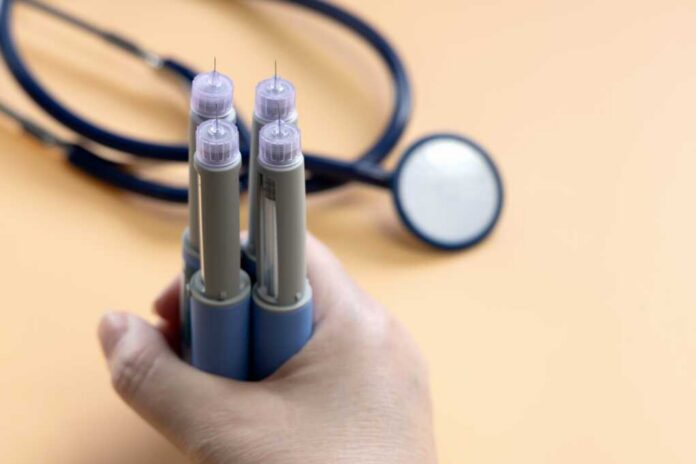
The weight loss miracle drugs everyone’s talking about could turn your body into a weight-regaining machine nearly four times faster than if you’d never touched them at all.
Story Snapshot
- BMJ review of 37 studies shows patients regain weight at 0.4 kg monthly after stopping Ozempic and similar drugs—four times faster than traditional diet methods
- Cardiometabolic health improvements reverse completely within 1.4 to 1.7 years of discontinuation, eliminating heart and diabetes benefits
- Average treatment lasted only 39 weeks with follow-up of 32 weeks, revealing dangerous gaps in long-term safety data
- Real-world discontinuation rates hit 70% by 24 months as patients face plateaus, side effects, and crushing costs
The Honeymoon Period Nobody Warns You About
GLP-1 receptor agonists burst onto the obesity treatment scene like a pharmaceutical lightning bolt. Semaglutide, marketed as Ozempic and Wegovy, along with tirzepatide sold as Mounjaro and Zepbound, delivered what seemed impossible: average weight losses of 17.3% after one year. Patients and doctors celebrated as these drugs, originally developed for type 2 diabetes, suppressed appetites and slowed digestion. The off-label weight loss craze exploded post-2021 when clinical trials confirmed what desperate dieters hoped for. Yet beneath the excitement lurked a biological reality that pharmaceutical companies didn’t advertise on billboards.
When Your Biology Fights Back Harder
The BMJ Group’s systematic review involving 9,341 participants exposed an uncomfortable truth released January 29, 2026. Researchers analyzed what happens after patients stop these medications, and the findings challenge the entire miracle drug narrative. Weight rebounds at 0.4 kilograms monthly, while patients who lost weight through traditional diet and exercise regain at just 0.1 kilograms monthly. This means your body aggressively reclaims lost pounds nearly four times faster after pharmaceutical intervention. The metabolic adaptation is brutal—your body reduces energy expenditure, fighting to restore what it perceives as dangerously low fat stores.
Study raises red flags over long-term effectiveness of popular weight loss drugs like Ozempic – https://t.co/ngqAwMXabf
— Ken Gusler (@kgusler) January 29, 2026
Meet My Healthy Doc – instant answers, anytime, anywhere.
The Temporary Health Mirage
Cardiometabolic improvements vanish faster than weight returns. Blood pressure improvements, cholesterol reductions, and blood sugar stabilization reverse within 1.4 to 1.7 years after discontinuation. Patients facing diabetes and heart disease risks discover their pharmaceutical protection evaporates, potentially leaving them worse off than before treatment began. The review analyzed studies with average treatment durations of just 39 weeks and post-discontinuation follow-ups of 32 weeks maximum. Only eight studies tracked GLP-1 outcomes beyond 12 months after stopping, exposing critical knowledge gaps about long-term consequences.
The Dropout Crisis Nobody Discusses
Real-world persistence data reveals why discontinuation matters so much. Thirty-three percent of Ozempic users quit within 12 months, and 70% abandon GLP-1 treatments within 24 months. Patients cite weight loss plateaus around the one-year mark, intolerable gastrointestinal side effects affecting 62% of users, and costs that devastate budgets once insurance coverage ends. Online patient reviews analyzed through infoveillance studies show that while 67% report effective weight loss, the non-GI side effects—fatigue, mood changes, and metabolic adaptations—drive many to abandon treatment despite initial success.
Got a health question? Ask our AI doctor instantly, it’s free.
Watch:
The Pharmaceutical Empire Stakes
Novo Nordisk and Eli Lilly dominate a market generating over $20 billion annually from these drugs. Their business model depends on continuous use, not short-term interventions. The companies fund research emphasizing efficacy during treatment while long-term post-discontinuation studies remain scarce. Supply shortages persist as off-label demand outpaces manufacturing capacity, yet neither company prominently warns patients about rapid regain risks. The competitive dynamic intensifies as Eli Lilly promotes tirzepatide’s dual GLP-1/GIP action as superior, while Novo Nordisk defends semaglutide’s 40% one-year persistence rate compared to older drugs like liraglutide at just 17%.
What Common Sense Demands Now
The research team concluded that drugs alone prove insufficient for long-term obesity control, urging prevention strategies and combination approaches integrating lifestyle changes with medication. This aligns with conservative principles valuing personal responsibility and sustainable solutions over dependency. The obesity epidemic requires honest conversations about metabolic adaptation, not miracle drug marketing that sets patients up for crushing disappointment and potential health deterioration.
Chat safely, anytime, with My Healthy Doc.
Sources:
JMIR: GLP-1 Receptor Agonist Weight Loss Study
ScienceDaily: Study Raises Red Flags Over Long-Term Effectiveness of Popular Weight Loss Drugs
PubMed: Weight Loss Drug Discontinuation Analysis
MSU Today: Ask the Expert – The Truth About the Ozempic Craze
National Academy of Medicine: Understanding GLP-1 Drugs
ClinicalTrials.gov: GLP-1 Receptor Agonist Trial NCT06751589