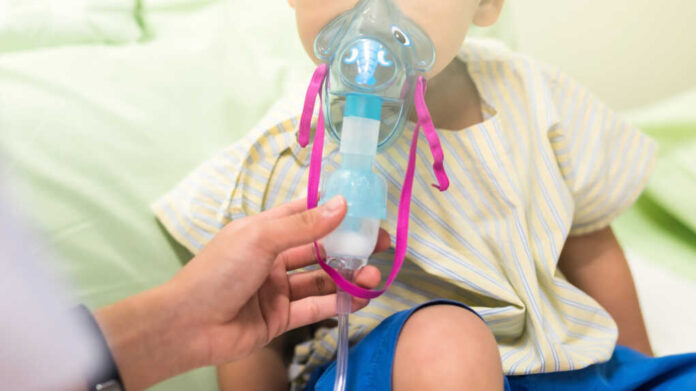
Most parents brush off their child’s runny nose as “just a cold,” but when that seemingly innocent sniffle progresses to rapid, shallow breathing, they’re witnessing RSV’s deceptive transformation from mild nuisance to medical emergency.
Story Overview
- RSV symptoms appear 4-6 days after exposure and range from mild cold-like signs to severe respiratory distress requiring hospitalization
- Infants and premature babies face the highest risk, with 25-40% developing bronchiolitis or pneumonia during initial infection
- Clinical symptoms alone cannot reliably distinguish RSV from other respiratory infections, making laboratory testing essential
- Rapid diagnosis reduces antibiotic misuse and shortens hospital stays while preventing dangerous delays in treatment
The Great Respiratory Masquerader
RSV earned its reputation as medicine’s great imitator through decades of misdiagnosis. Clinical characteristics rarely provide distinctive enough clues to accurately separate RSV infections from other respiratory tract diseases. This diagnostic challenge plagued physicians until the 1970s introduction of immunofluorescent staining, the first rapid test capable of detecting viral antigens in respiratory cells.
The virus operates with surgical precision in its deception. Adults and older children experience what appears to be a garden-variety cold: congested nose, dry cough, low-grade fever, sore throat, and fatigue. These mild symptoms mask RSV’s true identity, allowing the virus to spread undetected through families and communities while parents dismiss the infection as routine seasonal illness.
Got a health question? Ask our AI doctor instantly, it’s free.
When Mild Symptoms Turn Menacing
The early phase of RSV infection deliberately mimics harmless respiratory conditions, particularly in infants and young children. This tactical mildness represents the calm before the storm. In children under three, the disease frequently advances into lower airways, triggering the cascade of symptoms that separates RSV from common colds: persistent coughing, high-pitched wheezing during exhalation, and increasingly labored breathing.
Infants face RSV’s most brutal assault. Their developing respiratory systems cannot withstand the virus’s progression into bronchiolitis and pneumonia. Warning signs emerge rapidly: short, shallow breathing patterns, chest muscles pulling inward with each breath, poor feeding, unusual lethargy, and persistent irritability. These symptoms demand immediate medical attention, as infants can deteriorate from stable to critical within hours.
Watch:
Chat safely, anytime, with My Healthy Doc.
The Premature Infant Paradox
Premature infants present RSV’s most challenging diagnostic puzzle. Their infections frequently manifest atypically, bypassing classic respiratory symptoms entirely. Instead, these vulnerable patients develop apnea episodes, dangerous drops in heart rate, and sudden changes in feeding patterns or ventilation requirements. These non-respiratory presentations often delay recognition and treatment.
Medical researchers discovered that higher viral loads correlate directly with severe clinical courses and increased likelihood of recurrent wheezing episodes. This finding explains why premature infants, with their immature immune systems, experience such devastating consequences from RSV infections that barely affect healthy adults.
Laboratory Confirmation Changes Everything
Modern diagnostic methods revolutionized RSV management through rapid, accurate identification techniques. Direct immunofluorescence assays detect viral antigens using fluorescein-labeled antibodies, while enzyme immunosorbent assays and reverse transcription polymerase chain reaction provide highly sensitive detection of viral components in respiratory secretions.
Specimen quality dramatically impacts diagnostic accuracy. Nasal wash or nasopharyngeal aspirate specimens yield significantly higher detection rates compared to simple nasopharyngeal swabs. This technical detail often determines whether physicians receive definitive diagnosis or continue treating symptoms blindly. Primary care offices typically lack rapid RSV testing capabilities, relegating definitive diagnosis to emergency departments and hospitals.
Get fast, reliable health advice from your AI doctor now.
The Hidden Health System Impact
Rapid laboratory confirmation transforms patient outcomes through measurable improvements in care quality. Confirmed RSV diagnosis reduces unnecessary ancillary testing, decreases inappropriate antibiotic prescriptions, and shortens hospitalization periods. These improvements represent millions of dollars in healthcare savings while reducing patient exposure to unnecessary medications and procedures.
RSV’s interference with immune function creates additional complications beyond respiratory symptoms. Recent research reveals that RSV infection increases COVID-19 susceptibility in both children and adults, with co-infections potentially worsening disease severity. This immune suppression effect explains why RSV patients often experience secondary bacterial infections requiring extended treatment courses.
Sources:
PMC – Respiratory Syncytial Virus Clinical and Diagnostic Research
Mayo Clinic – RSV Symptoms and Causes
Mayo Clinic – RSV Diagnosis and Treatment
Children’s Hospital of Philadelphia – RSV Overview
CDC – RSV Clinical Overview