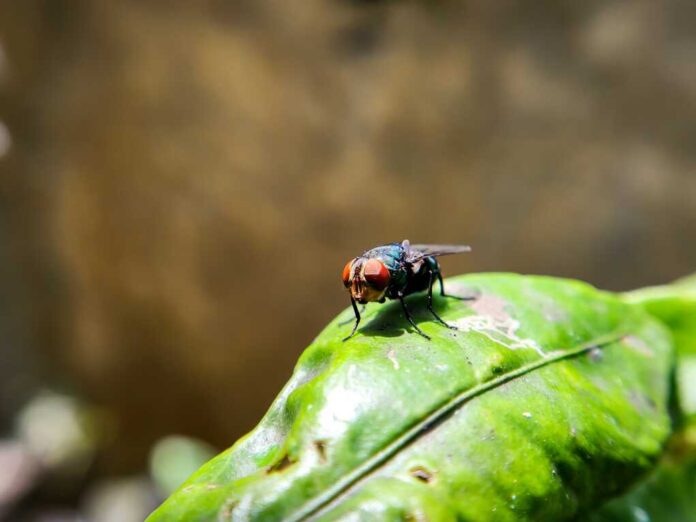
A flesh-eating parasite case has surfaced in Maryland after decades of absence, exposing alarming gaps in border health surveillance.
Story Highlights
- First U.S. human screwworm case in decades confirmed in Maryland resident who traveled to El Salvador
- Over 120 human cases reported in Central America in the past year, raising concerns about regional outbreak spread
- Federal agencies scramble to implement enhanced surveillance as livestock industry faces potential catastrophic losses
- Parasitic fly larvae can kill fully grown cattle in 7-10 days, threatening America’s food security
Decades-Long Eradication Efforts Threatened by Border Failures
The CDC confirmed the first travel-associated human screwworm case in decades after a Maryland resident returned from El Salvador carrying the deadly parasite. This marks a concerning breach in America’s biosecurity defenses that took aggressive eradication campaigns throughout the 1960s-1980s to establish. The New World screwworm, a parasitic fly that infests live tissue, represents exactly the kind of foreign threat that robust border controls are designed to prevent from reaching American soil.
I went to the Darién Gap last year and warned that Chinese invaders and illegals were bringing flesh-eating screwworms into the U.S. Now it's been confirmed that the first human case in the US in decades has been identified in Maryland.
They call him a “Maryland resident,” but… pic.twitter.com/bVNrlX1HAZ
— Laura Loomer (@LauraLoomer) August 28, 2025
Central American Outbreak Exposes Immigration Health Risks
The U.S. embassy in Nicaragua reported over 120 human screwworm cases across Central America in the past year, highlighting the public health dangers emanating from regions with inadequate disease control. This outbreak demonstrates how health crises in countries with porous borders and limited medical infrastructure inevitably threaten American communities. The CDC’s confirmation on August 4, 2025, underscores the need for stricter health screening protocols for travelers from outbreak-affected regions.
Watch: First US human case of screwworm confirmed
Economic Security Under Siege from Foreign Parasites
The National Cattlemen’s Beef Association warns that screwworm infestations can kill fully grown cattle within 7-10 days, threatening America’s $100 billion livestock industry. This economic vulnerability exposes how foreign biological threats can devastate entire sectors of the American economy. The USDA has implemented enhanced surveillance and import controls, but the damage from a single outbreak could cripple ranching communities across multiple states, driving up food prices for hardworking American families.
Federal Response Highlights Border Control Failures
While HHS claims the public health risk remains “very low,” the coordinated response from CDC, HHS, and USDA reveals the seriousness of this threat. Federal agencies are scrambling to implement surveillance measures that should have been in place before this parasite crossed our borders. The case demonstrates how inadequate screening of travelers from disease-prone regions leaves American communities vulnerable to exotic health threats that were successfully eliminated decades ago through proper government action.
This incident serves as a stark reminder that America’s health security depends on maintaining strong borders and rigorous disease surveillance. The livestock industry’s vulnerability to foreign parasites underscores why conservative approaches to border control and agricultural protection remain essential for preserving both public health and economic stability.
Sources:
Screwworm parasite detected in US for first time in decades – TIME
First US human New World screwworm case detected in 2025 – Axios
Maryland resident diagnosed with screwworm parasite – CBS News
HHS, CDC, USDA announce traveler-associated screwworm case surveillance – HHS