Your gut bacteria might be writing your neurological destiny decades before you ever experience a tremor.
Quick Take
- Recent research reveals that gastrointestinal dysfunction precedes Parkinson’s motor symptoms by 10-20 years, suggesting the disease may originate in the gut rather than exclusively in the brain
- Approximately 80-89% of Parkinson’s patients experience gastrointestinal issues, with specific bacterial imbalances identified as potential culprits in disease development
- Scientists have identified a deficiency in short-chain fatty acid-producing bacteria as a shared signature between Parkinson’s disease and inflammatory bowel disease patients
- The gut-brain axis represents a paradigm shift in understanding neurodegeneration, opening new avenues for disease prevention before motor symptoms manifest
The Gut-Brain Connection Nobody Saw Coming
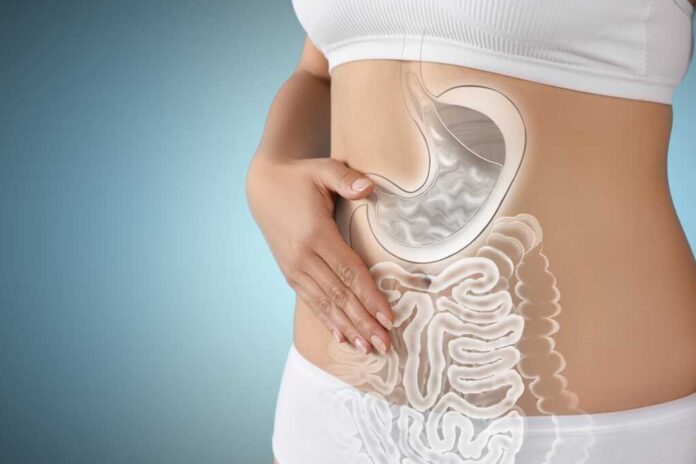
For decades, neurologists treated Parkinson’s disease as a purely brain disorder. Patients arrived at clinics with tremors, stiffness, and movement problems. Doctors prescribed dopamine replacement therapy and called it a day. But clinicians noticed something peculiar: many patients reported constipation and digestive troubles years—sometimes decades—before their first motor symptom appeared.
The answer fundamentally challenges how we understand neurodegeneration. Harvard researchers publishing in 2024 found that damage to the upper digestive tract, including chronic acid reflux and ulcers, increases Parkinson’s disease risk years later. Stanford Medicine’s 2025 analysis synthesized emerging evidence suggesting the disease may originate in the gut microbiome itself.
Watch:
When Bacteria Betray Your Brain
A comprehensive 2025 study examined 257 gut bacterial species in 490 Parkinson’s patients compared to 234 healthy controls. Researchers identified 84 species showing significant associations with the disease: 55 species abnormally elevated and 29 notably depleted. But the pattern underlying these numbers proved more revealing than the raw data. Both Parkinson’s patients and those with inflammatory bowel disease share a critical deficiency: they lack sufficient bacteria that produce short-chain fatty acids, particularly butyrate, propionate, and acetate.
The Chicken-and-Egg Problem Gets Complicated
Dr. Isaac Goldszer, a neurologist at Henry Ford Health specializing in Parkinson’s disease, articulates the central puzzle: approximately 89% of people living with Parkinson’s disease experience disruptive gastrointestinal issues before motor symptoms appear. Yet determining causality remains maddeningly difficult. Does dysbiosis cause Parkinson’s, or does early neurodegeneration damage the gut? Parkinson’s medications themselves alter microbiota composition. Parkinson’s disease slows digestion, triggering constipation, which further disrupts bacterial communities. However, bloating relief starts with the right insight.
The Mouth-Gut-Brain Highway
July 2025 research revealed an unsettling discovery: bacteria typically found in the mouth are commonly present in the guts of people with Parkinson’s disease-mild cognitive impairment and Parkinson’s disease dementia. As cognitive decline progresses, oral bacteria increasingly colonize the gut, potentially contributing to neuroinflammation and accelerating cognitive deterioration. This suggests a progressive pathway where early dysbiosis permits pathogenic bacterial migration, creating a vicious cycle of escalating neurodegeneration.
The Prevention Window Nobody Knew Existed
Current Parkinson’s treatments manage symptoms but don’t halt disease progression. Dopamine agonists and levodopa replace depleted neurotransmitters without addressing underlying neurodegeneration. But if dysbiosis precedes motor symptoms by 10-20 years, a massive intervention window opens. Individuals with inflammatory bowel disease, early gastrointestinal dysfunction, or family history of Parkinson’s could receive microbiome-targeted interventions years before neurological damage becomes irreversible.
This shifts medicine from reactive treatment to proactive prevention. Rather than waiting for tremors to develop, clinicians could identify dysbiosis through microbiome profiling and restore SCFA-producing bacteria through dietary modification, targeted probiotics, or prebiotic compounds. Fix your gut start your free consult.
Sources:
Parkinson’s Foundation – Parkinson’s and Gut Health
PMC/NIH – Mendelian Randomization Study on Gut Microbiota and Parkinson’s Disease
Lewy Body Dementia Association – Gut Health and Parkinson’s Disease Dementia
Mind Body Green – New Study Links Gut Microbiome Imbalance to Parkinson’s Disease
Henry Ford Health – Gut Health and Parkinson’s Disease
Stanford Medicine – Gut-Brain Connection in Parkinson’s Disease