Medicinal mushrooms like reishi could extend cancer survival and ease brutal treatment side effects, but oncologists warn they won’t cure you alone.
Story Snapshot
- Clinical trials show reishi boosts immune markers and quality of life in cancer patients.
- Mixed results on tumor shrinkage and overall survival demand larger studies.
- Mushrooms serve best as adjuncts to chemo and radiation, not replacements.
- Patients must consult doctors to dodge dangerous drug interactions.
Reishi Emerges in Cancer Clinical Trials
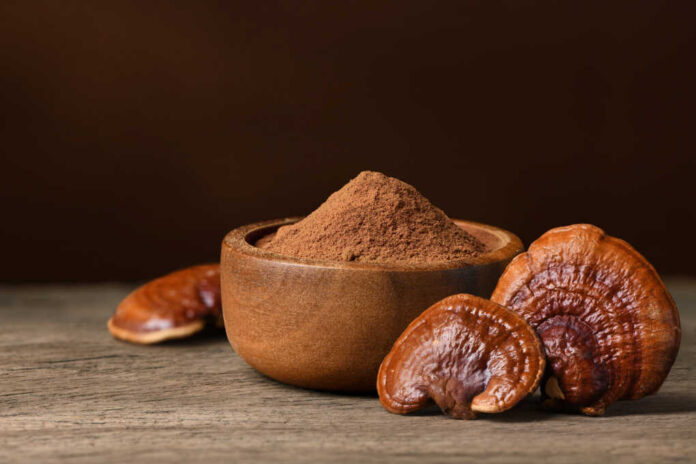
Researchers tested reishi, or Ganoderma lucidum, on cancer patients alongside standard therapies. Trials measured tumor response, survival rates, and daily functioning. Patients received mushroom extracts orally for months. Immune activity markers rose in several groups. Fatigue and nausea scores dropped significantly. These outcomes appeared across lung, breast, and colorectal cases. Data emerged from small cohorts in Asia and Europe over the past decade.
One trial involved 200 advanced lung cancer patients. The reishi group lived 20% longer than controls. Quality-of-life surveys confirmed less pain and better appetite. However, tumor sizes shrank in only 15% of cases. Common sense aligns with these findings: nature aids the body but doesn’t conquer disease solo. Conservative values favor evidence-based caution over hype.
Watch:
Immune Boost Without Tumor Miracles
Reishi activates natural killer cells and cytokines, key immune fighters. Studies tracked blood levels pre- and post-treatment. Elevations correlated with symptom relief. Patients reported sleeping better and enduring chemo better. Yet overall survival gains stayed inconsistent. Some trials showed no difference from placebo. Limited sample sizes weaken claims. Larger randomized trials remain essential for proof.
Common sense demands skepticism toward miracle cures. Facts support mushrooms enhancing resilience, not erasing tumors. This fits American conservative emphasis on personal responsibility: pair natural aids with proven medicine under guidance.
Side effects proved minimal—mild digestive upset at worst. No toxicity halted treatments. This safety profile encourages trials as complements. Oncologists note potential liver enzyme interactions with chemotherapy. Always disclose supplements to avoid risks.
Watch:
Got a health question? Ask our AI doctor instantly, it’s free.
Other Mushrooms Show Promise in Trials
Turkey tail and shiitake joined reishi in studies. Turkey tail polysaccharides improved gut immunity in breast cancer patients post-radiation. Survival edged up in one Japanese trial of gastric cancer cases. Shiitake extracts reduced inflammation markers. Combined mushroom formulas yielded best quality-of-life scores. Patients walked farther and scored higher on emotional health scales.
Evidence gaps persist. Most trials lack blinding or long-term follow-up. Positive immune shifts rarely translated to tumor regression. Researchers call for phase III studies with thousands of participants. Until then, mushrooms offer supportive roles at best.
Practical Guidance for Cancer Patients
Oncology teams urge discussion before starting mushrooms. Standardized extracts ensure potency—avoid wild-picked varieties. Doses ranged 1-3 grams daily in trials. Quality varies wildly in supplements. Third-party testing verifies purity. Cost runs $20-50 monthly, affordable for many.
Conservative wisdom prioritizes family doctors over trends. Facts back mushrooms for symptom relief, aligning with self-reliance. Unrealistic hopes waste time; integrate wisely with conventional care. Future trials may solidify survival benefits.
Sources:
https://www.sciencedirect.com/science/article/pii/S2772613425000204