More than 8 in 10 people who think they eat healthy are still missing a specific heart-protecting compound — and the gap has nothing to do with how many fruits and vegetables they eat.
Quick Take
- Fewer than 20% of people in a 30,000-person study consumed enough flavanols to reach levels linked to lower heart disease risk, even when following standard healthy eating advice.
- Flavanols are natural plant compounds found in specific foods like berries, green tea, apples with skin, dark cocoa, and certain beans — not all fruits and vegetables contain them in meaningful amounts.
- Research shows flavanols help blood vessels relax and widen, lower blood pressure, and reduce platelet clumping — all key factors in heart health.
- The science is promising but not finished — most strong evidence comes from biomarkers like blood pressure and blood vessel function, not yet from long-term heart attack or stroke prevention trials.
Most People Eating “Healthy” Are Still Missing This Compound
Researchers from the University of Reading, Harvard Medical School, the University of California, Davis, and Mars, Inc. studied dietary data from more than 30,000 people in the United Kingdom and United States. Their findings, published in Food and Function, showed that fewer than 20% of participants consumed enough flavanols to reach intake levels previously linked to lower cardiovascular risk. [4] The kicker: many of those same people were already following standard advice to eat five portions of fruits and vegetables per day. Following general healthy eating rules simply does not guarantee enough flavanols.
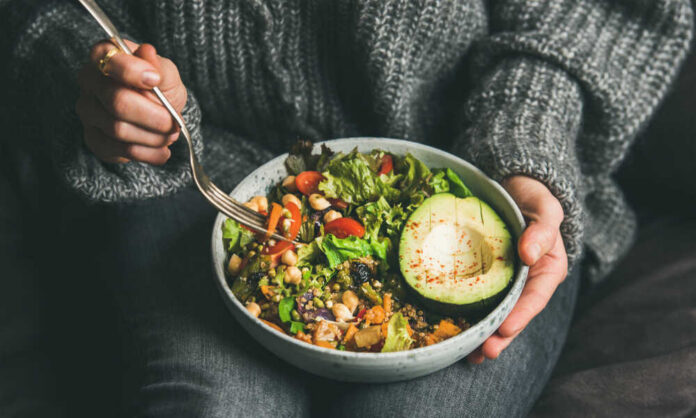
Flavanols are a specific subgroup of plant compounds called flavonoids. They are not spread evenly across all produce. Eating a banana or a head of lettuce does little for flavanol intake. The real sources are more targeted: blackberries, blueberries, strawberries, cherries, plums, cranberries, apples eaten with the skin on, green tea, broad beans, and pinto beans. [4] One cup of brewed green tea delivers roughly 200 milligrams. A serving of blackberries provides about 250 milligrams. Most people never come close to combining those foods in a single day.
What Flavanols Actually Do Inside Your Arteries
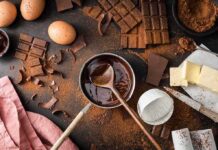
The mechanism behind the heart benefit is well-studied. Flavanols trigger the release of nitric oxide in the body. Nitric oxide tells blood vessels to relax and widen, which improves blood flow and reduces pressure on artery walls. Studies on high-flavanol cocoa found it improved artery dilation by 47 percent more than low-flavanol cocoa, increased cells that help repair blood vessels, and significantly reduced blood pressure in participants. [1] That is a meaningful biological effect, not a trivial one.
A review in US Cardiology Review confirmed that flavanol-rich cocoa improved flow-mediated dilation, raised nitric oxide levels, and reduced platelet clumping — the kind of clumping that contributes to dangerous blood clots. [2] A separate meta-analysis of 20 short-term randomized controlled trials found that dark chocolate and cocoa products reduced systolic blood pressure by 2.77 millimeters of mercury and diastolic by 2.20 millimeters of mercury. Those numbers may sound small, but consistent blood pressure reductions at a population level translate into real reductions in heart events over time.
The Honest Limit of the Evidence
Here is where intellectual honesty matters. The strongest flavanol research centers on cocoa. Extending those findings to every berry, bean, and cup of tea on the list is scientifically reasonable but not yet equally proven in direct trials. [2] The evidence also leans heavily on intermediate markers — blood pressure, blood vessel function, nitric oxide levels — rather than confirmed reductions in heart attacks, strokes, or deaths. Large-scale randomized controlled trials confirming those hard endpoints are still needed. [2] Anyone who tells you flavanols are a proven cure for heart disease is getting ahead of the data.
That said, dismissing the evidence because it relies on biomarkers misses the point. Blood pressure and blood vessel function are not trivial lab curiosities. They are the exact mechanisms through which heart attacks and strokes develop over decades. The direction of the evidence is consistent, the biological pathway is understood, and the foods involved are safe, affordable, and widely available. Epidemiological data also found an 18% reduction in fatal cardiovascular disease risk in people with the highest flavonoid intake compared to the lowest. [9]
A Practical Shift That Costs Almost Nothing
The fix here is not complicated or expensive. It does not require supplements, specialty products, or a complete diet overhaul. Swap a banana for an apple and eat the skin. Add a cup of green tea in the morning. Toss blueberries or strawberries into breakfast. Swap a side dish for pinto beans twice a week. These are small, ordinary food choices that most households can make without a second thought. The point is not to abandon general healthy eating guidance — it is to make smarter choices within it. Not all fruits and vegetables are created equal when it comes to this specific compound, and that distinction is worth knowing.
Sources:
[1] Web – Think you’re eating healthy? You may be missing this heart-protecting …
[2] Web – Flavanol-rich foods may help heart disease patients, study suggests
[4] Web – Flavanol-rich foods offer vascular protection during extended sitting
[9] Web – Are you concerned about cardiovascular disease? A study of 30,000 …