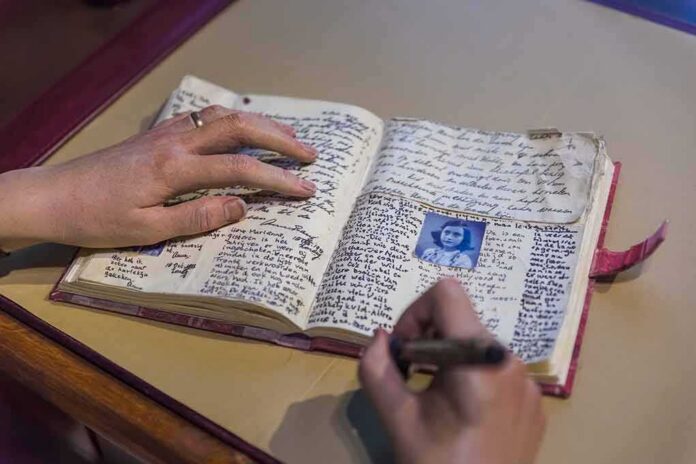
America’s youngest adults are trading late-night doomscrolls for yarn, film cameras, and bird lists—and they are not looking back.
Story Snapshot
- NBC’s TODAY spotlighted a 2026 surge in hands-on “analog” hobbies among Gen Z.
- Retail and media trend reports point to rising interest in crafts, journals, and retro gear.
- Search data and lifestyle coverage show the shift coming with screen fatigue.
- Studies link doomscrolling to anxiety and poor sleep, pushing people to unplug.
What Sparked The Pivot Away From Scrolling
NBC’s TODAY aired a segment on August 25, 2026, showing younger people picking up hobbies their parents and grandparents loved, from needlepoint to birdwatching. The piece framed this as a clear turn from passive feeds to tactile, skill-based pastimes. The tone was not niche. It treated analog hobbies as mainstream and growing. The takeaway matched a steady drumbeat across lifestyle media: people want time back, and they want their hands busy with real stuff, not endless swipes.
Commerce editors at the Today Show echoed that shift. They reported a strong rise in interest for “analog activities” and said these screen-free pursuits have “really taken off” in recent months. Their picks spanned puzzles, journaling, crafting, and other quiet-time habits you can throw in a tote and bring to a park bench. That language—“draw us away from doomscrolling”—speaks to motive. People are looking for relief, not just novelty. They want calm, focus, and a sense of progress.
The Signals: Retail Data, Search Spikes, And New Lingo
Craft retailer reports lined up behind the story. Coverage of Michaels’ 2026 Creativity Trend Report described a cultural shift toward mindful, creative time that replaces screen time. A follow-on list of top crafting trends said many of us are in an “offline era,” craving tactile work to reclaim time and identity in an automated world. Lifestyle outlets labeled the broader push “hobby-maxxing,” where calendars fill with pottery, knitting, and sourdough as an intentional counter to the doomscroll.
Search and shopping behavior added more clues. One outlet cited a year-over-year jump in searches for retro digital cameras between May 2025 and May 2026, pointing to a nostalgia wave with real dollars behind it. Business Insider reported that Gen Z is logging media they consume and swapping phone time for in-person hobbies, even using retro-style tech at home. A Today Show shopping guide said “analog activities” surged on Google Trends, reinforcing that interest is broad, not a micro-fad.
Why Going Analog Feels Better
Research on doomscrolling gives the emotional backdrop. A scoping review found consistent links between doomscrolling and higher anxiety, stress, and depression symptoms. Another study tied doomscrolling to worse sleep quality, which most adults feel the very next morning. The pattern is simple and familiar: when screens drain peace and focus, people reach for hobbies that give them rhythm, control, and a small win at day’s end. Knitting a scarf beats reloading a feed that never ends.
That cause-and-effect resonates with common sense and conservative values. Build skills, not screen time. Trade passive consumption for self-reliance and craft. Make something you can hold, gift, or even sell. These are old American instincts—practical, frugal, and community-minded. A birding walk or a quilting bee costs little and pays off in calm and friendship. Parents also like hobbies because they model grit and patience for kids.
What Sticks And What Fades
Not every analog craze will last. Some trends spike and cool. But several moves look durable because they fit daily life. “Analog bags” stuffed with a notebook, a paperback, and a small craft kit make idle time useful on trains and sidelines. Pen-pal clubs, #WorkInProgress tags, and local craft meetups add the social layer that keeps habits alive. Retailers have built shelves and classes around this wave, which helps a new hobbyist get started without fear or guesswork.
The practical test is simple: does it help you sleep, focus, and connect? If yes, it sticks. A sourdough starter, a garden box, or a weekly sketch circle asks for slow, steady effort. The reward is real progress you can taste, touch, or frame. Even a single analog slot each day—fifteen minutes before bed—can reset a tense mind. That is the kind of small, repeatable win that beats a phone’s slot machine pull every time.
What To Try Next
Start with one hands-on habit you can carry and finish in short steps. A mini cross-stitch kit fits a commute. A pocket notebook turns idle minutes into plans and stories. A thrift-store film camera slows you down to twelve careful shots on a walk. A simple puzzle on the coffee table makes family time quiet and close. Keep the phone in a drawer. Notice the calm. Then repeat tomorrow. The trend is here, but the change is yours to keep.
Sources:
youtube.com, yahoo.com, news.stv.tv, hola.com, usatoday.com, thewest.com.au, ijirt.org, urj.uin-malang.ac.id