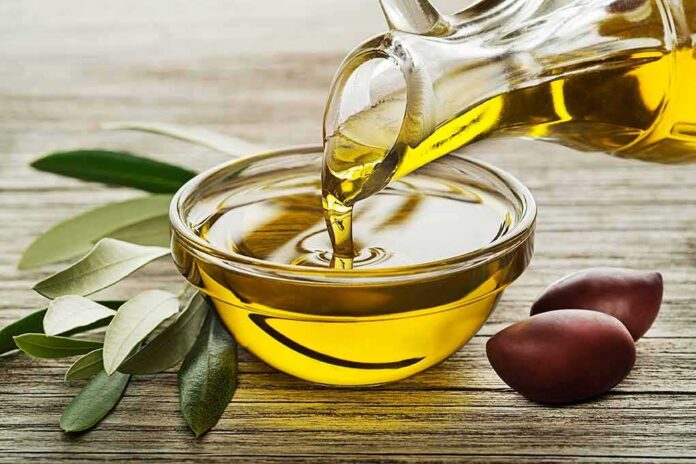
A splash of olive oil taken fifteen minutes before a carb-heavy meal blunted the early blood sugar spike in mice, according to new research out of Kyoto University.
Story Snapshot
- Kyoto University researchers found olive oil given 15 minutes before glucose lowered the early blood sugar rise in mice.
- The same oil given after glucose did not produce the benefit, pointing to timing as the key factor.
- Researchers linked the effect to slower stomach emptying and higher levels of gut hormones that help control blood sugar.
- The early-spike benefit held up even in mice with type 2 diabetes and severe insulin loss.
What The Kyoto University Study Actually Found
Researchers at Kyoto University ran a simple test on mice that had fasted overnight. One group got water before a glucose dose. Another got olive oil 15 minutes before glucose. A third got olive oil 15 minutes after glucose. Only the oil-first group showed a smaller early jump in blood sugar, according to the university’s own research announcement.
The timing mattered more than the oil itself showing up at all. Mice that got olive oil after their glucose dose saw no meaningful change in their blood sugar response, the original study summary reported. That detail turns this from a general “olive oil is healthy” story into something more specific: a question of sequence, not just ingredients.
Why Order Of Eating Seems To Change The Body’s Response
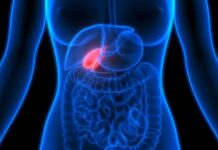
The research team pointed to slower stomach emptying as the likely reason. When olive oil entered the stomach first, it appeared to delay how fast glucose moved into the intestine, where sugar gets absorbed into the bloodstream. That delay gave the body more time to respond before blood sugar could spike as sharply, Kyoto University reported.
Beyond gastric timing, the mice also showed early increases in several hormones tied to blood sugar control, including glucagon, GIP, and GLP-1, according to the study. Researchers tracked blood glucose alongside these hormones rather than relying on a single measurement, which strengthens the case that something real was happening inside the digestive system, not just a fluke blood draw.
The Effect Held Up Even In Diabetic Mice
One of the more notable findings: the early blood sugar benefit persisted in mice bred to have type 2 diabetes and severe insulin deficiency. That matters because it suggests the mechanism does not depend on healthy insulin production working normally, which is often the broken piece in diabetes. The effect showed up whether or not the animal’s insulin system was intact.
What This Study Does Not Yet Prove
The benefit showed up mainly in the first 15 to 30 minutes after eating and faded by about an hour, according to independent reporting on the study. Some coverage noted no real difference in total blood sugar exposure across a full two-hour window. That means this looks like a delay in the spike, not necessarily a drop in overall sugar load.
The mouse dose also does not translate cleanly into a human serving. Researchers used 5 milliliters of olive oil per kilogram of body weight, a figure with no established human equivalent yet. And the carb challenge was pure glucose, not bread, rice, pasta, or a normal mixed meal with protein and fiber. Human trials testing real food would be the next logical step.
How This Fits A Bigger Pattern In Nutrition Science
This is not an isolated claim. A broader body of research on meal sequencing has found that eating protein, vegetables, or fat before carbohydrates tends to lower the early blood sugar spike in people too. A 2025 analysis of 17 studies in people with type 2 diabetes found lower glucose at 60 and 120 minutes and a small improvement in long-term blood sugar control, though researchers called the effect minimal and said more study is needed.
That broader pattern gives the Kyoto University mouse findings some real-world grounding, even though mouse biology and human biology are not identical. The known hurdle with animal research is that findings do not always carry over to people, a limitation long recognized in drug and nutrition science. Still, a plausible mechanism paired with consistent results across species is worth taking seriously, not dismissing.
For now, the honest takeaway is modest but useful: timing how you eat your fat relative to your carbs may matter more than most people assume. A drizzle of olive oil before dinner is a low-risk habit worth trying while researchers work out exactly how far the benefit extends in humans.
Scientists Had Mice Eat Olive Oil Before Carbs, And It Changed Their Blood Sugar Response
— AM (@AMwolfhunter) October 13, 2026
Until human trials with real meals and standard servings are done, nobody should treat this as a medical fix for diabetes or blood sugar problems. It is a promising lead backed by a named, peer-reviewed study, not a finished prescription.
Sources:
mindbodygreen.com, kyoto-u.ac.jp, sciencealert.com, azolifesciences.com, synapsesocial.com, ajupress.com