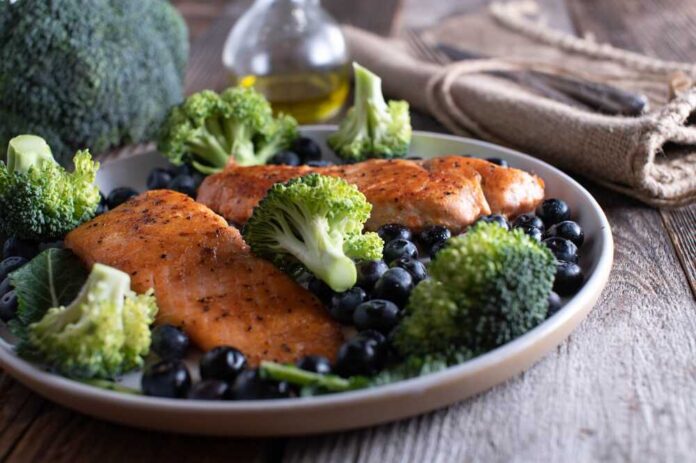
Blueberries don’t just taste great—they could shield your brain from dementia, according to a Harvard psychiatrist who links everyday foods directly to mental sharpness.
Story Snapshot
- Dr. Uma Naidoo recommends berries, fish, and leafy greens to boost brain chemicals like BDNF and fight depression or cognitive decline.
- Mediterranean diet patterns outperform single nutrients for long-term mental health protection.
- Critics flag overstated claims, but evidence supports whole foods over processed junk amid rising mental health crises.
- Accessible diet changes offer low-cost alternatives to medications, aligning with self-reliance values.
Dr. Uma Naidoo’s Core Brain Foods
Dr. Uma Naidoo, Harvard-trained nutritional psychiatrist at Massachusetts General Hospital, identifies blueberries as top brain protectors. Flavonoids in these berries reduce cognitive decline risk, as shown in studies by researcher Deborah Blacker. Naidoo draws from her 2020 book This Is Your Brain on Food, which synthesizes decades of research linking diet to brain chemistry. She promotes these foods for everyday mental resilience. Salmon and other fatty fish deliver omega-3 fatty acids that upregulate synaptic genes in animal models and support human cognition.
Watch:
Shift from Nutrients to Dietary Patterns
Research evolved from pre-2010 focus on isolated nutrients like B vitamins, folic acid, and omega-3s for neurodevelopmental issues. By 2008-2018, scientists emphasized full patterns such as the Mediterranean diet. This approach uses fish, vegetables, olive oil, and nuts to lower inflammation, enhance BDNF, and improve microbiome health. Clinicians now integrate these patterns to boost monoamines and reduce anxiety or depression symptoms. Industrialized diets high in saturated fats worsen oxidative stress and synaptic function, making the switch urgent.
Watch:
Mechanisms Behind Food-Brain Links
Omega-3s in fish promote synaptic plasticity, while saturated fats impair cognition in both rodent and human studies. Flavonoids from berries combat neural oxidation, a key factor in brain vulnerability. Gut-brain hormones and neurotransmitter modulation explain why whole foods outperform supplements. Naidoo’s work highlights BDNF as a growth factor elevated by these nutrients, fostering neuron connections. Traditional diets prove optimal, countering modern processed foods that fuel mental health epidemics—the top global disability cause.
Stakeholders and Power Dynamics
Naidoo leads as author and media voice, backed by MGH’s Center for Nutrition and Integrative Brain Health. Her Harvard prestige amplifies reach via CNBC, though McGill Office for Science and Society critiques hype around book sales. Researchers like Blacker supply peer-reviewed data on flavonoids. Clinicians adopt fish, greens, and nuts for patients. Common sense favors this evidence-based push over pharma reliance, but facts demand caution on causal overstatements lacking full human trials.
Current Advances and Critiques
2024 Frontiers editorial calls for human trials beyond animal models in nutritional psychiatry. Naidoo stresses B vitamins and flavonoids for depression and dementia prevention. Consensus favors patterns over isolates, with ongoing media echoing her lists. Critics invalidate broad claims like gluten-free for all schizophrenia, noting correlational limits. Despite uncertainties in dosing and RCTs, short-term anti-inflammatory benefits appear solid for anxiety relief.
Impacts on Health and Society
Mental health patients and elderly gain neuroprotection from accessible foods, reducing stigma through empowerment. Long-term adoption could yield population-wide dementia prevention and economic savings versus medications. Whole foods markets for berries and fish expand, challenging pharmaceutical dominance while spurring funding. This aligns with conservative values of personal responsibility—diet as proactive defense, not government pills—grounded in peer-reviewed mechanisms despite hype risks.
Sources:
Frontiers in Nutrition editorial on nutrition for neurodevelopmental disorders
PMC/NIH review on brain foods and synaptic plasticity
PMC article on dietary patterns and mental health
McGill OSS critique of nutritional psychiatry claims
MGH Psych News on Dr. Naidoo’s brain health diet insights