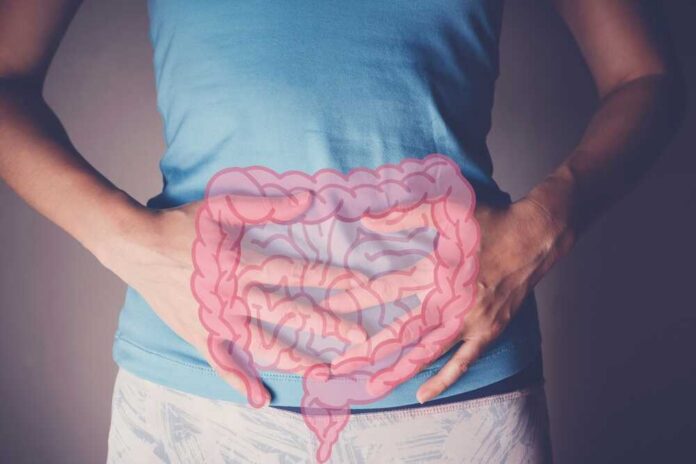
A special type of starch ferments in your gut like a prebiotic, tames blood sugar spikes better than most fibers, and hides in foods you might already eat—if you know how to unlock it.
Story Snapshot
- Resistant starch resists digestion in the small intestine, reaching the colon intact to feed beneficial gut bacteria and produce short-chain fatty acids that regulate glucose and insulin.
- Meta-analyses confirm resistant starch lowers fasting and post-meal blood sugar in type 2 diabetics, with some trials showing HbA1c drops of 0.3 percent and reduced inflammation markers.
- Unlike fiber, resistant starch is enzymatically resistant starch-based carbohydrate, effective at 10 to 30 grams daily, found in cooked-then-cooled potatoes, rice, intact grains, and raw green bananas.
- Recent 2025 studies suggest substituting just 15 percent of dietary starch with resistant starch manages type 2 diabetes glycemia without sacrificing taste or calorie load.
The Carbohydrate That Behaves Like a Prebiotic
Resistant starch earns its name by dodging digestive enzymes in the small intestine, traveling intact to the colon where gut microbes ferment it into short-chain fatty acids like butyrate. This fermentation process distinguishes resistant starch from conventional fiber, which forms bulk and sweeps through the gut. Instead, resistant starch acts as fuel for beneficial bacteria, triggering the release of hormones like GLP-1 that moderate insulin and glucose levels. Scientists classify resistant starch into five types: RS1 in intact grains and seeds, RS2 in raw potatoes and green bananas, RS3 in cooked-then-cooled starches, and emerging RS4 and RS5 in chemically modified or high-amylose starches.
Four Decades of Research Converge on Blood Sugar Benefits
The resistant starch story began in the late 1970s and early 1980s when researchers isolated starch fractions that resisted amylase digestion. By 2001, scientists had formalized the five-type classification system. Rat studies through the 1990s and 2010s demonstrated that high-resistant-starch diets reduced body weight, glucose, and insulin levels by altering gut microbiota composition. Human trials followed, with 2020s meta-analyses confirming fasting and postprandial glucose reductions, especially in type 2 diabetics. The most recent 2025 trials highlighted sago-derived RS2 for caloric control and affirmed that chronic RS1 and RS2 intake outperforms RS2 alone for fasting glucose management.
Why Resistant Starch Outperforms Typical Fiber for Glucose Control
Fiber is a mix of insoluble and soluble non-starch polysaccharides that add bulk and slow digestion. Resistant starch is starch—chemically a carbohydrate—but structured to resist breakdown until it reaches the colon. There, fermentation yields butyrate and other short-chain fatty acids that lower gut pH, boost populations of Bifidobacteria and Akkermansia, and stimulate incretin hormones that enhance insulin sensitivity. Rat studies show inverse correlations between butyrate levels and blood glucose or insulin, with coefficients of negative 0.78 and negative 0.62 respectively. Human trials reveal postprandial glucose levels 10 to 15 milligrams per deciliter lower in resistant-starch groups versus controls, with no caloric penalty at effective doses of 10 to 30 grams daily.
Real-World Applications for Diabetics and Health Seekers
Type 2 diabetics benefit most from resistant starch, with trials documenting HbA1c reductions of 0.3 percent and drops in inflammatory markers like TNF-alpha. Substituting 15 percent of daily digestible starch with resistant starch maintains palatability while managing glycemia. Practical sources include cooked-then-cooled rice or potatoes, intact lentils, raw green bananas, and high-amylose corn products. The Prebiotic Association and UCLA Health endorse resistant starch for gut microbiome support, noting RS3’s potency for short-chain fatty acid production. Evidence for prediabetes remains less conclusive, and some trials report no bodyweight changes, suggesting resistant starch’s strength lies in metabolic regulation rather than calorie displacement.
The food industry is pivoting toward resistant-starch-fortified products as dietary guidelines catch up to two decades of clinical evidence. Challenges persist: RS4 and RS5 remain understudied, and middle-income diabetic populations in some trials showed minimal response, hinting at genetic or dietary cofactors. Yet the convergence of rat models, human meta-analyses, and 2025 clinical trials points to a robust, dose-dependent effect. For diabetics weary of restrictive diets, resistant starch offers a science-backed carbohydrate swap that feeds the gut, moderates insulin, and preserves the pleasure of eating starchy foods—provided you cook them, cool them, and serve them with patience.
Sources:
Effect of Resistant Starch on the Human Gut Microbiota and Its Health Benefits
Resistant Starch for Diabetes Prevention and Management
Prebiotic Type Spotlight: Resistant Starch 2025
Effects of Resistant Starch Types on Glycemic Response
Resistant Starches: The Newest Thing in Gut Microbiome Talk
Effects of Resistant Starch on Glycaemic Control: A Systematic Review and Meta-Analysis
Resistant Starch May Help Control Blood Glucose