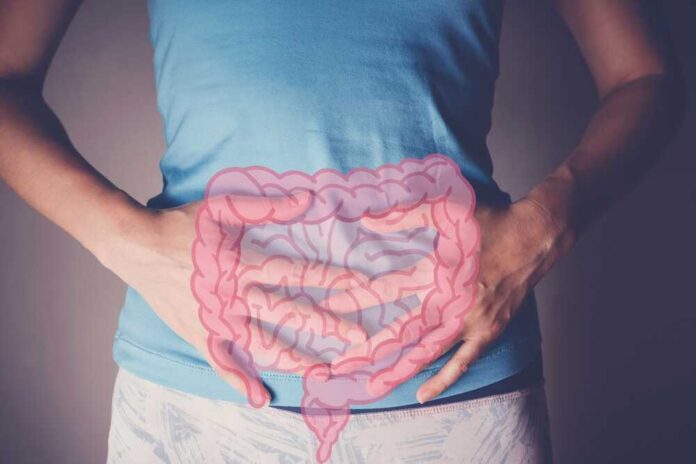
Your gut might betray you long before heatstroke strikes, and scientists have discovered the exact temperature when your intestinal walls begin to crumble and leak bacteria into your bloodstream.
Story Snapshot
- Core body temperature of 39°C during exercise in heat triggers predictable gut damage and bacterial leakage into the bloodstream
- Up to 85% of endurance athletes experience debilitating gastrointestinal symptoms during prolonged exertion in hot conditions
- Heat acclimation training increases beneficial gut bacteria while decreasing harmful organisms, offering a protective mechanism
- Outdoor workers face life-threatening risks including systemic shock and sepsis from heat-induced intestinal damage
- New research identifies targeted nutritional interventions that maintain blood flow to the gut during extreme heat exposure
The Invisible Threshold That Destroys Your Gut
Monash University researchers pinpointed the precise moment when your gut begins its descent into chaos. Two hours of steady running at 60% of maximum aerobic capacity in temperatures between 35.0 and 37.2 degrees Celsius pushes core body temperature to 39°C. At this threshold, blood flow redirects away from the intestines toward working muscles and skin for cooling. The gut lining, starved of oxygen and nutrients, begins to break down. Tight junction proteins that seal the intestinal barrier weaken and separate. Bacteria and their toxic byproducts slip through the compromised walls into the bloodstream, triggering inflammatory cascades that can spiral into sepsis.
From Marathon Runners to Construction Workers
The gastrointestinal carnage extends far beyond the athletic arena. Outdoor workers toiling in oppressive heat face identical physiological threats without the performance motivation or medical support that athletes enjoy. Construction laborers, agricultural workers, and others in physically demanding outdoor occupations experience the same core temperature elevations and gut damage patterns. The consequences prove more severe for these populations. Limited access to cooling strategies, inadequate hydration breaks, and delayed medical intervention transform manageable heat stress into medical emergencies. Queensland, Northern Territory, and Western Australia represent particularly high-risk regions where occupational heat exposure routinely pushes workers past the 39°C threshold.
Your Gut Bacteria Hold the Heat Resistance Key
The composition of microorganisms inhabiting your intestines determines whether you thrive or collapse under heat stress. Recent research reveals that heat acclimation training fundamentally rewires the gut microbiome. Beneficial bacteria including Dorea, Blautia, and Lactobacillus species proliferate while pathogenic organisms decline. These protective bacteria produce metabolites that strengthen the intestinal barrier, modulate inflammatory responses, and enhance immune function. Athletes who undergo gradual heat exposure protocols demonstrate elevated immune factors and reduced organ damage markers compared to non-acclimated individuals. The microbiome shifts occur alongside measurable improvements in heat tolerance, suggesting the gut ecosystem actively participates in physiological adaptation rather than passively responding to thermal stress.
The Gut-Liver-Brain Connection Under Thermal Assault
UC Irvine researchers uncovered a disturbing multi-organ communication network activated by heat stress. When gut inflammation begins, the liver responds by secreting increased amounts of ORM2, a protein that serves as both a distress signal and attempted protective mechanism. This protein travels through the bloodstream and may penetrate the brain through a heat-compromised blood-brain barrier. The discovery reveals that heat stress effects cascade beyond isolated gastrointestinal damage into systemic complications affecting cognitive function and neurological health. The gut-liver-brain axis represents a previously underappreciated pathway through which extreme temperatures inflict widespread physiological harm. Understanding ORM2 dynamics offers potential for developing biomarkers that predict heat illness severity and guide targeted interventions before catastrophic organ failure occurs.
Nutritional Strategies to Protect Your Intestinal Walls
Scientists are actively developing nutritional countermeasures against heat-induced gut damage. Traditional carbohydrate and protein strategies provide baseline support but fall short of optimal protection during extreme heat exposure. Monash University researchers are testing advanced approaches that specifically maintain blood flow to the intestinal region during exertional heat stress. Water intake emerges as surprisingly effective, lowering rectal temperature and respiration rates while preserving gut barrier integrity. The timing, quantity, and composition of fluid and nutrient intake before and during heat exposure appear critical. Ongoing research aims to establish precise protocols that balance hydration, electrolyte replacement, and substrate availability to minimize intestinal permeability increases while supporting performance and safety.
Climate Change Amplifies the Gut Health Crisis
Rising global temperatures transform heat-related gastrointestinal damage from an occupational and athletic concern into a population-level health crisis. Heatwaves grow longer, hotter, and more frequent across all continents. Elderly populations with diminished heat tolerance mechanisms face particular vulnerability. Low-income communities lacking access to air conditioning and adequate hydration resources experience disproportionate impacts. The gut microbiome changes induced by repeated heat stress may produce lasting alterations in digestive and immune function. Nutrient absorption capacity diminishes under thermal stress, creating compounding nutritional deficiencies in regions where food security is already compromised. Public health infrastructure must adapt to address heat-related gastrointestinal illness as a growing threat rather than an isolated athletic phenomenon.
Sources:
Temperature as a Potent Driver of Ecological Sorting Among Invasive Population in the Native Range
UC Irvine study shows damaging impact of heat waves on vital organs
Body temperature identified as a major risk factor for gut issues during exercise in hot weather
Heat Stress Affects the Fecal Microbial and Metabolic Profiles of Dairy Cows
More than a gut feeling: How climate change affects GI health