A single infusion is now curing diseases that used to mean a lifetime of pills, needles, and blood transfusions.
Quick Take
- Gene-editing therapies like Casgevy have let patients with sickle-cell disease and beta-thalassemia go a year or more without severe attacks or transfusions.
- A new CRISPR treatment for hereditary angioedema cut attack rates by 87% compared to placebo in company-reported trial results.
- The World Health Organization (WHO) warns that gaps in scientific understanding still demand strong oversight of genome editing.
- Price tags above two million dollars per treatment and unknown long-term risks keep many doctors cautious despite the results.
From Daily Pills to a One-Time Fix
For patients with sickle-cell disease, life often means managing pain, hospital visits, and constant medication. Gene editing is changing that math. The Food and Drug Administration (FDA) reports that all eight evaluable children in a key trial went at least 12 months without a severe pain crisis after receiving the gene therapy Casgevy. That is not a small win for families who have lived around the clock with this disease.
Beta-thalassemia patients saw similar results. Eight of nine evaluable children receiving Casgevy no longer needed blood transfusions for a full year, according to the FDA. Vertex, the company behind the therapy, reported that every child with enough follow-up data hit that same transfusion-free mark while keeping healthy blood counts. The therapy’s own label states some patients stayed transfusion-free for well over three years.
A Second Disease, A Second Breakthrough
Hereditary angioedema causes sudden, painful swelling attacks that can be life-threatening. A new CRISPR therapy from Intellia Therapeutics cut monthly attacks by 87% compared to a placebo in company-reported trial data. Even more striking, 62% of treated patients had zero attacks and needed no other medication during the six-month study window, versus just 11% on placebo. The New England Journal of Medicine confirmed the drug produced lasting drops in the protein that triggers these episodes.
Side effects so far look manageable. Intellia reported that infusion reactions, headaches, and fatigue were the most common problems patients faced. That is a much shorter list of complaints than a lifetime of preventive injections carries. But six months of data, however encouraging, is not the same as proof the benefit lasts a decade or more.
Why Scientists Still Want the Brakes On
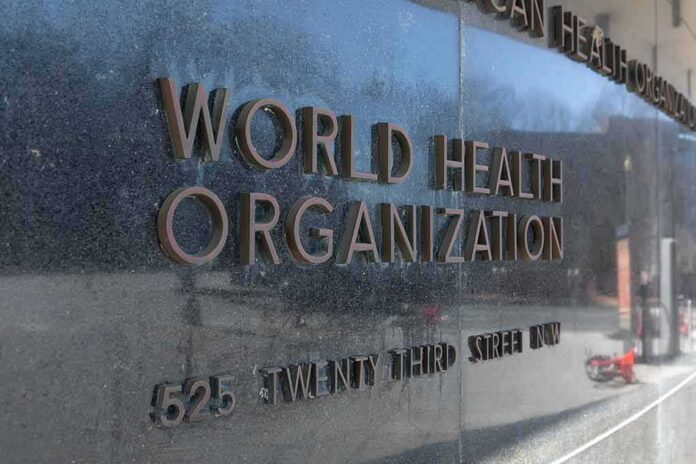
The WHO has not slowed its enthusiasm for gene editing’s promise, but it has drawn a hard line on caution. The agency says that using tools like CRISPR-Cas9 to treat disease, combined with real gaps in scientific understanding, raises ethical issues demanding strong oversight. That is a polite way of saying nobody fully knows what rewriting a person’s DNA does decades down the road.
The WHO’s governance framework spells out specific dangers: accidental insertions or deletions in the genome, damaged chromosomes, and edits that hit the wrong target entirely. These are not hypothetical worries dreamed up by skeptics. They are documented risks that regulators require drug makers to monitor for years after treatment.
History backs up that caution. Earlier gene-therapy programs produced genuine breakthroughs followed by serious setbacks, including cases of treatment-related leukemia that forced scientists to redesign their delivery methods. The lesson was never that gene editing fails. It was that promising science needs patience, rigorous testing, and honest tracking of delayed harms before anyone calls it a cure-all.
The Price Tag Problem
Even if the science holds up, cost remains a massive hurdle. Government analysts note these one-time treatments carry list prices above two million dollars and still involve real safety risks during the lengthy treatment process. A cost-effectiveness review found Casgevy’s price translated to roughly 195,000 dollars per quality-adjusted year of life gained, a figure insurers and policymakers are still wrestling with. Miracle cures mean little if families cannot access them.
The honest picture sits between two extremes. Gene editing is delivering real, measurable relief for specific diseases, not vague promises. At the same time, nobody has proven it works this well for every condition, every patient, or every decade of a person’s life. That balance of genuine hope and earned caution is exactly where responsible science, and responsible readers, should stay.
Sources:
fda.gov, who.int, sec.gov, news.vrtx.com, nejm.org, ir.intelliatx.com, nature.com