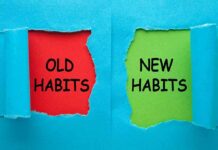
Therapy’s central promise is not bliss but relief: it aims to shrink misery, not manufacture joy.
Story Snapshot
- CBS highlighted Arthur C. Brooks’s claim that therapy reduces unhappiness rather than creates happiness.
- Brooks urged viewers to stop expecting a therapist to “fix” them or deliver joy on demand.
- Happiness and unhappiness operate on different tracks and need different tools, he said.
- About one in seven U.S. adults received counseling or therapy in 2024, according to the Centers for Disease Control and Prevention (CDC).
What CBS Reported And Why It Landed
CBS Mornings aired a segment where Arthur C. Brooks drew a bright line: therapy’s job is to reduce misery, not produce happiness. The claim hit home because many people enter therapy seeking joy. Brooks, who teaches the science of happiness at Harvard, warned against treating a therapist like an appliance repair tech who “fixes” you on schedule. That frame challenges a common hope yet gives therapy a clear, measurable aim: help people manage their unhappiness.
That message reached a large pool of potential clients. The Centers for Disease Control and Prevention reported that 14 percent of adults received counseling or therapy in 2024, which equals about one in seven adults. Many came during a time when access expanded through telehealth and workplace benefits. With more Americans in care, setting the right expectation matters. When you know the point of a tool, you stop asking it to do a job it cannot do, and you start using it better.
Reducing Pain And Building Joy Are Different Jobs
Brooks separated “less unhappy” from “more happy” and said they are not the same pursuit. Clinical care often tracks symptom relief: fewer panic attacks, better sleep, less dread before work. Those outcomes protect life and restore function. But joy grows from different seeds: close ties, purpose, faith, service, and earned success. Research on positive psychology programs shows that targeted exercises can lift well-being and also cut depressive symptoms, though effects are often modest. That supports Brooks’s split: different methods serve different ends.
Viewers may still ask if therapy can raise happiness too. Some therapies weave in meaning, gratitude, or behavior changes that support joy. That can help. But the most reliable clinical wins come from relieving distress first. A drowning person does not need a swimming lesson before air. Fix the leak before you remodel the kitchen. Once misery is down, people have the bandwidth to build the good stuff with separate, proactive habits.
What Patients Want Versus What Clinics Measure
Many patients care about more than fewer symptoms. A large review found people often prize gains in self-understanding, agency, relationships, and general well-being after therapy. That does not refute Brooks. It shows why short television lines never hold the whole field. Clinics measure what payers reimburse and what trials can track. Patients feel progress in their daily lives: can I be a better spouse, parent, neighbor, or leader? Wise care can serve both, but not with the same tools at the same time.
So what should someone do on Monday morning? Use therapy to target concrete pain points: panic, rumination, grief spirals, trauma triggers. Ask your clinician for a clear plan and yardsticks you can observe. Then build happiness outside the session with repeatable habits. Invest in warm relationships. Do real work that serves others. Pray or reflect daily. Move your body. Guard sleep. These are not thrills; they are pillars. When misery flares, return to therapy for relief. When life is calm, keep stacking the pillars.
How This Reframes The Cultural Script
American culture sells happiness like a product. That primes people to shop for joy from therapists. Brooks’s claim resets the ask and, in doing so, reduces disappointment and churn in care. It also respects personal responsibility. A therapist can teach skills, challenge lies, and steady a storm. Only you can build the relationships, gratitude, and purpose that compound into joy. That stance fits a conservative view of human flourishing: freedom paired with duty, and happiness as a byproduct of virtue and service.
Sources:
youtube.com, cbs.com, facebook.com