A simple wall-sit can drop your blood pressure almost twice as much as a jog, and most people checking their numbers at the gym have no idea why that matters.
Quick Take
- Large studies of exercise and blood pressure show real, measurable changes, but the size of the drop depends heavily on the type of workout.
- Isometric exercises like wall sits and planks produced the biggest blood pressure drops in a review of 270 randomized trials.
- Combined aerobic and resistance training ranked best for blood sugar control and fat-related markers in newer research.
- A single reading after a workout is not the same as a long-term health trend, so context always matters.
Why One Blood Pressure Reading Doesn’t Tell the Whole Story
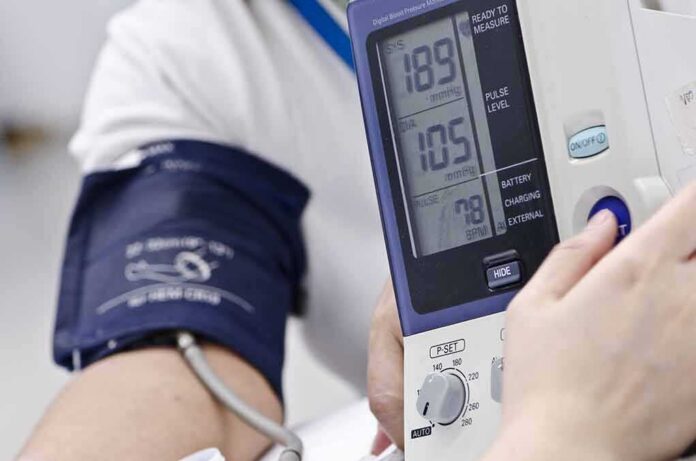
Active adults over 40 often check their blood pressure after a workout and panic, or celebrate, based on one number. That number reflects training type, hydration, sleep, caffeine, and timing, not just heart health. The American Heart Association advises skipping caffeine, alcohol, and exercise for 30 minutes before testing, because all three can shift results temporarily rather than permanently.
The Five Markers Worth Tracking
Doctors watching active adults tend to focus on five numbers: systolic and diastolic blood pressure, total cholesterol, triglycerides, and a measure called HOMA-IR, which estimates insulin resistance. Each one responds differently depending on what kind of exercise a person does. Treating them as one combined “fitness score” misses the point. The research shows each marker has its own best match.
Blood pressure gets the most attention because it shifts fastest and is easiest to measure at home. But cholesterol and triglycerides move on a slower timeline, often taking weeks of consistent training before showing change. Insulin resistance, measured by HOMA-IR, responds best to workouts that combine strength and cardio rather than either alone.
Isometric Holds Beat Cardio in the Largest Analysis Yet
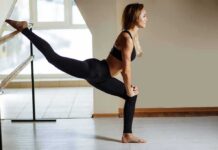
A major 2023 review covering 270 randomized trials and nearly 16,000 participants found isometric exercise, think wall sits and static holds, cut blood pressure by about 8.2 over 4.0 points. Aerobic training managed roughly 4.5 over 2.5 points by comparison. Dynamic resistance training and high-intensity interval training landed in similar ranges to aerobic work, while combined training performed slightly better than either alone.
Other analyses confirm the pattern. A 2026 dose-response review found isometric resistance training lowered systolic pressure by close to 7.5 points in people already diagnosed with hypertension. That is a meaningful shift, roughly the gap seen with some blood pressure medications, achieved through a two-minute wall sit done several times a week.
Combined Training Wins for Blood Sugar and Fat Markers
Blood pressure is not the only marker that depends on workout choice. A study on adults with metabolic syndrome found that moderate-intensity continuous cardio paired with resistance training ranked highest for reducing both systolic and diastolic pressure and for improving HOMA-IR scores. That combination also helped lower an overall metabolic risk score tracked by researchers.
Fat percentage and cholesterol respond to yet another pattern. High-volume interval training cut body fat percentage most effectively, while lower-volume interval sessions produced the best results for total cholesterol, triglycerides, and diastolic pressure. Traditional low-impact exercise styles ranked well too, showing there is no single “best” workout for every marker at once.
What This Means for Readers Over 40
None of this means a high reading after a hard workout should be ignored or explained away. It means context matters before drawing conclusions. A number taken right after training, during a stressful week, or after a bad night’s sleep tells a different story than a trend tracked over months using a properly fitted home monitor.
🏃♂️ What’s the best exercise for metabolic syndrome?
The answer may be more complicated than you think!
A new systematic review and network meta-analysis in iScience compared 10 exercise approaches across 53 studies involving 2,948 participants.
🔹 Aerobic + strength training:… pic.twitter.com/fOeiIOq5U8
— Chayakrit Krittanawong, MD, FACC, FAHA, FSCAI (@KrittanawongMD) October 8, 2026
The practical takeaway favors common sense over fear. Active adults who mix isometric holds, steady cardio, and resistance training are covering their bases across blood pressure, cholesterol, triglycerides, and insulin resistance. The data backs variety over chasing one “miracle” exercise, and it rewards consistency over any single dramatic reading.
Sources:
pubmed.ncbi.nlm.nih.gov, jamanetwork.com, link.springer.com, pmc.ncbi.nlm.nih.gov, bjsm.bmj.com