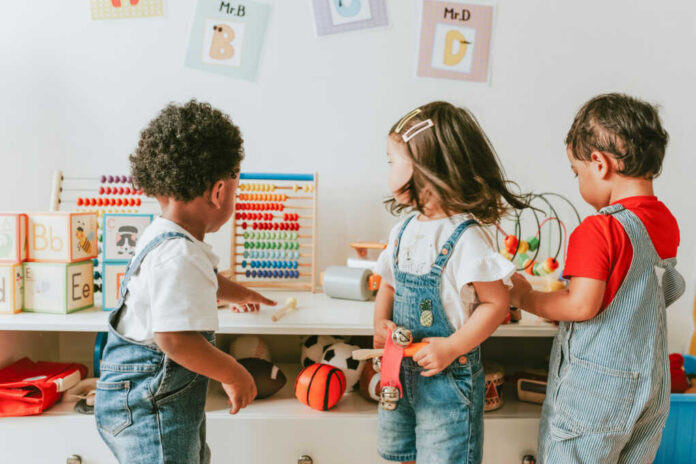
Play, the simplest childhood activity, heals deep trauma wounds more effectively than complex therapies in many cases.
Story Snapshot
- Play therapy like PCIT reduces trauma symptoms through toys and stories without heavy protocols.
- Breathing exercises calm the nervous system, enabling safe memory processing for inner child healing.
- Evidence-based tools empower parents and educators in homes and schools for immediate access.
- Gaps remain for infants under 2, but ages 2-6 show strong results from simple interventions.
Play Therapy Origins and PCIT Development
Sheila Eyberg developed Parent-Child Interaction Therapy (PCIT) in the late 20th century, rooting it in play to address behavior issues. Researchers like Timmer extended PCIT to trauma in 2005 and 2010 studies, showing reductions in PTSD symptoms for children aged 2-7. PCIT coaches parents during live play sessions using toys and stories. Children express abuse metaphors safely, such as unicorns fighting snakes, without direct verbal confrontation. California Evidence-Based Clearinghouse rates PCIT highest for efficacy.
Breathing and Inner Child Practices Gain Traction
Robert Jackman promotes inner child meditation with breathwork to nurture self-compassion from positive psychology roots. Children practice slow breathing to regulate emotions before processing memories. PositivePsychology.com endorses this alongside journaling for adults reflecting on childhood. Trauma Research Foundation calls play the natural path for learning and healing. These tools contrast protocol-heavy TF-CBT by leveraging innate child behaviors in everyday settings like homes or schools.
Stakeholders Drive Accessible Toolkits
National Child Traumatic Stress Network (NCTSN) distributes free educator toolkits emphasizing relationships and play for resilience. Centre for Addiction and Mental Health (CAMH) expands childhood trauma resources for clinicians. Researchers Timmer and Pearl validate play’s role in symptom drops without adaptations. Caregivers lead sessions, shifting family dynamics through enhanced parenting skills. Funding from NIH supports peer-reviewed studies confirming these approaches.
Recent Meta-Analyses Confirm Common Elements
2022 meta-analysis of 61 articles identifies 10 shared elements across therapies, including relaxation, storytelling, and psychoeducation. PCIT and TF-CBT excel for ages 2-6; EMDR shows promise but lacks youth RCTs. Music and story play cut aggression and crying in foster care trials. Ongoing toolkit expansions address abuse and neglect origins. Gaps persist for under-2s due to sparse data, urging caution there.
Impacts Reshape Trauma Recovery
Short-term, children experience fewer externalizing behaviors like aggression via play sessions. Long-term, inner child work fosters resilience and strong relationships. Cost savings arise from toys over intensive clinics, empowering low-resource communities. Industry shifts to flexible common elements boost clinician training.
Sources:
PMC article on PCIT for trauma
Johns Hopkins on relationships for child trauma
NCTSN Child Trauma Toolkit for Educators
PositivePsychology on inner child healing
Trauma Research Foundation on play
Research on effective trauma treatment for young children
PMC on common elements in trauma therapies