A simple daily dose of prebiotic fiber from guar beans transformed dry winter skin in just six weeks, challenging everything we know about skincare from the inside out.
Story Snapshot
- Tokyo trial: 5g PHGG daily boosted skin hydration 4-8% and cut water loss 12-17% by week 6 in 70 adults.
- Gold-standard study during harsh winter showed gut-skin axis at work via microbiome and short-chain fatty acids.
- No bloating or side effects; superior tolerability positions PHGG as practical winter skin savior.
- Extends to week 12 elasticity gains, aligning with low U.S. fiber diets and holistic wellness trends.
- Targets mid-40s women, proving internal fixes beat endless topical creams.
Tokyo Winter Trial Delivers Rapid Skin Gains
Researchers in Tokyo ran a 12-week randomized, double-blind, placebo-controlled trial from January to April 2026. Seventy healthy adults, mostly mid-40s women, took 5 grams of partially hydrolyzed guar gum (PHGG) daily. By week 6, cheek, upper arm, and upper back skin hydration rose 4-8%. Trans-epidermal water loss dropped 12-17%, strengthening the skin barrier against dry winter air. Viscoelasticity improved early, signaling firmer skin ahead.
PHGG Mechanisms Target Gut-Skin Connection
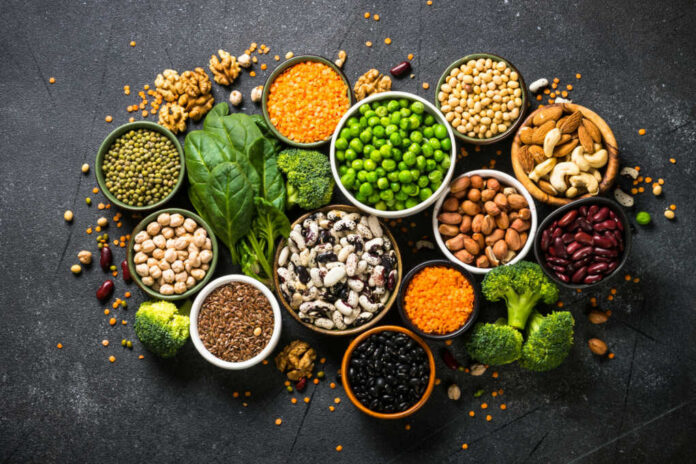
PHGG, derived from India-Pakistan guar beans, breaks down into galactomannans that feed gut bacteria. This produces short-chain fatty acids (SCFAs), enhancing nutrient absorption and collagen synthesis. The fiber binds water directly, locking moisture into skin layers. Unlike rough fibers, PHGG avoids gas and bloating, making daily 5-gram doses tolerable. Study participants reported high satisfaction with no adverse events.
Study Design Ensures Rigorous Results
The trial controlled for Tokyo’s low-humidity winter, using objective tools to measure stratum corneum hydration and TEWL. Baseline checks preceded intervention. Placebo group showed no changes, confirming PHGG’s specific effects. By week 12, skin elasticity, firmness, and flexibility surged further. This design—randomized, blinded, n=70—sets a high bar, minimizing bias in gut-skin research.
Historical Rise of Prebiotic Skin Science
Guar beans yield soluble fiber; hydrolysis makes PHGG prebiotic without digestive upset. Since the 1990s, PHGG aided GI issues, cholesterol, and appetite. Post-2010s gut-skin axis studies built momentum. Earlier reviews linked prebiotics to anti-aging and dermatology via microbiome tweaks. This 2026 trial extends precedents, addressing U.S. adults’ chronic fiber shortfall under 20g daily versus recommended 25-38g.
Stakeholders Drive Wellness Shift
Tokyo researchers published in a peer-reviewed journal (PMID: 39896159). Registered dietitian Molly Knudsen covered findings for mindbodygreen on February 20, 2026. NewsTarget followed March 2, pushing internal solutions over $100B topical industry. Supplement makers like organic fiber+ integrate PHGG with kiwi and mushrooms. FDA oversees claims; no trial conflicts emerged. Media amplifies academia to consumers seeking holistic fixes.
Impacts Reshape Skincare Paradigms
Short-term, PHGG offers quick winter hydration for dry-skin sufferers and low-fiber crowds. Long-term, it promotes anti-aging via collagen and gut health, reducing bloating reliance. Mid-40s women gain most from age-related dryness relief. Economically, prebiotics surge against cream dominance. Socially, it validates internal wellness over gimmicks—facts align with values prizing practical, evidence-based self-reliance.
Sources:
This Prebiotic Fiber Improves Skin Moisture In 6 Weeks, Study Shows
PubMed Abstract (PMID: 39896159)
NewsTarget: Study on Dietary Fiber for Winter Skin
Nutrition Reviews: Prebiotics and Skin Health