The search for a single miracle exercise to reverse years of slouching misses the fundamental truth about how your spine actually responds to damage and rehabilitation.
Story Snapshot
- Cobra Pose is described as arguably the best single exercise because it reverses typical sitting posture
- Bridges, planks, and rows emerge as the most frequently recommended strengthening movements
- Consistency with any chosen exercise trumps finding the “perfect” movement
- Combined stretching and strengthening approaches outperform isolated exercises
The Myth of the Magic Bullet Exercise
Health and fitness experts refuse to crown a single exercise as the ultimate posture fix, and for good reason. Your body accumulated years of postural damage through countless hours of sitting, hunching, and compensating for muscle imbalances. The notion that one movement pattern can unravel this complex web of dysfunction ignores basic biomechanics. Multiple exercises target different aspects of postural collapse, from weakened glutes that fail to stabilize your pelvis to overstretched upper back muscles that allow your shoulders to roll forward relentlessly.
Cobra Pose Takes Center Stage
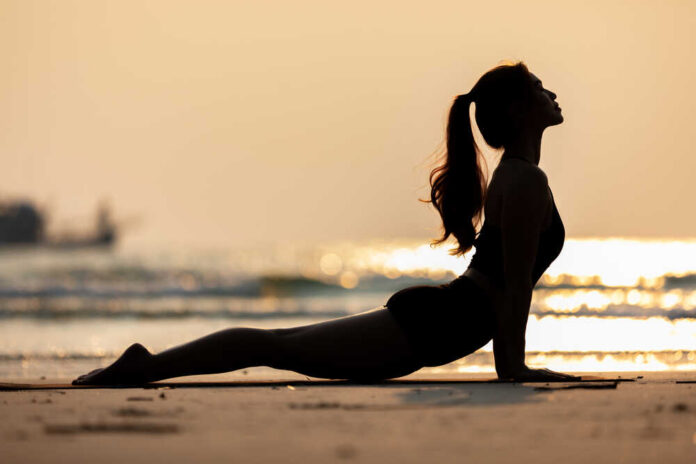
Among the various contenders, Cobra Pose stands out with a compelling claim as arguably the single best posture exercise. This movement directly reverses the typical sitting position that creates slouching in the first place. When you spend eight to twelve hours daily curved forward over a desk or steering wheel, your spine adapts to this flexed position. Cobra Pose forces extension through your thoracic spine, countering the forward curve while simultaneously strengthening the erector spinae muscles along your back. The exercise activates weakened posterior chain muscles while stretching tight chest and anterior shoulder tissues.
The Core Trinity of Posture Correction
Three exercises dominate professional recommendations across physical therapy and strength training sources. Bridges or glute bridges address the epidemic of weak gluteal muscles and tight hip flexors plaguing desk workers. Your glutes anchor your pelvis, and when they fail, your lower back compensates with an excessive curve. Planks build the core stability your spine desperately needs to maintain proper alignment under load. Seated cable rows strengthen the mid-back muscles responsible for retracting your shoulder blades and preventing the forward shoulder roll that screams poor posture from across any room.
Watch:
Superman Flies Under the Radar
The Superman exercise receives less attention than it deserves despite directly targeting the postural muscles along your spine. Lying face down and simultaneously lifting your arms and legs engages the entire posterior chain from neck to ankles. This movement pattern strengthens the exact muscles that combat slouching while requiring zero equipment. The exercise proves especially valuable because it trains your body to maintain spinal extension against gravity, mimicking the challenge of standing upright with proper posture throughout your day.
The Consistency Factor Overrides Exercise Selection
Experts emphasize an uncomfortable truth that most people ignore: the best posture exercise is whichever one you will actually perform consistently. You can identify the biomechanically optimal movement pattern, but if you hate it enough to skip workouts, it delivers zero benefit. A less perfect exercise performed three times weekly for six months produces dramatically better results than the ideal exercise you abandon after two weeks. This principle aligns with conservative common sense about discipline and follow-through mattering more than endless optimization and research paralysis.
Combined Approaches Win the Long Game
Single exercises face inherent limitations because postural dysfunction involves multiple muscle groups working in dysfunctional patterns together. Comprehensive programs combining stretching for tight anterior muscles with strengthening for weak posterior muscles address the full scope of the problem. Your chest muscles need lengthening while your upper back needs strengthening. Your hip flexors need stretching while your glutes need activation. Attacking only one side of these imbalances leaves the underlying dysfunction partially intact, setting you up for incomplete recovery and eventual regression to slouching.
The Reality Check on Quick Fixes
Years of slouching created layers of adaptive changes throughout your musculoskeletal system, from shortened fascia to altered motor patterns in your nervous system. Reversing this damage requires sustained effort over months, not days. The body responds to consistent mechanical stress by remodeling tissues and reprogramming movement patterns, but this biological process operates on its own timeline. Anyone promising rapid transformation from a single exercise either misunderstands human physiology or prioritizes marketing over truth. Your spine will improve with dedicated work, but patience and consistency determine success more than exercise selection alone.
Sources:
Stop Slouching! Stand Up Straight! 3 Exercises for Better Posture – Baudry Therapy
Exercises for Better Posture – Outside Online
Posture Exercises – Peloton
Posture Exercises – Healthline
12 Exercises to Improve Posture and Relieve Lower Back Pain – IINN
Improve Posture – HSS
Okotoks Physiotherapy Posture Exercises – Momentum Physical Therapy