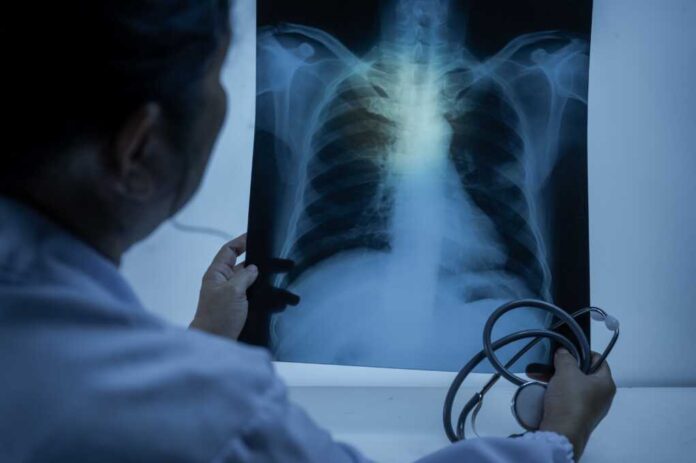
A shocking healthcare failure has left 62,000 American lives on the table, as only one in five eligible adults received life-saving lung cancer screening.
Story Snapshot
- Only 18.7% of 12.76 million eligible Americans received lung cancer screening in 2024
- 100% screening uptake could prevent 62,110 deaths and gain 872,270 life-years over five years
- Current system achieves just one-quarter of potential benefits due to implementation failures
- Uninsured individuals face devastating 3% screening rate compared to national average
Healthcare System Abandons High-Risk Americans
The American Cancer Society released devastating new data revealing a catastrophic failure in preventive healthcare implementation. Despite lung cancer remaining the leading cause of cancer death in America with 125,000 expected deaths in 2025, the medical establishment has failed to deliver proven screening to those who need it most. The 2024 National Health Interview Survey data shows that among 12.76 million adults meeting federal screening criteria, fewer than 2.4 million received potentially life-saving low-dose CT scans.
This represents a staggering indictment of healthcare priorities under previous leadership. While billions were spent on bloated bureaucratic programs, a simple screening test that reduces lung cancer mortality by 20% remained virtually inaccessible to working Americans. The study, published in the Journal of the American Medical Association, quantifies exactly what this negligence costs: three-quarters of preventable deaths continue occurring because the system prioritizes complex treatments over basic prevention.
Watch;
Insurance Barriers Create Two-Tiered Healthcare System
The data exposes a disturbing healthcare divide that should outrage every American family. While the Affordable Care Act supposedly mandated coverage for preventive services, uninsured Americans face a devastating 3% screening rate. This creates an unconscionable situation where your ability to catch cancer early depends entirely on your insurance status, not your medical need or risk level.
Dr. Priti Bandi, who led the American Cancer Society research, called the low uptake “disappointing” while modeling shows current practice achieves only 14,970 prevented deaths versus the potential 62,110. The American Cancer Society Cancer Action Network emphasizes removing patient costs for both screening and follow-up tests, but implementation remains inconsistent across states and insurance plans, leaving vulnerable populations behind.
Meet My Healthy Doc – instant answers, anytime, anywhere.
Government Guidelines Fall Short of Medical Evidence
A critical policy gap undermines American lives as federal screening guidelines lag behind medical evidence. The U.S. Preventive Services Task Force restricts eligibility to recent smokers, while the American Cancer Society expanded recommendations in 2023 to include all former smokers aged 50-80, recognizing that cancer risk remains elevated decades after quitting. This bureaucratic inflexibility excludes 28.08 million Americans who could benefit from screening.
The research demonstrates that expanding eligibility to all ever-smokers in the 50-80 age range could prevent an additional 29,690 deaths and gain 482,410 life-years over five years. At least 30% of this benefit would help Americans who quit smoking more than 15 years ago but still face elevated cancer risk. Federal agencies must prioritize American lives over administrative convenience and update guidelines to match medical reality.
Early Detection Transforms Survival and Family Outcomes
The human cost of this screening failure cannot be overstated for American families. Lung cancer five-year survival has improved from 17% to approximately 30% over the past decade, largely due to earlier detection and better treatments. When caught early through screening, cancers are more often detected at stage I or II, making them candidates for curative surgery rather than expensive, prolonged treatments with poor outcomes.
Low screening rates force families into devastating late-stage diagnoses that strain both medical resources and family finances. The concentration of advanced cases increases hospitalization, intensive care use, and expensive therapies while reducing chances of survival. This represents a massive opportunity cost where resources devoted to late-stage treatment could instead support earlier, more effective interventions that preserve families and reduce healthcare expenditure.
Your instant doctor companion – online 24 hours a day.
Sources:
Latest ACS Lung Cancer Data: Only 1 in 5 Eligible Adults in U.S. Screened for Lung Cancer
American Lung Association State of Lung Cancer 2025 Report
National Lung Cancer Roundtable Data and Progress
Cancer Prevention & Early Detection Facts & Figures 2025-2026