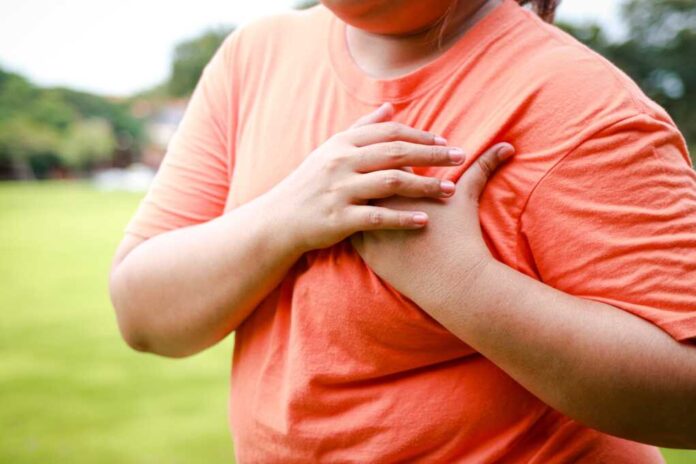
One heart attack strikes every 40 seconds in America, but the real battle for survival begins when the ambulance doors close.
Story Snapshot
- 805,000 Americans suffer heart attacks yearly, turning ordinary lives into marathons of recovery.
- Recovery demands lifestyle overhauls, from diet to daily meds, often for life.
- Emotional toll hits hard: fear, depression, and isolation shadow physical healing.
- Success stories like Harmony R. Prove disciplined changes yield second chances.
- Prevention mindset** shifts post-event, emphasizing personal responsibility over quick fixes.
Heart Attacks Strike Without Warning
Chest pain grips suddenly, often at work or home. Paramedics rush 805,000 Americans to ERs yearly. Blockages in coronary arteries starve the heart of oxygen. Doctors deploy stents or clot-busters within the golden hour. Survival rates climb above 90% with prompt care. Yet statistics mask the grueling path ahead. Patients like Harmony R. emerge alive but forever altered. Their stories reveal recovery’s true demands.
Hospital Discharge Launches the Real Fight
Doctors send survivors home within days, armed with pill bottles and warnings. Cardiac rehab starts immediately, three sessions weekly for months. Patients pedal stationary bikes, lift light weights, and monitor heart rates. Harmony R. describes sweating through monitored workouts, building stamina lost in a flash. Dietitians mandate Mediterranean meals: fish, nuts, olive oil replace burgers and fries. Compliance separates thrivers from repeat victims.
Medications anchor daily routines. Statins lower cholesterol, beta-blockers steady rhythms, aspirin thins blood. Side effects like fatigue test resolve. Harmony R. adjusted doses with her cardiologist, avoiding complacency. American conservative values stress self-reliance here—own your health, don’t wait for government handouts or miracle drugs.
Physical Recovery Demands Discipline
Weeks turn to months. Walking short distances exhausts at first. Strength returns gradually through rehab. Harmony R. progressed from treadmill slogs to hiking trails by month six. Doctors track ejection fraction via echocardiograms, aiming for 50% or better. Smoking cessation becomes non-negotiable; quitters halve reinfarction risk. Weight loss targets 10% body mass, slashing future odds by 20-30%.
Exercise evolves into a lifelong habit. Aim for 150 minutes of moderate activity weekly. Strength training twice weekly preserves muscle. Harmony R. joined a gym group, turning isolation into camaraderie. Facts align with common sense: consistent effort beats excuses. Bodies heal, but only under rigorous care.
Watch:
Got a health question? Ask our AI doctor instantly, it’s free.
Emotional Shadows Linger Longest
Anxiety spikes at every twinge. Depression afflicts half of survivors, per studies. Harmony R. faced panic attacks, fearing the next event. Therapy and support groups helped. Spouses bear unseen loads, managing worry alongside caregiving. Faith communities provide solace, reinforcing resilience rooted in personal accountability.
One year post-attack, 20% resume full work. Harmony R. returned part-time, pacing herself. Mental health pros recommend mindfulness apps and journaling. Ignoring this risks noncompliance, dooming physical gains. Conservative wisdom prevails: face fears head-on, lean on family, reject victimhood. Smart health starts here, try My Healthy Doc today.
Long-Term Strategies Secure Second Chances
Annual checkups monitor progress. Blood pressure stays under 130/80. LDL cholesterol drops below 70. Harmony R. tracks metrics via apps, adjusting as needed. Family meals transform, prioritizing veggies over processed foods. Community walks foster bonds and accountability.
Statistics show disciplined survivors cut mortality 50% over five years. Harmony R. now advocates, sharing her blueprint. Common sense dictates prevention post-crisis: choose discipline daily. Heart attacks expose vulnerabilities, but recovery forges unbreakable resolve. Lives extend through deliberate choices.
Start your health journey in under a minute.
Sources:
Life After a Heart Attack: What Recovery Really Looks Like – WebMD