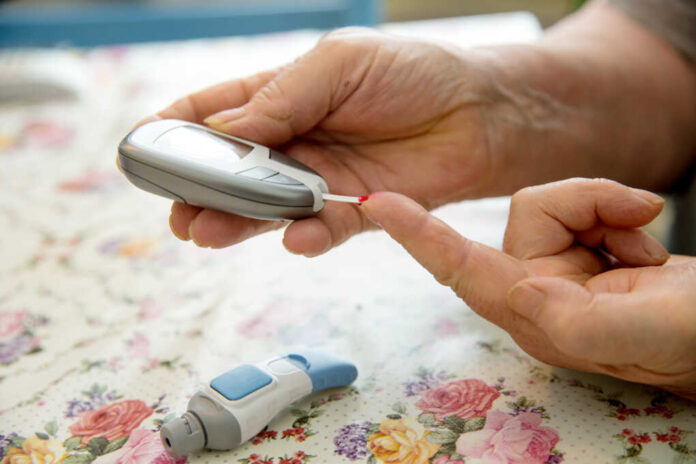
A 56-year-old man’s blood work returned to normal after six months of lifestyle changes, proving that type 2 diabetes isn’t necessarily a life sentence of medication and decline.
Quick Take
- Type 2 diabetes remission is clinically achievable through sustained lifestyle intervention, with normalized blood glucose levels possible within six months
- Weight loss correlates directly with glucose normalization, with median HbA1c reductions of 10 mmol/mol occurring alongside 6.4 kg weight loss
- Complete remission requires abandoning the traditional disease-management paradigm in favor of aggressive early intervention targeting metabolic syndrome
- Success rates remain modest in clinical trials, suggesting individual variation and the importance of personalized intervention approaches
The Paradigm That Needed Shifting
For decades, physicians delivered the same grim prognosis to newly diagnosed type 2 diabetics: manage your disease, take your medications, and accept lifelong pharmaceutical dependency. The condition was positioned as progressive, irreversible, and best handled through pharmaceutical intervention. This narrative persisted despite mounting evidence suggesting an alternative pathway existed—one where the disease could actually be reversed through deliberate behavioral change.
Man, 56, Is Diagnosed with Type 2 Diabetes. 6 Months Later, His Blood Work Comes Back 'Normal' After Picking Up 1 Habit (Exclusive) https://t.co/53VLrpjbut
— People (@people) November 30, 2025
Why Six Months Matters More Than You Think
The timeline in this man’s case isn’t arbitrary. Clinical research demonstrates that meaningful metabolic change occurs within this window when intervention is sufficiently intensive. Peer-reviewed pilot trials show that weight loss correlates precisely with glucose normalization, with median glycosylated hemoglobin reductions of negative 10 mmol/mol occurring alongside weight loss of negative 6.4 kilograms. Six months provides sufficient duration for sustained behavioral change to produce measurable metabolic recovery without requiring permanent pharmaceutical management. Got a health question? Ask our AI doctor instantly, it’s free.
Watch:
The Fat Overload Theory That Explains Everything
Type 2 diabetes related to metabolic syndrome operates through a specific pathophysiological mechanism: fat overload. When excess adipose tissue accumulates, particularly visceral fat, it disrupts insulin sensitivity and glucose metabolism. Weight loss functions as a curative intervention for this specific subtype of diabetes, distinguishing it from other forms that may have different etiological factors. This explains why the intervention works and why it produces genuine remission rather than merely improved control.
Why Clinical Success Rates Tell a Harder Truth
The research supporting diabetes remission includes important caveats that complicate the narrative. Pilot trials demonstrate that complete remission remains challenging despite intensive counseling and support. In one controlled study of ten participants, only one achieved complete remission, three achieved partial remission, and all seven completing the intervention showed improved glucose control. These numbers reveal that while remission is possible, it remains exceptional rather than typical.
The Infrastructure Gap That Remains
Clinical evidence supporting remission exists, but healthcare systems haven’t reorganized around it. Routine clinical care lacks the intensive lifestyle intervention protocols demonstrated effective in research settings. Continuous glucose monitoring technology enables precise measurement of real-life glucose profiles, yet most patients never access it. The infrastructure for delivering the level of behavioral support required for remission success remains underdeveloped in standard medical practice.
What This Means for Your Health Decisions
The evidence supporting diabetes remission carries clear implications for how newly diagnosed patients should approach their condition. Rather than accepting pharmaceutical management as inevitable, patients should pursue aggressive early intervention targeting weight loss and metabolic recovery. The six-month timeline suggests that meaningful change occurs relatively quickly when intervention is sufficiently intensive. Don’t wait – see a doctor now through My Healthy Doc. Success requires sustained behavioral commitment, but the alternative—lifelong medication and progressive complications—provides powerful motivation for attempting remission-focused intervention first.
Sources:
Complete Remission of Type 2 Diabetes Mellitus by Lifestyle Intervention – NIH/PMC
Case Study: Type 2 Diabetes Remission Through Dietary and Exercise Intervention – NIH/PMC
Glucose Management and Metabolic Outcomes – JAMA Internal Medicine
Clinical Case Reports: Diabetes Remission Outcomes – Wiley Online Library