Four foods most Americans eat every week could be sabotaging your social life—by making you smell bad—and the “experts” finally admit it’s not just about hygiene or age.
At a Glance
- Certain foods, especially those rich in sulfur or protein, are directly linked to stronger and sometimes unpleasant body odor.
- The “Ozempic smell” and “old people smell” trends on social media are fueling anxiety about diet and scent, despite limited scientific evidence for medication-induced odor changes.
- Medical experts confirm that genetics, diet, and skin bacteria all play a role in how we smell, but the food you eat is one factor you can actually control.
- Dietitians recommend moderation, not panic, and suggest simple swaps to prevent being the person everyone avoids in the elevator.
Four Foods That Make You Stink—And Why No One Tells You
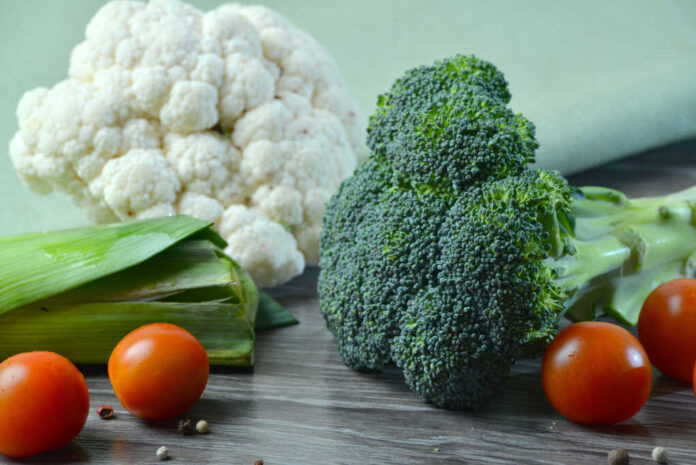
Americans are bombarded with health advice daily—drink this juice, try that diet, buy the latest miracle supplement. But the one thing no one’s warning you about? That kale salad or “healthy” spicy curry could be the reason your coworkers give you side-eye in the break room. Research now confirms that what you eat changes how you smell, sometimes for the worse. Sulfur-rich vegetables like broccoli and cabbage, red meat, pungent spices, and even fish can turn your sweat into a chemical weapon. It’s not just folklore—biochemists and nutritionists agree these foods create volatile compounds that escape through your skin and breath. So, while you’re following the latest food trends or “plant-based” fads, you might be trading heart health for social isolation. If you’ve noticed new smells lately, you’re not alone—and you’re not imagining it.
Social media is amplifying the anxiety, too. The so-called “Ozempic smell” is trending, with people blaming prescription drugs for their new, unfamiliar scent. But while the internet loves a new medical crisis, the real culprits are often on your dinner plate. Experts point out that while some medications and age-related shifts can change body odor, everyday foods play a far bigger role for most people. The science is straightforward: your body metabolizes certain ingredients into compounds like sulfuric acid and trimethylamine, which then escape through sweat and breath. The result? You might smell like a stir-fry, a steakhouse, or an offshore fishing boat, depending on your menu choices.
The Science Behind “Old People Smell” and the Latest Odor Panic
Everyone jokes about “old people smell,” but there’s a real medical explanation. As people age, their skin chemistry shifts, producing a compound called nonenal. But the story doesn’t end there. Diet, not just decades on the planet, is a huge driver of how you smell. Foods high in sulfur—think broccoli, Brussels sprouts, onions, and garlic—produce volatile chemicals that are excreted through your sweat glands. Red meat makes things worse by interacting with skin bacteria, intensifying your natural odor. And if you’re a fan of spicy foods, like curry or cumin, those aromas can linger long after the meal is over. For a small number of people, eating certain fish or beans can cause a rare but notorious “fish odor syndrome,” thanks to a genetic inability to break down trimethylamine. It’s not about hygiene or showering more—it’s about the biochemistry of what you eat.
Medical experts and nutritionists are now urging a dose of common sense. While diet can make a big difference, genetics and your unique skin bacteria matter, too. Not everyone who eats a garlic-heavy meal will smell like an Italian festival the next day. Still, if you notice changes in your scent, it’s wise to look at your plate before blaming your genes or your age. Moderation, not restriction, is the key. And if you’re worried about “Ozempic smell,” remember that the evidence linking diabetes drugs to odor is mostly anecdotal. The food you eat is usually the bigger factor.
How to Eat Like a Human and Not Smell Like a Biohazard
The advice from dietitians is refreshingly practical: don’t panic, just adjust. If you’re worried your lunch is making you a social outcast, cut back on the biggest offenders—sulfur-rich veggies, red meat, and pungent spices. Swap in more water, fruits, and non-cruciferous vegetables. And don’t fall for the supplement hype; there’s no magic pill to erase the effects of eating an entire head of garlic. Personal hygiene still matters, but diet is the part you control. The new research also reminds us that body odor is personal—what knocks out one person’s friends may go unnoticed by another. The key is awareness, not paranoia. Ignore the social media panic, skip the expensive “detox” cleanses, and remember: a little moderation goes a long way. If only the government could learn that lesson about spending—and about not subsidizing every so-called “healthy” food trend that keeps making us stinkier and more self-conscious every year.
If you’re tired of the endless parade of fads and finger-pointing, take heart. The science is clear, and the solution is simple. Smell better by eating smarter. And if you do catch a whiff of something odd in the office, maybe lay off the broccoli for a day or two. Your coworkers will thank you.