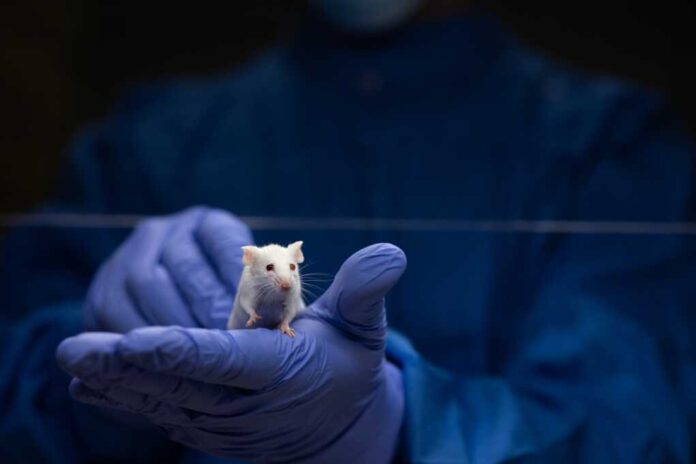
Scientists just discovered a drug combination that extended the lives of elderly male mice by an extraordinary 70%.
Story Highlights
- Simple two-drug combination increased lifespan in old male mice by 70%
- Treatment used oxytocin (love hormone) paired with Alk5 inhibitor
- Female mice showed dramatically different response with only temporary benefits
- Results suggest aging biology operates fundamentally differently between sexes
The Unexpected Power of Two Simple Compounds
Researchers combined oxytocin, commonly known as the “love hormone,” with an Alk5 inhibitor to create what may be one of the most significant anti-aging breakthroughs in recent memory. The treatment didn’t just marginally improve the health of extremely old male mice—it fundamentally transformed their biology. These weren’t young subjects receiving preventive care; these were geriatric animals whose bodies had already succumbed to the ravages of time.
The 70% lifespan extension represents more than statistical improvement. These elderly male mice regained strength, vitality, and biological function that had been lost to advanced age. The combination therapy essentially turned back the clock on cellular decline, suggesting that aging might be more reversible than previously imagined. This challenges the conventional wisdom that views aging as an inevitable, one-way biological process.
Scientists boost lifespan by 70% in elderly male mice using simple drug combo https://t.co/rVST6WuXNr
— Lee J. Keller (@leejkeller) December 4, 2025
Why Males and Females Age on Different Biological Tracks
The most startling discovery wasn’t the treatment’s effectiveness—it was how dramatically different the results were between male and female subjects. While elderly male mice experienced remarkable rejuvenation and extended lifespans, female mice showed only brief, temporary improvements before returning to their previous biological state. This stark contrast reveals that male and female aging operates through entirely different biological mechanisms.
This sex-specific response suggests that hormonal pathways, cellular repair systems, and aging processes diverge significantly between males and females at the molecular level. The oxytocin-Alk5 inhibitor combination appears to target aging pathways that are predominantly active in male biology. These results demonstrate why gender-specific approaches to anti-aging may be essential.
What This Means for Human Longevity Research
The implications for human aging research are profound, though translation from mice to humans remains complex. Oxytocin already exists as an approved medication for various medical applications, and Alk5 inhibitors are being studied for multiple therapeutic uses. This means the pathway to human trials could potentially be faster than treatments requiring entirely new drug development.
Watch:
However, the sex-specific nature of the results raises important questions about how future human studies should be designed and conducted. If similar biological differences exist in human aging, it could revolutionize how we approach longevity treatments for men and women. The research suggests that effective anti-aging interventions may need to be tailored specifically for male or female biology rather than using one-size-fits-all approaches. Receive tailored anti-aging advice – from anywhere.
The Broader Impact on Aging Science
This breakthrough challenges fundamental assumptions about aging research and drug development. The fact that a relatively simple two-drug combination produced such dramatic results in elderly subjects suggests that effective anti-aging treatments might not require complex, expensive interventions. Instead, strategic combinations of existing compounds could unlock significant life extension benefits.
The research also highlights how much we still don’t understand about the biological differences between male and female aging processes. If such dramatic sex-specific responses exist in basic aging mechanisms, it raises questions about how many other potential treatments might work differently for men and women.
Sources:
https://scitechdaily.com/scientists-extend-lifespan-by-over-70-in-elderly-male-mice-with-new-treatment/
https://www.sciencedaily.com/releases/2025/12/251202052226.htm#:~:text=Summary%3A,sex%20difference%20in%20aging%20biology.