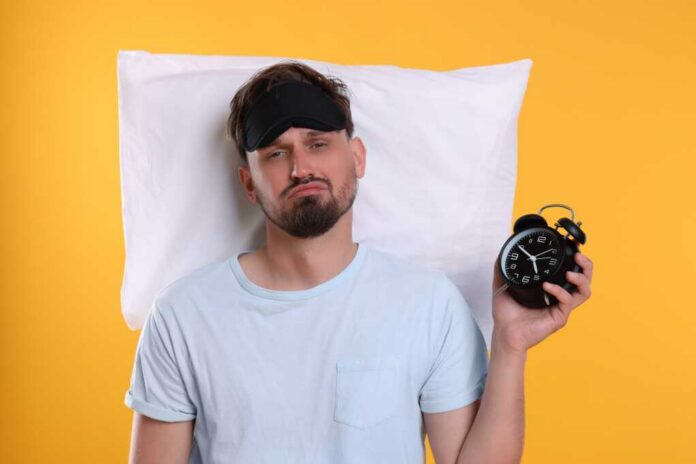
Your 2 a.m. wakeups are not random bad luck; they are your body’s timing system throwing up a flare.
Story Snapshot
- Nighttime awakenings often start with a mismatch between your internal clock and your sleep schedule.
- Blaming “bad sleep hygiene” alone misses deeper rhythm and health issues that keep you wired and awake.
- Your organs and hormones follow a 24-hour plan; when you live off-plan, your sleep breaks apart.
- You can retrain your clock with light, timing, and habits that work with your biology, not against it.
Why You Keep Snapping Awake In The Dark
Most adults who wake at night blame stress, age, or one too many bathroom trips. That feels true, but it skips the engine underneath: your circadian rhythm, the built-in clock that tells every cell when to be on and when to power down. When sleep happens at the “wrong” internal time, the brain treats parts of the night as daytime. That mismatch makes lighter, jumpier sleep that breaks with the smallest nudge from noise, hormones, or worry.
Researchers who study circadian misalignment describe a clear pattern: when your sleep-wake cycle is out of sync with your biological night, you get more insomnia and more daytime sleepiness. One major review notes that misalignment of the sleep-wake cycle leads quickly to disturbed sleep and feeling tired the next day. [1] That is not about willpower or perfect bedtime routines. It is about asking your brain to sleep when its clock thinks it should be hunting, driving, or managing bills.
Why “Bad Sleep Hygiene” Is Only Half The Story
Doctors have a long list of things that wake people up: bathroom trips, thirst, pain, kids, hot flashes, reflux, noise, alcohol, and more. One clinic study found people often point to bladder needs, thirst, and household disturbances as the trigger for awakenings. [2] Those triggers are real. But they do not act in a vacuum. The same sound or urge to pee will not wake you as easily if your brain is deep in well-timed, stable sleep. Weak sleep from misaligned rhythms makes every small bump in the night feel like an alarm.
Large sleep guides still push “sleep hygiene” as the fix: steady bedtimes, less caffeine, dark cool rooms, and no screens in bed. Respect your body, do not drown it in stimulants, and treat the bedroom as a place for sleep and marriage, not entertainment. [6] But people who follow every rule often still wake up at 2 or 3 a.m. The missing piece is when, not just how, they sleep. If your schedule fights your built-in clock, hygiene becomes damage control instead of a cure.
Your 24-Hour Body Clock And Nighttime Awakening
Your circadian system runs a 24-hour program: core body temperature, hormone release, digestion, and alertness all rise and fall in a set pattern. When this internal clock falls out of sync with the light and dark outside, specialists call it a circadian rhythm disorder. [5] These disorders often show up as trouble falling asleep, waking too early, or waking at odd times in the night. In plain terms, the brain has not agreed that this block of hours is “real night,” so it never locks into full, deep sleep.
Think about common modern habits. You sit under dim indoor light all morning, then stare at bright screens late at night. You eat heavy dinners at nine, scroll news in bed, then set a 6 a.m. alarm. Your brain’s clock uses light, food timing, and activity as clues about local time. When those clues scream “day” at midnight and “dawn” at 10 p.m., the clock shifts. That shift means your personal night might run from 3 a.m. to 11 a.m.—yet you are trying to sleep from 10 p.m. to 6 a.m. No wonder you bolt awake in the “wrong half” of that window.
Real Medical Issues Still Matter, But Timing Amplifies Them
Certain awakenings are hard-core medical, not just bad timing. Obstructive sleep apnea, where your airway closes and your body has to jolt you awake to breathe, is one clear example. Menopause, reflux, thyroid disease, restless legs, anxiety, and depression can all break sleep as well. [3]
Sometimes nighttime awakenings are your body's warning system for circadian misalignment or low magnesium (common in active folks over 40). Unlike falling asleep, staying asleep relies more on parasympathetic tone, which is why vagus-nerve tricks like box breathing outperform…
— Kristie Leong M.D. (@DrKristieLeong) June 8, 2026
Yet even those conditions play out on a clock. Hormones linked to hot flashes follow daily cycles. Reflux worsens when you lie down soon after a late heavy meal. Asthma and blood pressure both have peak times. When you respect your rhythm—earlier, lighter dinners, brighter mornings, darker evenings—you reduce the window when these issues can wake you. Circadian alignment does not replace medical treatment, but it often makes that treatment work better and reduces how often small symptoms disturb your night.
How To Realign Your Clock And Cut Night Awakenings
Resetting a shifted clock does not require a lab. It does require being consistent. Sleep experts who focus on circadian health start with three levers: morning light, regular sleep and wake times, and evening wind-down. Bright light soon after waking anchors your clock to the real day. Over time, that shifts the whole rhythm earlier. Going to bed and getting up at the same times every day, including weekends, trains your brain that these hours are nonnegotiable “night.” [5]
Evening habits then support that message. Dim lights. No large late meals, especially heavy fat or alcohol that can trigger reflux and early-morning gut irritation. [1] Cut caffeine by mid-afternoon. Keep screens out of bed, not because they are evil, but because the light and constant input tell the brain to stay alert. Add practices that lower stress, such as reading, prayer, or simple breathing drills. Over a few weeks, this steady pattern helps your clock line up with your schedule, deepens sleep, and shrinks those 2 a.m. wake windows.
Sources:
[1] Web – New Research Reveals What’s Really Waking You Up At Night & What …
[2] Web – Circadian Misalignment and Health – PMC – NIH
[3] Web – Circadian rhythm disruption and mental health – Nature
[5] Web – Causes of Nocturnal Awakenings – News-Medical.Net
[6] Web – Circadian Rhythm Disorders: Symptoms, Treatment & Types