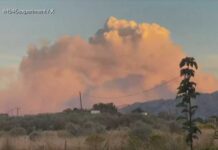
The most dangerous animal in Yellowstone is not the grizzly bear or the wolf; it is the bison, and this week a 12-year-old learned that the hard way.
Story Snapshot
- A 12-year-old was hospitalized after a bison injured them near Mud Volcano in Yellowstone.
- Park officials say bison have injured more visitors than any other animal and can outrun humans.
- The law requires people to stay at least 25 yards away from bison and other large animals.
- Key details about what the child and bison did are still under investigation and not public.
What Happened Near Mud Volcano That Morning
Yellowstone National Park officials say the incident happened around 9:15 a.m. near Mud Volcano, just north of Fishing Bridge, when a 12-year-old visitor was injured by a bison.[2] Emergency medical staff took the child to a nearby hospital after they sustained injuries, but officials have not released how serious those injuries are.[2][5] The National Park Service says the case is still under investigation, and they have not shared what led up to the encounter or exactly how the bison made contact.[2][3]
Media reports repeat the basic facts but add almost no new detail. Local outlets in Montana and Idaho echo the park’s statement: a child was hurt, taken to the hospital, and the incident remains under investigation.[2][3][4] A Chicago television report notes that the rescue team “denies wrongdoing” and that “details of what happened have not yet been released,” which underlines how little hard information the public has about the child’s actions or any possible mistakes by adults nearby.[5]
Why Yellowstone Officials Keep Pointing At The Bison
Yellowstone’s own release stresses one point above all: bison have injured more people in the park than any other animal.[2] That is not fearmongering; it matches Centers for Disease Control and Prevention data showing bison have caused more pedestrian injuries than any other species in Yellowstone since 1980.[10] Park officials warn that bison are unpredictable, can run about three times faster than humans, and will defend their space when they feel threatened.[2][5] That message shapes every rule and every warning sign visitors see.
Researchers who studied bison injuries from 2000 to 2015 found every recorded case happened because people got too close.[10] Many victims stood only three to six feet away, sometimes even turning their backs to take photos or selfies.[10] After 33 injuries in the mid-1980s, outreach campaigns and clearer rules cut the injury rate by over 90 percent.[10] That history supports the park’s current push: they believe distance and respect for animal space prevent almost all bison injuries, no matter how “calm” an animal looks at the time.
The Distance Rules And What They Really Mean
Park rules are blunt: visitors are responsible for staying at least 25 yards away from bison, elk, deer, moose, bighorn sheep, and coyotes, and at least 100 yards away from bears, wolves, and cougars.[2][3][10][11] Yellowstone also bars “willfully approaching” or disturbing any wildlife in ways that create a hazardous situation.[10] These are not suggestions. They are legal requirements backed by tickets and, in some cases, criminal charges when people cross the line and someone gets hurt.
In this case, officials have not said whether the child or any adult broke those rules, and they have announced no charges so far.[4][5][8] That silence cuts both ways. It keeps people from rushing to blame the child or the family without facts, which fits values of personal responsibility based on evidence, not emotion. At the same time, it leaves a gap where questions hang: Was the bison crowded? Did someone try to take a close photo? Did the animal approach the group on its own? Right now, the public does not know.
Fear, Facts, And The Media Narrative Around “Unprovoked” Attacks
National outlets and social media accounts amplify the danger message but rarely dig into the cause. People.com and local television highlight that bison are unpredictable and dangerous, and that they have hurt more visitors than any other animal in the park’s history.[1][5] YouTube channels use titles like “Horror in Yellowstone” to drive clicks, focusing on shock rather than careful detail. That type of coverage can scare families away without teaching them how to behave safely around wildlife.
A 12-year-old was taken to an area hospital Friday after being hurt by a bison just north of Fishing Bridge in Yellowstone National Park. This is the first recorded bison attack in Yellowstone of the year.https://t.co/Y2PbY6AxKE
— Cowboy State Daily (@daily_cowboy) June 26, 2026
Some reports even frame the case as “unprovoked” while admitting that officials say it is unclear how the animal was provoked or what happened before the injury.[8] That mix of strong language and thin facts should make thoughtful readers pause. Wildlife is dangerous when rules are ignored, but government agencies and media should also be open about the limits of what they know, especially when a child is hurt and the public is asked to trust their version of events.
Sources:
[1] Web – 12-year-old hospitalized after being injured by bison in Yellowstone …
[2] Web – 12-Year-Old Child Attacked by Bison in Yellowstone National Park
[3] Web – Bison injures visitor in Yellowstone National Park on June 26
[4] Web – Bison injures 12-year-old visitor in Yellowstone near Mud Volcano
[5] YouTube – Bison injures 12 year old visitor in Yellowstone near Mud Volcano
[8] Web – Yellowstone officials say a 12-year-old was injured after a bison …
[10] YouTube – 12-year-old injured by bison at Yellowstone National Park
[11] Web – Notes from the Field: Injuries Associated with Bison Encounters – CDC