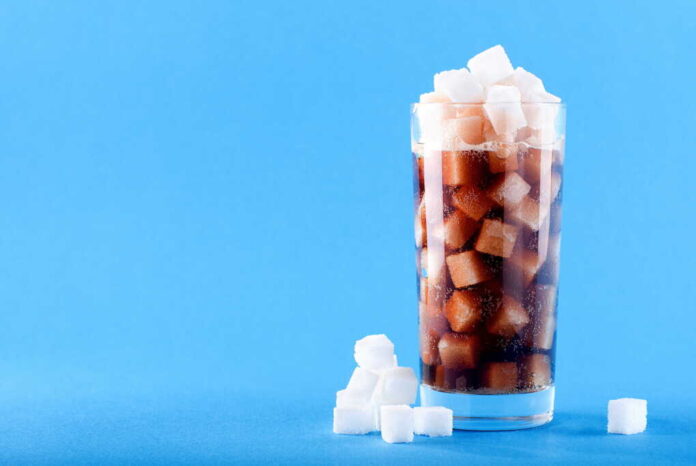
The World Health Organization just delivered a stark warning that could reshape how we think about our daily beverage choices.
Story Overview
- WHO released urgent reports on January 13, 2026, linking affordable sugary drinks and alcohol to rising noncommunicable diseases
- Decades of stagnant taxes have made harmful beverages more accessible, particularly impacting children and young adults
- Heavy drinkers now spend just 3% of disposable income on alcohol versus 50% in the 1950s, driving consumption spikes
- Research shows strategic pricing policies could prevent hundreds of deaths annually while generating healthcare revenue
The Hidden Cost of Cheap Thrills
Alcohol has become dramatically more affordable over the past seven decades. Heavy drinkers in the 1950s spent half their disposable income consuming ten drinks daily. Today, that same consumption pattern costs merely 3% of their income. This affordability revolution didn’t happen by accident—it’s the result of tax policies that failed to keep pace with inflation and rising incomes.
The cheapest alcohol options, priced around 33 pence per unit in the UK, have become the weapon of choice for problem drinkers. Clinical studies reveal that liver disease patients consume an average of 146 units weekly, with 95% of their purchases coming from these rock-bottom priced options. Meanwhile, sugary beverages followed a parallel trajectory, becoming increasingly accessible even as their health consequences mounted.
When Governments Acted, Lives Were Saved
The evidence for pricing interventions isn’t theoretical—it’s written in blood and hospital records. Illinois implemented alcohol tax increases in 2009 and witnessed crashes plummet by 26% overall and 37% among youth. Michigan researchers calculated that a modest 13-cent increase per drink would prevent 350 deaths annually through just a 4% reduction in consumption.
Canada’s minimum pricing experiments delivered even more dramatic results, with each 10% price increase correlating to a 32% reduction in alcohol-related deaths. These aren’t abstract statistics—they represent fathers who made it home safely, teenagers who avoided life-altering accidents, and families spared from devastating loss. The Sheffield Alcohol Policy Model confirms that strategic pricing hits the heaviest consumers hardest while barely affecting moderate drinkers.
The Industry Profits While Healthcare Systems Bleed
Dr. Etienne Krug, WHO’s Director of Health Determinants, cuts straight to the heart of the matter: “More affordable alcohol drives violence, injuries and disease” while industry profits soar. Heavy drinkers cost healthcare systems approximately £1,500 annually per person, yet weak tax structures allow beverage companies to capitalize on addiction and dependency.
The WHO’s 2026 reports reveal that 62 countries have actually seen sugary drinks become more affordable in recent years. This trend directly contradicts public health goals while obesity, diabetes, heart disease, and various cancers surge globally. The economic burden falls squarely on taxpayers through increased healthcare costs, while the profits flow to shareholders of beverage corporations.
@WHO calling for ⬆️ taxes on sugary drinks and alcoholic beverages.
weak tax systems allow for harmful products to remain cheap while health systems face mounting financial pressure from preventable noncommunicable diseases and injuries.
— meta metastart 🗣 (@cmdecato) January 14, 2026
The Path Forward Requires Political Courage
Johns Hopkins research shows that 53-66% of people now recognize moderate drinking as potentially harmful, suggesting public opinion may finally be shifting toward supporting stronger policies. The National Academies acknowledge that while moderate alcohol consumption might offer some cardiovascular benefits, these are overshadowed by increased cancer risks and the broader population-level harms from cheap accessibility.
The solution isn’t prohibition—it’s intelligent pricing that reflects true social costs. Countries implementing minimum unit pricing and strategic tax policies have demonstrated that modest increases can save hundreds of lives while generating revenue for healthcare systems. The question isn’t whether these policies work, but whether governments will prioritize public health over industry lobbying.
Got a health question? Ask our AI doctor instantly, it’s free.
Sources:
PMC – Alcohol Pricing Policy Research
WHO – Cheaper Drinks Will See Rise in Noncommunicable Diseases
ABC13 – Study: Booze is Too Cheap and It’s Killing Us
National Academies – Moderate Alcohol Consumption Report
CDC – Minimum Pricing Policies
Journal of Health Economics – Offsetting Health Costs of Cheap Alcohol
Johns Hopkins – Health Risks of Drinking Alcohol