Traditional medicine is stepping into the future, promising safer, evidence-based care for all.
Story Overview
- Over 800 delegates from 100 countries gathered in New Delhi for the WHO Global Summit on Traditional Medicine.
- The Summit focused on integrating traditional medicine into health systems worldwide by 2034.
- WHO launched a digital library with 1.6 million resources to support traditional medicine research.
- The Delhi Declaration saw 26 Member States commit to strengthening traditional medicine in healthcare.
Reshaping Traditional Medicine
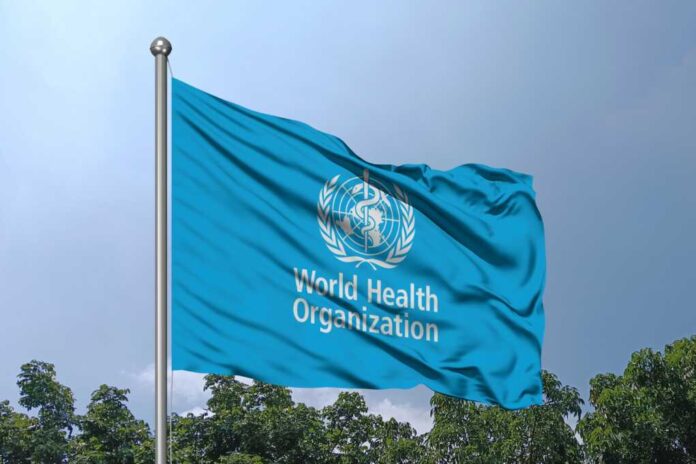
The recent WHO Global Summit on Traditional Medicine in New Delhi marked a significant milestone in the evolution of traditional healing practices. With over 800 delegates from more than 100 countries, the Summit sought to advance the WHO Global Traditional Medicine Strategy for 2025–2034. The goal: to make traditional medicine safer, more evidence-based, and seamlessly integrated into modern health systems, thus offering affordable, people-centred care for all.
The digital age has brought new tools to the forefront. WHO launched the Traditional Medicine Global Library, a digital platform enriched with 1.6 million resources. This repository, coupled with AI tools, aims to close existing evidence gaps and spur further research. This initiative signifies a monumental shift in how traditional medicine is perceived and practiced, potentially unlocking new pathways for global health.
Watch:
Global Commitments and Innovations
The Summit saw the unveiling of the Health & Heritage Innovations (H2I) accelerator, designed to drive innovation in traditional medicine. Additionally, the new Strategic and Technical Advisory Group on Traditional, Complementary and Integrative Medicine (STAG-TM) was introduced. These developments underline a collective commitment to not only preserve but also enhance traditional healing methods.
The Delhi Declaration, a pivotal outcome of the Summit, saw 26 Member States pledge to integrate traditional medicine into primary healthcare. This commitment includes strengthening regulation and safety measures, investing in research, and building interoperable data systems. WHO’s role will be crucial in turning these commitments into actionable strategies, embedding traditional medicine within resilient and inclusive health systems worldwide.
The Road Ahead
Integrating traditional medicine into mainstream healthcare is no small feat. It requires a multifaceted approach involving policy changes, education, and cross-cultural understanding. The Summit has set the stage, but the real challenge lies in the execution. Countries must work collaboratively, leveraging the resources and guidance provided by WHO to ensure traditional medicine is not only preserved but thrives within modern health frameworks.
This transformation is not just about medicine; it’s about heritage, culture, and identity. As traditional practices find their place in contemporary health systems, they bring with them a wealth of knowledge passed down through generations. This fusion of old and new has the potential to revolutionize healthcare, making it more holistic and inclusive.
Your instant doctor companion – online 24 hours a day.