The biggest myth is that heart health depends on one “magic” food, when the real answer is the pattern you repeat every day.
Quick Take
- The Mediterranean diet, especially with extra-virgin olive oil or nuts, cut major cardiovascular events in a large trial of high-risk adults[5][6].
- The trial included many women, but it studied people already at high cardiovascular risk, so the results do not prove the same effect for every woman[5][6].
- The study had real flaws, including a retracted 2013 paper and early stopping, yet the corrected 2018 analysis still showed benefit[2][5][6].
- Daily habits matter more than fear-driven “myth busting”: eat more plants, swap in unsaturated fats, and cut back on highly processed foods[8][13].
The Study That Still Shapes the Debate
The PREDIMED trial remains the center of the argument because it tested a practical question: can a Mediterranean-style diet help prevent heart disease in people at higher risk? The original 2013 paper was later retracted because of randomization errors in part of the trial, but the corrected 2018 publication kept the same overall signal of benefit[2][5][6]. That is why the study still matters, even to critics who dislike its flaws.
In the corrected analysis, the Mediterranean diet plus extra-virgin olive oil lowered major cardiovascular events, and the diet plus nuts did the same. The trial also reported good adherence, supported by self-reports and biomarker checks[5][6]. Still, a careful reader should keep one fact in view: this was a study of older adults at high cardiovascular risk, not a blanket guarantee for every healthy middle-aged woman[5][6].
What Critics Get Right
The strongest criticism is not that the diet had no value. It is that the trial design leaves room for doubt about the exact size of the benefit. Reviewers have said the study was stopped early, which can make results look bigger than they really are. Others noted that the control group was not a pure “bad diet” group, since it also received advice that moved it partly toward Mediterranean eating[1][2].
Critics also point out that the main benefit in some analyses looked stronger for stroke than for heart attack or cardiovascular death. That does not erase the findings, but it does sharpen the claim. The safest reading is not “olive oil cures heart disease.” The safer reading is “this eating pattern probably lowers risk, especially in people already headed toward trouble”[1].
What Heart Health Advice Still Holds Up
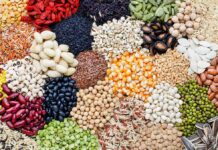
The practical message is stronger than the headline fight. A Mediterranean-style diet centers on vegetables, fruits, beans, nuts, whole grains, fish, and olive oil, while cutting back on processed meats, refined grains, and added sugar. The American Heart Association says this pattern can help prevent heart disease and stroke and lower risk factors like high cholesterol, diabetes, and high blood pressure[8].
A plate built from plants and unsaturated fats leaves less room for the ultra-processed snacks that crowd out better choices. Large nutrition guidance from the Dietary Guidelines Advisory Committee also links higher intakes of vegetables, fruits, legumes, nuts, and unsaturated oils with better health outcomes[13].
How to Use the Evidence Without Getting Tricked by the Hype
Start with the habits that have the least drama and the most payoff. Cook with olive oil instead of butter more often. Eat nuts in small, regular amounts. Make fish a weekly habit. Build meals around vegetables and beans. Cut down on sugar-heavy drinks, packaged snacks, and processed meats. Those steps do not sound sexy, but they are the kind that stack up over years.
The self-report problem matters here too. Research on diet tracking shows people often misstate what they eat, and social desirability can push them to report healthier habits than they really have[11][14]. That is one reason single-food claims deserve skepticism. The better question is not whether one headline is perfect. It is whether the total body of evidence keeps pointing in the same direction.
Sources:
[1] YouTube – Debunking heart health myths: useful tips to help reduce your risk of …
[2] Web – [PDF] Did the PREDIMED Trial Test a Mediterranean Diet?
[5] Web – PREDIMED Trial of Mediterranean Diet Retracted and Republished
[6] Web – Primary prevention of cardiovascular disease with a Mediterranean …
[8] Web – What Does the PREDIMED Trial Retraction & Reboot Mean for the …
[11] Web – Errors Trigger Retraction Of Study On Mediterranean Diet’s … – NCBI
[13] Web – National Health and Nutrition Examination Survey, 2007-2018
[14] Web – Dietary Pattern Analysis – an overview | ScienceDirect Topics