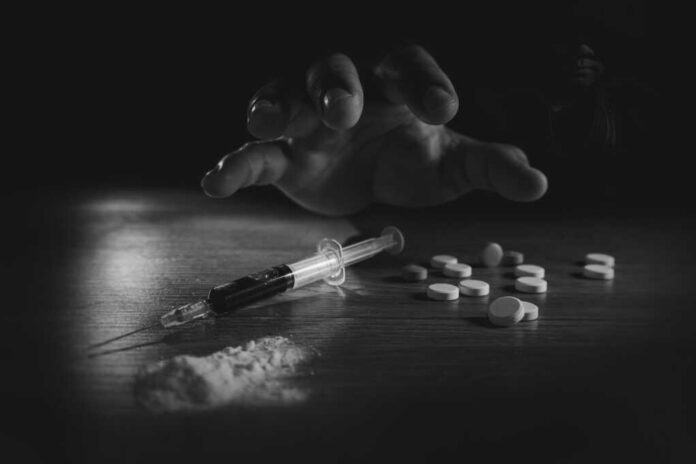
The real turning point in health is not the workout or the diet—it is what your body does afterward when you finally let it recover.
Story Snapshot
- Recovery is when your body repairs damage, balances brain chemistry, and resets cravings.
- Sleep, real food, movement, and simple habits can lift mood and support long-term remission.
- Most health advice talks about activity, not the quiet rebuilding that makes results stick.
- Supplements can help, but the hard science still lags behind the marketing hype.
Recovery turns healthy habits into real healing
Doctors and therapists working with people in addiction recovery keep finding the same pattern. Change does not only come from medications or talk therapy. Real progress shows up when people repair their daily routines with better food, steady movement, and consistent sleep. Nutrition and exercise can improve mood, cut cravings, and make treatment work better. When follow-up studies track patients for a year or more, more than half of treated adults reach lasting remission. That kind of turnaround does not happen on willpower alone. It rides on the body’s ability to heal when you finally stop beating it up every day.
Kaiser Permanente doctors explain this in very practical terms for people coming off alcohol or drugs. Healthy living, they say, rebuilds your body, strengthens your immune system, and lowers depression and anxiety. They tell patients to eat regular meals, choose vegetables, fruits, whole grains, and lean protein, and avoid heavy sugar and fried foods. That is not trendy advice. It is basic, boring, and easy to ignore. But in recovery, that “boring” food is raw material your cells need to repair damage and calm an overdriven nervous system. Real-life clinics see the results every day.
Sleep is medicine and movement keeps the engine running
Sleep often gets treated like a lifestyle extra, but in recovery it works more like a nightly reset button. Treatment programs encourage people to go to bed and wake up at the same times, dim lights, keep the room cool, and turn off devices before bed. This kind of regular sleep schedule helps your brain cope with mood swings, stress, and the strange body feelings that show up when you stop using substances. When sleep improves, people handle cravings better and have more patience for the hard emotional work recovery demands.
Movement plays a different but connected role. Walks, light exercise, and gentle stretching help blood flow, improve energy, and lower anxiety. Programs that add regular activity see better treatment outcomes because moving the body gives people a healthy way to burn off tension instead of reaching for a drink or a pill. Some recovery guides even warn that hunger or fatigue get mistaken for cravings. A simple walk and a balanced snack can break that false signal before it turns into relapse.
Nutrition and mindful habits rebuild more than muscles
Whole foods packed with vitamins, minerals, and protein help repair damage from years of substance use. Clinics teaching recovery do not push fancy superfoods. They push enough real food, steady hydration, and basic meal prep so people stop living on sugar and caffeine. Kaiser Permanente even suggests a simple multivitamin to cover common gaps. That kind of low-cost, low-tech support fits well with a view that good health should not depend on expensive hospital care alone. Strong families and communities can support each other with shared meals and daily routines.
Mindfulness practices, like slow breathing, body scans, and yoga, help people notice internal triggers before they act on them. Videos and guides on addiction recovery describe how these practices let a person watch cravings with calm curiosity instead of panic. Over time, that skill separates “I want to use” from “I have to use.” It builds emotional grit that supports freedom. Researchers writing about recovery paths stress self-care and lifestyle change as core rules, not optional extras. Again, the pattern holds: recovery is a daily practice, not a pill.
Where supplements fit and where the science still falls short
The modern wellness world loves “smart” supplements. Magnesium for stress, vitamin D for mood, probiotics for gut health—on paper, these tools seem to support recovery. Some doctors and chiropractors recommend them to help with muscle relaxation, immune function, and inflammation after treatment. There is nothing wrong with careful supplement use, especially when guided by a professional who checks blood levels and interactions. But here the evidence base is weaker than the bold claims suggest.
So far, the strongest data in recovery focuses on behavior: sleep, movement, food, and support systems. There is not yet a stack of large clinical trials proving that smarter supplement stacks alone drive long-term wellness for most people. For readers who value facts over hype and worry about the power of big industries, this should ring alarm bells. The supplement market can push half-proven products with big promises and little accountability. Until better research arrives, supplements belong as small helpers, not the star of the show. The real engine of recovery is still the quiet, daily work of letting your body rebuild.
Sources:
artofhealthyliving.com, rosecrance.org, ncbi.nlm.nih.gov, mydoctor.kaiserpermanente.org, crossroadshealth.org, gatewayrehab.org, frontiersin.org