A new class of weight-loss drugs is quietly reshaping athletes’ bodies, and no one can yet say for sure whether it is sharpening their performance—or hollowing it out from the inside.
Story Snapshot
- GLP-1 drugs strip fat fast, but up to a third of the weight lost can be muscle.
- Major medical centers warn of strength and mobility risks, while other studies call the changes “adaptive.”
- Endurance athletes may gain a power-to-weight edge even as their muscles and recovery take a hit.
- Sports regulators are now asking if these medicines are performance enhancers, health risks, or both.
Athletes are tapping into obesity drugs without knowing the full performance cost
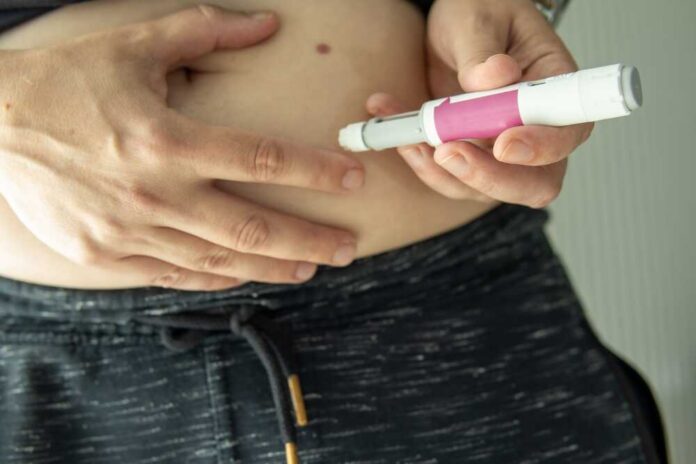
Competitive athletes are now using glucagon-like peptide-1 medicines, the same drugs doctors use to treat diabetes and obesity, to drop weight faster than old-school diet and cardio ever allowed. Clinical trials in people with obesity show that when you lose weight on these drugs, about 15% to 40% of that loss comes from lean tissue, not fat. That lean tissue bucket includes muscle, organs, and fluid, but for athletes, muscle is the part that matters because it drives strength, speed, and power.
In flagship semaglutide trials, roughly a quarter to nearly half of the weight lost came from lean mass. For tirzepatide, about 25% of the total weight lost was lean mass and 75% was fat. On paper, that ratio does not look worse than traditional diet-only weight loss, where you also lose muscle along with fat. But for an athlete who lives and dies by watts, reps, or vertical jump, trading five or ten pounds of hard-earned muscle for a lighter number on the scale is not a minor side effect. It can rewrite their entire sport profile.
Big institutions warn that muscle loss is real and performance gains are not guaranteed
Researchers at the University of Virginia Health reviewed the medical literature and concluded that GLP-1–driven weight loss includes a meaningful chunk of lean mass and does not clearly boost fitness enough to make up for that loss. Their message was blunt: these drugs lower weight, but they do not automatically make you a better mover or a stronger athlete. The American Diabetes Association now urges doctors to screen patients for malnutrition and low muscle risk before starting GLP-1 medicines and to push adequate protein and exercise from day one.
Stanford Medicine scientists went further in animal work, reporting that GLP-1 treatment caused muscle loss in young adult mice that did not quickly return and harmed strength and mobility. If that pattern holds even partly in humans, it speaks directly to core concerns about medical fads: a quick fix for the scale that quietly erodes function and independence over time. For an older athlete or a masters competitor, losing the ability to move well and stay strong is not just a sports issue. It is a dignity and self-reliance issue.
Other researchers say muscle changes look normal and may even improve function
Peer-reviewed reviews push back on the panic and argue the muscle story is more nuanced. One detailed analysis of GLP-1 receptor agonists found that skeletal muscle changes appear “adaptive,” meaning muscle volume drops in line with lower body weight and aging, while muscle quality and insulin sensitivity improve. Another review of incretin-based therapies reported lean mass typically makes up 15% to 45% of total weight lost, which matches other weight-loss methods and can still leave overall body composition better even with some muscle loss.
Clinical data from large trials back this up. In the semaglutide STEP-1 trial, lean mass fell by about 9.7% but fat mass dropped by about 19.3%, and the percentage of the body that was lean mass actually went up. In SURMOUNT-1, tirzepatide users saw about 25% of their weight loss from lean mass and 75% from fat. A Cell Press study reported that GLP-1 medicines slightly lowered absolute muscle values but improved body composition and mobility overall. That picture supports a trade-off many readers can accept: you end up smaller, somewhat less muscular in absolute terms, but relatively leaner and possibly more able to move yourself through space.
The athlete-specific risks: energy, recovery, and the “Ozempic melt”
Sports dietitians warn that GLP-1 drugs cause a chronic energy gap that can wreck training if you do not fight it on purpose. These medicines blunt appetite and slow stomach emptying. That feels helpful to a sedentary person trying to avoid snacks. For an athlete, it can mean they simply do not get enough calories or protein to match heavy training loads. Experts link this kind of under-fueling to fatigue, poor recovery, hormonal disruption, and muscle loss that looks like the syndrome long known as relative energy deficiency in sport.
Coaches now talk about an “Ozempic melt,” where athletes on GLP-1s lean out but also see big drops in strength and muscle. Because no major clinical trials have tested these drugs in healthy, high-performing athletes, no one has hard numbers yet for effects on sprint times, lifting totals, or race results. That evidence gap matters. It allows both media alarm and drug marketing spin to run ahead of careful science.
Why endurance athletes are tempted anyway—and why regulators are watching
Endurance athletes feel the pull most. Dropping ten, twenty, or thirty pounds of mostly fat can improve running economy and power-to-weight ratio even if absolute muscle shrinks somewhat. Some triathletes report faster run splits after GLP-1–driven weight loss, describing it as a strange edge that came with an early hit to their oxygen uptake that later got better when they fixed their fueling. That kind of advantage, especially if it comes without extra training, fits the textbook pattern of a performance-enhancing drug.
Sports bodies are taking notice. Medical and ethics discussions around performance-enhancing drugs have long warned about using powerful medicines for non-medical reasons in sport, highlighting health risks and unfair advantage concerns. Now the World Anti-Doping Agency is reviewing GLP-1 medicines against three tests: do they enhance performance, do they pose health risks, and do they violate the spirit of sport. A future ban, even if based on limited data, would brand these drugs as off-limits “helpers” and put athletes who use them for pure vanity in the same moral bucket as classic dopers.
What cautious, values-driven athletes should do right now
The medical establishment, from diabetes organizations to endocrinology experts, advises against GLP-1 use in healthy athletes who do not have obesity or diabetes. That guidance aligns with basic conservative values: use strong medicine when there is a clear medical need, not just to chase faster cosmetic results. Athletes who do have a medical reason to take GLP-1s can protect themselves by lifting weights, eating enough high-quality protein, and closely tracking strength and performance while they lose fat.
Until true sport-specific trials measure how these drugs change maximum strength, race times, and recovery in trained bodies, one fact stands above the hype. GLP-1 medicines are powerful tools that change not just your waistline, but your muscle, your energy, and possibly your long-term health. For athletes, that means the real performance question is not “Can this make me lighter?” but “What, exactly, am I giving up for that lighter number—and will I still be the same competitor when the weight is gone?”
Sources:
menshealth.com, med.stanford.edu, pmc.ncbi.nlm.nih.gov, dietitianapproved.com, diabetes.org, sciencedirect.com, endocrinologyadvisor.com, princetonmedicine.com