A bat-borne virus with up to 75% fatality rate now advances to human trials.
Story Snapshot
- Oxford’s ChAdOx1 NipahB vaccine, built on the same platform as the AstraZeneca COVID shot, completes phase I safety and launches phase II in Bangladesh.
- Nipah virus kills 40-75% of victims, spreads from bats via contaminated date palm sap, and poses pandemic risk with no approved treatments.
- CEPI funds the effort with millions, pushing a “100 Days Mission” for rapid vaccine platforms amid past COVID overreach concerns.
- First phase II trial in an outbreak hotspot tests safety in 306 adults, marking the most advanced Nipah countermeasure globally.
Nipah Virus Threat Emerges
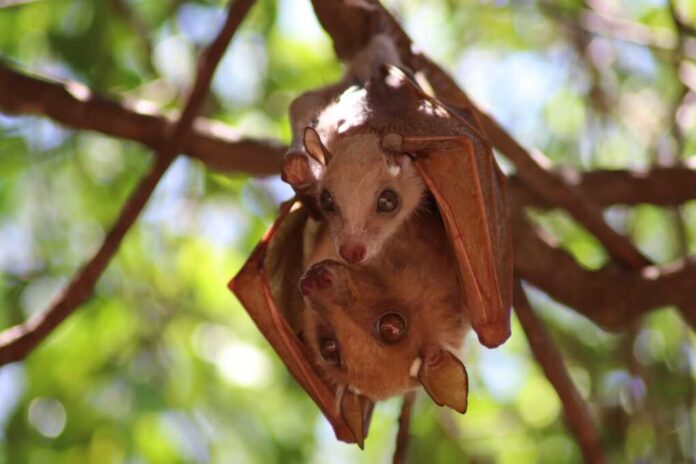
Nipah virus first struck in 1998-1999 among Malaysian pig farmers, killing hundreds and forcing the culling of over one million pigs at massive economic cost. Fruit bats serve as natural reservoirs, contaminating raw date palm sap in Bangladesh, where outbreaks recur annually since 2001. The virus causes fever, encephalitis, and respiratory failure, claiming about 415 of 750 recorded cases worldwide. Human-to-human spread occurs through close contact, heightening nosocomial risks for caregivers and health workers. WHO lists Nipah as a priority pathogen due to its pandemic potential.
Vaccine Progress on Proven Platform
University of Oxford’s Pandemic Sciences Institute developed ChAdOx1 NipahB using the ChAdOx1 vector from the Oxford-AstraZeneca COVID-19 vaccine. Phase I trial in Oxford enrolled 51 adults aged 18-55, who completed one-year safety follow-up with no major concerns reported. Immunogenicity data awaits publication. The platform’s global deployment during COVID provides a strong safety and manufacturing record, accelerating development for this bat-borne threat. Prof. Dame Sarah Gilbert leads the effort, stressing international collaboration.
Major breakthrough in vaccine development for deadly virus with 75% fatality rate https://t.co/LAFN9xfA7D pic.twitter.com/CMr73y9ACa
— The Independent (@Independent) December 12, 2025
Phase II Trial Launches in Bangladesh
Phase II randomized trial began earlier in 2025 in Bangladesh, partnering with icddr,b to enroll 306 healthy adults aged 18-55. The study assesses safety and immune response in a nation facing recurrent outbreaks. CEPI provides funding, including $7.3 million for clinical advancement and manufacturing. Prof. Brian Angus calls testing in affected regions critical for equitable access. Dr. Kent Kester deems it the world’s most advanced Nipah vaccine, a first-of-its-kind step. This aligns with “prototype pathogen” strategies for rapid response.
Parallel preclinical work advances, like DS90-m102.4 nanobody-antibody therapy protecting hamsters fully pre-exposure and partially post-infection. No licensed Nipah vaccine or antiviral exists yet. Trials focus on UK and Bangladesh sites, with expansion possible post-positive results. Efficacy data gaps persist due to sporadic outbreaks, relying on immune correlates and potential ring vaccination.
Watch:
Got a health question? Ask our AI doctor instantly, it’s free.
Implications for Global Preparedness
Success could enable ring vaccination for health workers, date palm collectors, and farmers, containing outbreaks like post-Ebola vaccine impacts. Bangladesh gains research capacity and surveillance boosts. Economically, it prevents disruptions seen in Malaysia’s pig culling. CEPI embeds this in a 100-day mission for emerging viruses, validating platforms for henipaviruses like Hendra.
Local communities in Bangladesh and India bear highest risks, with trial infrastructure aiding outbreak response. Political leverage grows for participant nations. Social challenges include vaccine hesitancy amid trust issues from past pandemics. Under President Trump, America prioritizes domestic health wins over endless global spending.
Sources:
University of Oxford advances Nipah vaccine to phase II trial in Bangladesh
$7.3 million supports ChAdOx1 NipahB vaccine candidate development
Nanobody therapy shows promise against Nipah and Hendra viruses
Major breakthrough in vaccine development for deadly virus with 75% fatality rate
Scientists close in on vaccine against lethal Nipah virus