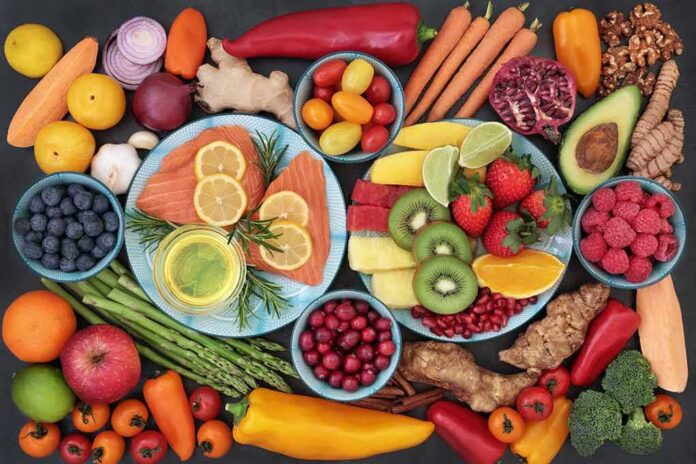
A compound made by gut bacteria from pomegranates, walnuts, and berries may help repair the lining of the intestine.
Quick Take
- Scientists found that urolithin A, a compound gut bacteria make from certain plant foods, can trigger a repair response in intestinal cells.
- The compound switches on a receptor called AHR, which then activates a cell defense system named the NLRP6 inflammasome.
- This chain reaction releases signals that boost mucus production and antibacterial proteins, strengthening the gut’s inner wall.
- The findings come from mouse studies and lab cell models, not human clinical trials yet.
What Researchers Actually Found
Researchers reported that urolithin A activates a receptor called AHR inside mouse intestinal epithelial cells. Once switched on, AHR triggers a cellular defense system known as the NLRP6 inflammasome. That system then releases a signaling molecule called interleukin-18, but notably not another inflammatory molecule called IL-1 beta, which matters because it suggests a controlled, repair-focused response rather than a broad inflammatory one.
That release of interleukin-18 does not stop there. It tells nearby immune cells to release another signal, interleukin-22, which then tells the gut to produce more mucus and more of an antibacterial protein called REG3-gamma. Think of it as a relay race. Urolithin A hands off to AHR, AHR hands off to NLRP6, and the baton keeps moving until the gut wall gets thicker mucus and stronger natural defenses.
Where This Compound Actually Comes From
Urolithin A does not exist in food on its own. It shows up after gut bacteria break down plant compounds called ellagitannins, found in pomegranates, walnuts, and various berries. Not everyone’s gut bacteria can make it well. Roughly ten percent of people are considered nonproducers, meaning their gut microbes do not convert those plant compounds into urolithin A efficiently, no matter their age.
That production gap matters for anyone hoping diet alone delivers this benefit. Two people can eat the same pomegranate and end up with very different amounts of urolithin A in their system, simply based on which bacteria live in their gut. This is one reason supplement makers have started selling purified urolithin A directly, sidestepping the conversion step entirely.
How This Fits Other Gut Barrier Studies
This is not the compound’s first appearance in gut research. Separate studies found urolithin A thickens the protective mucus layer in the colon by boosting a protein called mucin 2, working through the same AHR pathway alongside another protein sensor named Nrf2. Other research showed it restores tight junctions, the molecular seals between intestinal cells, after damage from toxins or inflammation.
A broader review of urolithin research described it as a compound that “fortifies the intestinal barrier” while also showing effects on aging cells and cancer metabolism in preclinical models. NLRP6 itself has a track record here too. Earlier research tied this same sensor to epithelial self-renewal and suggested it could offer a therapeutic strategy for inflammatory bowel disease.
Eat pomegranates, walnuts, and berries 🙂
It may help repair and protect the intestinal lining (meaning they decrease inflammation) 🙂“Urolithin A is a natural compound that certain gut bacteria make after you eat foods like pomegranates, walnuts, and berries.
In this study,… pic.twitter.com/RcrgQLKGBI— lilly (@lilly70583564) September 17, 2026
What makes this new study stand out is the precision of the mechanism. Researchers did not just observe that urolithin A helps the gut. They traced the exact molecular path, from receptor to inflammasome to signaling molecule to mucus production, in mouse intestinal cells. That level of detail gives drug developers and supplement researchers a clearer target to work with going forward.
What Comes Next For This Research
None of this is a human clinical trial yet. The findings rest on mouse intestinal cells and lab models, which is standard early-stage science but still a step removed from proving benefits in people with real digestive conditions. Researchers studying urolithin A have flagged that translating cell and mouse results into reliable human outcomes remains the harder, unresolved part of this work.
Still, the mechanism holds real promise for a common-sense reason. Millions of Americans deal with digestive issues, from inflammatory bowel disease to general gut inflammation, and a naturally occurring compound that supports the body’s own repair signals is worth watching closely. Eating more pomegranates, walnuts, and berries costs nothing and carries little downside while this research matures.
Sources:
sciencedaily.com, pubmed.ncbi.nlm.nih.gov, bonerge.com, tandfonline.com, nature.com, frontiersin.org, pnas.org