Your grocery list might be the most powerful prescription you never knew you had for fighting diseases like arthritis, heart disease, diabetes, and even cancer.
Story Snapshot
- Anti-inflammatory diets reduce chronic disease risk by 20-30% through foods rich in omega-3s, antioxidants, and fiber while avoiding processed items and sugars
- The PREDIMED trial demonstrated a 30% reduction in stroke and heart events among those following Mediterranean-style anti-inflammatory eating patterns
- 58 million Americans with arthritis experience measurable pain relief and lowered inflammation markers by eating fatty fish twice weekly and consuming daily servings of nuts
- Recent research links anti-inflammatory diets to a 15% lower risk of Alzheimer’s disease and potential trillion-dollar global healthcare savings
- 40% of U.S. adults now incorporate anti-inflammatory principles into their eating habits, driven by personalized AI apps and microbiome testing
From Mediterranean Villages to American Kitchens
The anti-inflammatory diet traces its roots to post-World War II observations in Crete and Greece, where residents eating abundant olive oil, fish, and vegetables had 90% lower heart disease rates than Americans. Ancel Keys’ Seven Countries Study in the 1960s formalized these findings, setting off decades of research into how specific foods affect inflammation biomarkers. By the 1990s, the Mediterranean Diet Pyramid crystallized these principles. The real shift occurred in the 2000s when Harvard researchers like Walter Willett connected these eating patterns to reduced C-reactive protein levels, transforming regional cuisine into a global health strategy.
The terminology “anti-inflammatory diet” gained momentum as scientists identified mechanisms behind food’s healing properties. Unlike trendy restrictive diets focused solely on weight loss, this approach targets measurable inflammation markers linked to chronic disease. COVID-19 accelerated public interest dramatically when researchers highlighted inflammation’s role in severe outcomes through cytokine storms. The Veterans Administration and Arthritis Foundation began distributing educational materials promoting plant-based shifts, while meal kit companies capitalized on the $4 trillion global wellness market with standardized salmon and quinoa dinners.
The Science Behind Your Plate
Research published in peer-reviewed journals demonstrates how anti-inflammatory foods work at the cellular level. Omega-3 fatty acids from fish reduce interleukin-6, a key inflammatory marker. Fiber from whole grains and vegetables ferments into short-chain fatty acids that calm immune responses. Monounsaturated fats in olive oil and nuts boost adiponectin, an anti-inflammatory hormone. The landmark PREDIMED trial, published in the New England Journal of Medicine in 2013, provided gold-standard evidence: participants following a Mediterranean pattern with extra virgin olive oil or nuts experienced 30% fewer cardiovascular events over five years.
Harvard researchers emphasize the strongest evidence supports benefits for arthritis, gastrointestinal health, and heart disease. The Arthritis Foundation points to studies showing twice-weekly fish consumption cuts C-reactive protein levels measurably within weeks. Recent meta-analyses confirm these diets lower pro-inflammatory cytokines like TNF-alpha by 20-30% within three months. A 2025 analysis even linked sustained adherence to a 15% reduction in Alzheimer’s risk. The VA recommends five or more cups of colorful plant foods daily, a target that sounds ambitious until you realize beans, berries, and leafy greens count toward the total.
What Actually Goes on Your Plate
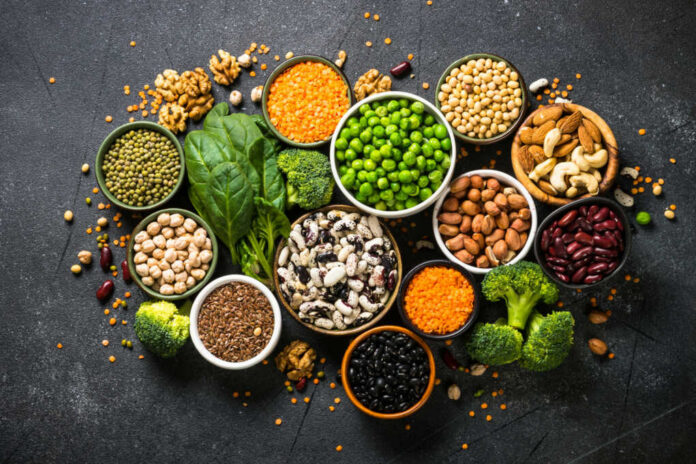
Building this diet requires strategic shopping, not rocket science. The foundation consists of fatty fish like salmon or sardines twice weekly, a daily handful of walnuts or almonds, and extra virgin olive oil as your primary cooking fat. Mayo Clinic nutritionists recommend eating the rainbow with produce choices: blueberries for anthocyanins, tomatoes for lycopene, leafy greens for vitamins K and E, and orange sweet potatoes for beta-carotene. Whole grains like oatmeal and quinoa provide fiber that feeds beneficial gut bacteria, which manufacture their own anti-inflammatory compounds.
Spices deserve special attention despite Harvard’s Eric Rimm noting their benefits are modest compared to foundational foods. Turmeric contains curcumin, studied extensively for reducing joint inflammation, though absorption improves when paired with black pepper. Ginger offers similar properties rooted in traditional Ayurvedic medicine. The foods to minimize matter just as much: processed meats increase inflammatory markers, refined sugars spike insulin and oxidative stress, and trans fats directly damage cell membranes. One practical meal might feature turmeric-spiced tofu over quinoa with roasted vegetables, drizzled with olive oil and finished with crushed walnuts.
Real-World Results and Practical Barriers
The 58 million Americans living with arthritis represent a population experiencing tangible benefits from anti-inflammatory eating. Joint pain decreases, morning stiffness lessens, and some reduce reliance on NSAIDs within weeks of dietary changes. Energy levels improve as blood sugar stabilizes without processed carbohydrates. The economic implications extend beyond individual health: analysts project potential trillion-dollar healthcare savings if adoption continues, driven by reduced sick days and fewer chronic disease complications. Food industry data already shows 15% year-over-year growth in nut and fish sales alongside a 5% decline in processed food purchases.
Yet challenges persist. Some research shows no association between Mediterranean adherence and inflammation markers, likely reflecting poor dietary compliance or genetic variability in response. Low-income communities face access issues despite beans and frozen vegetables offering affordable options. Uncertainties remain regarding optimal spice dosages and long-term outcomes beyond Mediterranean populations. The Academy of Nutrition and Dietetics acknowledges individual responses vary, making blanket recommendations difficult. Still, the consensus among institutions from Harvard to the World Health Organization points toward the same core principles: prioritize whole plant foods, choose healthy fats, include omega-3-rich fish, and dramatically reduce processed items.
The Path Forward
Personalized approaches now emerge through AI-powered apps integrating gut microbiome testing to refine food choices. The ongoing PREDIMED-Plus trial demonstrates sustained inflammation reduction alongside weight loss, while European Union programs fund anti-inflammatory school meal initiatives. USDA dietary guidelines increasingly echo Mediterranean principles, and social media hashtags generate over 500,000 posts sharing recipes and success stories. This represents empowerment through everyday choices rather than pharmaceutical dependency, transforming chronic disease management from reactive treatments to proactive kitchen strategies backed by population studies spanning six decades.
Sources:
The Ultimate Guide to an Anti-Inflammatory Diet: Foods, Benefits, Meal Tips
Quick Start Guide to an Anti-Inflammation Diet – Harvard Health
Anti-Inflammatory Diet – Arthritis Foundation
The Role of Diet and Dietary Patterns in Persons with Inflammatory Diseases
Eating to Reduce Inflammation – Veterans Affairs
Want to Ease Chronic Inflammation – Mayo Clinic Health System
What Is an Anti-Inflammatory Diet – Eat Right PRO
Anti-Inflammatory Diet Patient Handout – UW Family Medicine