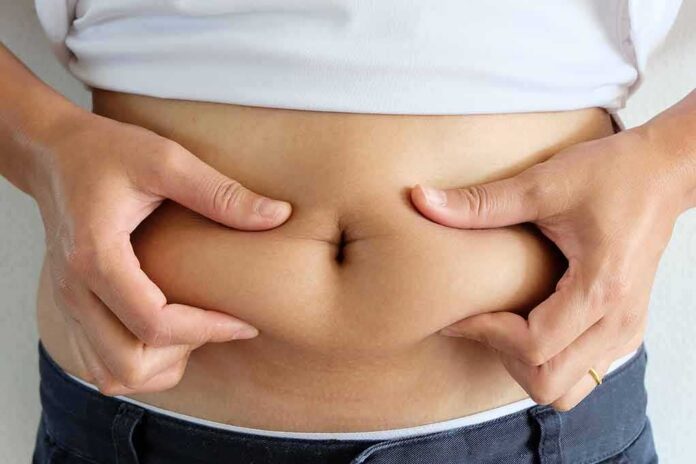
Your belly can pop out fast because gas and gut mechanics push it forward, not fat alone.
Story Snapshot
- A wellness video says gut bacteria create gas that puffs the belly out
- Clinicians list gas, stool, fluid, pregnancy, and fat as common causes
- Government health guidance explains how carbs and constipation drive gas
- Doctors also see muscle and nerve patterns that mimic “belly fat”
The claim: gas from gut bacteria can push your belly out
Autumn Bates tells viewers that the “main cause” of bloating is gut bacteria breaking down food and releasing gas that gets trapped and pushes the abdomen outward. The core idea tracks with how digestion works. Bacteria ferment leftover carbs. That creates gas. Gas can stretch segments of your intestines. Your belly can look larger after a meal. Many people feel pressure with it. A mirror makes it obvious. Pants fit in the morning, then feel tight by lunch.
Doctors agree gas can distend the abdomen, but they teach a wider list. Clinicians often use the “five Fs”: flatus, fetus, feces, fluid, and fat. Gas is flatus. Stool buildup is feces. Fluid can mean disease in rare cases. Fat means adiposity in the belly wall. Pregnancy is obvious in context. This simple rule helps people think beyond fat alone. It matches what many adults notice. Waist size can swing during the day without any change in body fat.
What clinical sources say causes that puffed look
Official guidance explains the gas part in plain terms. Undigested carbs reach the colon. Bacteria eat them. Gas forms. Some people also have constipation, irritable bowel syndrome, or problems digesting certain carbs. These issues can raise gas or trap it longer, which worsens symptoms. Reviews add more causes. Diet, small intestinal bacterial overgrowth, celiac disease, lactose intolerance, and slow stomach emptying can all play a role. The mix varies by person.
Visible distension does not always require large gas volumes. Mayo Clinic experts describe abdomino-phrenic dyssynergia. The diaphragm moves down while the belly wall relaxes outward. That muscle pattern can push the abdomen forward even when the gut gas load is modest. This explains large end-of-day bellies in some people who do not eat big meals. It also explains why breathing drills and core retraining sometimes help when diet tweaks fail. Mechanics matter as much as chemistry.
Bloating versus distension: why the words matter
Medical teams separate feeling bloated from looking distended. Bloating is a sensation. Distension is a measured increase in girth. Many people have one without the other. Clinical reviews stress this split because the workup differs. A person who feels full may have nerve sensitivity. Another who gains two inches after lunch has a storage or mechanics problem. Clear terms help you choose the next step. Is it food choice, stool load, gas handling, or muscle control?
Population data show how common these issues are. Large reviews report that about one third of adults have bloating or distension. Rates are even higher in irritable bowel syndrome. Doctors see these complaints every day and rarely jump to fat as the only answer. The day-night waist swing is a clue. If your morning belt notch is easy and your evening notch is tight, think gas, stool, and muscle pattern first. Scale weight barely moves that fast.
Practical steps that align with the evidence
Track your trigger carbs for one to two weeks. Beans, onions, garlic, apples, and certain sweeteners can ferment fast. Eat smaller, slower meals. Chew well and cut excess air swallowing from gum and straws. Support regular bowel movements with fiber, water, and daily walks. If symptoms persist, ask a clinician about lactose or fructose intolerance tests, celiac screening, or targeted trials. Some cases benefit from breath tests, pelvic-floor therapy, or diaphragm training.
One fair caveat: no single cause fits every person, and some symptoms signal illness. Seek care fast for unplanned weight loss, blood in stool, vomiting, fever, or constant pain. For most people, though, the story is not fat first. It is gas from carbs, stool backup, and muscle patterns that push the belly forward. That is a hopeful frame. You can change meals, habits, and mechanics within days, and your waist can follow just as fast.
Sources:
youtube.com, mayoclinic.org, niddk.nih.gov, mcpress.mayoclinic.org, jamanetwork.com