Your fridge’s warmest spot is the door, and it is quietly killing your groceries.
At a Glance
- Keep milk, eggs, and raw meat off the door; use the cold bottom shelf instead.
- Do not wash produce before storing; wash right before you eat it.
- Separate fruits from vegetables to limit ethylene-driven spoilage.
- Cover or seal foods, control moisture, and keep the fridge at 40°F or colder.
Put the Right Foods in the Right Zones
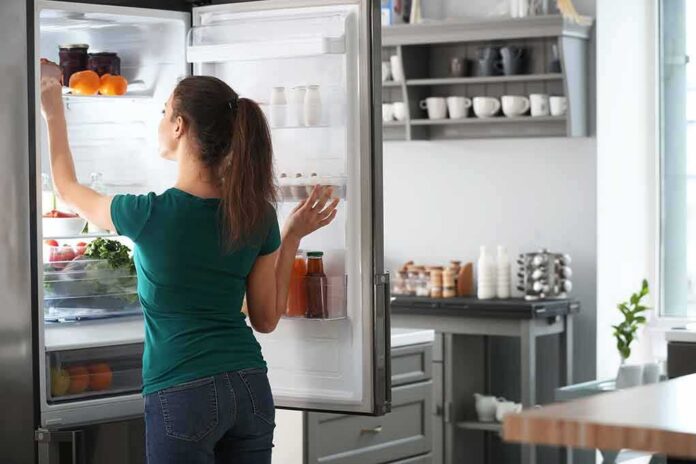
Refrigerators do not cool evenly. The door runs warm because you open it often. Store milk, eggs, fresh meat, and poultry on the bottom shelf, where air is cold and steady. Use the door for condiments and shelf-stable drinks that can handle small swings. This setup lines up with long-standing federal guidance to keep perishables in the coldest zone and out of the door’s warm air wash.
Set a thermometer inside and aim for 40 degrees Fahrenheit or below. This single habit protects food quality and safety. Warmer fridges speed spoilage and can let harmful germs grow. The United States Food and Drug Administration (FDA) calls out the 40-degree mark for a reason. Cold slows the clock on every item you want to keep, from deli meat to leftovers to fresh berries.
Use Moisture and Air to Your Advantage
Moisture control decides whether your lettuce is crisp on Thursday or limp on Tuesday. Line the crisper with paper towels to catch extra water. Keep leafy greens in produce drawers, which hold humidity. Vent containers when you need to let produce breathe, and seal containers when you need to lock in moisture. Store cooked foods and cut produce in covered containers or sealed bags to block odors and slow drying, as FDA guidance recommends.
Keep raw meat and poultry in a leakproof container on the bottom shelf. This prevents drips from touching ready-to-eat foods. It also keeps your fridge cleaner, which means less time scrubbing and fewer chances for cross-contamination. Simple placement rules save money because they prevent one mistake from ruining a whole week’s groceries.
Handle Produce the Way Produce Wants
Skip washing produce before storage. Water left on leaves or berries invites mold and rot. Wash right before you eat or cook. If you must wash ahead, dry the items well with a clean towel. Federal guidance is clear: rinse produce under running water before eating, but do that prep step just before use to avoid extra moisture during storage.
Separate fruits from vegetables. Many fruits give off ethylene gas as they ripen. That gas speeds aging in nearby produce, especially leafy greens. Keep apples, bananas, and avocados away from lettuce, herbs, and broccoli. Use separate drawers when you can. This single change stretches the life of salad fixings and reduces midweek waste. The fix costs nothing and pays back with fresher meals and fewer last-minute store runs.
Beat the Clock with Smart Timing
Move fast after you shop or cook. Chill perishable foods within two hours of cooking or purchase, or within one hour if the room is above 90 degrees. Divide large pots of soup or trays of meat into shallow containers so they cool quickly. These time-and-temperature steps come straight from federal food safety rules and cut both risk and waste in one move.
Label leftovers with the date. Aim to eat or freeze cooked items within three to four days. Freeze portions you will not eat this week. Freezers are a pause button for your budget. Rotate older items to the front so they get used first. This first-in, first-out habit feels simple, but it stops the pileup that often ends in the trash.
Read Dates, Trust Your Fridge, and Use Common Sense
Most package dates signal quality, not safety. The United States Department of Agriculture notes that, except for infant formula, date labels are not required by federal law and do not tell you when food becomes unsafe. Store food at safe temperatures and watch for signs of spoilage. Toss anything that smells bad, grows mold, or looks off. But do not throw out food just because a “best by” date passed if it was handled and stored right.
Pair date sense with storage sense. Keep the fridge cold, place foods in the right zones, seal containers, manage moisture, and handle produce wisely. These steps work together: better placement slows spoilage, proper sealing blocks odor and air, and fast chilling holds quality. This is the quiet path to a lower grocery bill and fewer “science projects” in the back of the fridge.
Sources:
youtube.com, usda.gov, ohioline.osu.edu, govinfo.gov, nifa.usda.gov, fda.gov