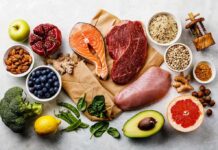
Women who packed their plates with colorful fruits, vegetables, beans, and whole grains had 31 percent lower odds of developing epithelial ovarian cancer than women who ate the least of these foods, according to new research.
Quick Take
- A 2026 case-control study found women eating the most phytochemical-rich plant foods had 31 percent lower odds of epithelial ovarian cancer.
- Researchers used a “dietary phytochemical index” to score how much of a person’s diet came from plant compounds tied to anti-cancer effects.
- The finding matches years of earlier research linking flavonoids, isoflavones, and phytoestrogens to lower ovarian cancer risk.
- Doctors still recommend genetic testing and screening for women with family history, since diet alone won’t erase inherited risk.
What The New Study Actually Found
The study, published in Frontiers in Nutrition in August 2026, compared ovarian cancer patients against a control group without the disease. Researchers scored each woman’s diet using a tool called the dietary phytochemical index, which measures how much of her daily calories came from plant foods loaded with protective compounds like flavonoids and carotenoids.
Women in the top third of that index had 31 percent lower odds of epithelial ovarian cancer than women in the bottom third, with an odds ratio of 0.69. The adjusted model, which accounted for age and other factors, still showed a meaningful drop in risk for every one-unit increase in the phytochemical score.
Epithelial ovarian cancer is the most common form of the disease, starting in the layer of cells covering the ovary. It’s also one of the hardest cancers to catch early, since symptoms often don’t show up until the disease has spread. That makes any diet-based clue about risk worth taking seriously, even as scientists keep digging for the “why” behind the numbers.
This Isn’t A One-Off Finding
This new study lands on top of a decade of similar results. A 2016 meta-analysis pooling five cohort studies and seven case-control studies found dietary flavonoids lowered ovarian cancer risk, with a pooled relative risk of 0.82. Isoflavones, found heavily in soy, showed an even stronger link in that same analysis.
A separate meta-analysis of ten studies found women with higher phytoestrogen intake had a 30 percent lower risk of ovarian cancer, with isoflavones again standing out at a 37 percent reduction. Other work tracing back to the early 2000s found vegetables and lignans tied to lower odds too. The pattern keeps repeating across different populations and research teams.
Soy and isoflavone intake specifically showed an inverse relationship with ovarian cancer risk in earlier population studies as well. Put together, these findings tell a consistent story: women who eat more plants, and specifically more compounds found in soy, vegetables, and whole grains, tend to show up less often in ovarian cancer statistics.
Why Scientists Think Plants Matter Here
Phytochemicals aren’t vitamins or minerals. They’re natural compounds plants make to protect themselves, and some appear to fight cancer cells directly. Laboratory studies show certain phytochemicals can trigger cancer cell death, block inflammation, and interfere with the pathways tumors use to grow and spread.
Chronic inflammation is considered one of the drivers behind ovarian cancer development. Several plant compounds studied, including curcumin, genistein, and quercetin, appear to calm the inflammatory signals tied to tumor growth. That mechanism gives researchers a plausible explanation for why the dietary patterns keep lining up with lower cancer odds across so many different studies.
What This Means For Women Making Food Choices
Nobody is claiming a salad replaces genetic screening or regular checkups. Family history and inherited gene mutations remain the strongest known risk factors for ovarian cancer, and no diet cancels that out. But for the millions of women without a known genetic risk, this research offers something concrete and actionable: eat more plants.
The researchers behind the new study were careful to note their design has limits, since it’s observational and relies on reported diet habits rather than a controlled experiment. Even so, the size of the effect and the consistency with prior research make this a hard pattern to dismiss. Loading up on colorful vegetables, beans, and whole grains costs nothing and carries no downside, while the potential upside now has real numbers behind it.
Sources:
mindbodygreen.com, sciencedirect.com, pmc.ncbi.nlm.nih.gov, pubmed.ncbi.nlm.nih.gov, imrpress.com, academic.oup.com