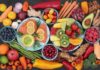
A new study suggests that women who eat a varied diet across multiple food groups may reduce their odds of developing breast cancer by up to 59 percent, offering a compelling argument for ditching monotonous meal routines in favor of colorful, diverse plates.
Story Snapshot
- Research involving 1,200 women found that greater dietary variety correlated with up to 59% lower breast cancer odds compared to limited food choices
- The study emphasizes diverse intake of fruits, vegetables, whole grains, and plant-based foods rather than focusing on single superfoods
- Separate long-term research from the Women’s Health Initiative showed low-fat, high-plant diets reduced breast cancer death risk by 21% over 20 years
- Experts stress these findings represent associations, not proven causation, though they align with decades of observational data on plant-rich eating patterns
The Diversity Advantage in Disease Prevention
The 1,200-woman study stands out for its focus on dietary variety rather than specific foods or nutrients. Women in the highest quartile of dietary diversity showed 59% lower odds of breast cancer compared to those eating the least varied diets. This dramatic difference suggests that rotating through different fruits, vegetables, whole grains, nuts, and legumes delivers benefits that no single food can match. The mechanism likely involves complementary nutrients, phytochemicals, and fiber working together to reduce inflammation and hormone-driven cancer pathways. While the study measured incidence odds rather than mortality, the magnitude of association exceeds typical findings in nutritional epidemiology.
The concept aligns with mounting evidence from Mediterranean diet research, where variety in plant foods correlates with 40% lower risk of estrogen-receptor-negative breast cancers. Polyphenols from olive oil, antioxidants from colorful vegetables, and omega-3 fats from walnuts each contribute distinct protective effects. The American Cancer Society recommends at least 2.5 cups of vegetables and 1.5 cups of fruit daily, but the variety study suggests that what you rotate through your plate matters as much as quantity. Women who consume more than 5.5 servings of fruits and vegetables daily show measurably lower risk than those eating fewer than 2.5 servings.
Long-Term Evidence From Controlled Trials
The Women’s Health Initiative provided gold-standard evidence through a randomized controlled trial spanning two decades. Postmenopausal women who reduced fat intake to 20% of calories while increasing plant foods experienced 21% lower breast cancer mortality compared to control groups consuming 32% fat. This finding emerged from ASCO presentations by the American Institute for Cancer Research, though full publication remains pending. The 21% mortality reduction represents real lives saved, not just statistical odds, making it arguably more meaningful than incidence figures despite the smaller percentage.
The WHI results gained strength from rigorous methodology and extended follow-up. Participants didn’t just shift macronutrients; they fundamentally changed eating patterns toward whole grains, vegetables, and fruits while cutting back on meats and processed foods. The trial demonstrated that dietary interventions can influence cancer outcomes even when started after menopause, challenging assumptions that prevention must begin in youth. The 20-year timeframe also captured delayed effects that shorter studies miss, as dietary changes may take years to alter breast tissue composition and hormonal environments that fuel cancer development.
Mechanisms Behind Plant-Based Protection
Scientific understanding of how diverse plant diets protect against breast cancer has evolved significantly. High-fat diets, particularly those heavy in animal fats, appear to elevate risk through increased estrogen production and chronic inflammation. Plant-based eating patterns counter these pathways through multiple mechanisms: fiber binds estrogen in the digestive tract for elimination, polyphenols act as antioxidants neutralizing DNA-damaging free radicals, and phytochemicals in cruciferous vegetables like broccoli activate detoxification enzymes. Research on Chinese women showed cruciferous vegetable intake specifically correlated with reduced breast cancer incidence.
Whole grains contribute distinct benefits through resistant starches and lignans that modulate hormone metabolism. Walnuts have demonstrated the ability to alter gene expression in ways that suppress cancer cell growth. Even soy foods, once viewed suspiciously due to their estrogen-like isoflavones, now show protective effects in population studies. The UCSF Cancer Center recommends filling at least 50% of each plate with vegetables and consuming 30-45 grams of fiber daily for both prevention and reduced recurrence in survivors. These recommendations reflect understanding that breast cancer risk accumulates through lifetime exposures rather than single dietary choices.
Practical Application and Remaining Questions
Translating research into kitchen practice requires acknowledging both strengths and limitations of current evidence. The 59% variety finding comes from observational data subject to confounding factors; women eating diverse diets may also exercise more, maintain healthier weights, or avoid alcohol. The study relied on self-reported food intake, which carries inherent inaccuracies. Causation remains unproven in the absence of randomized trials specifically testing dietary diversity. That said, the consistency across multiple studies and biological plausibility provide reasonable confidence that varied plant-rich eating genuinely protects against breast cancer.
The economic implications deserve attention. Breast cancer treatment costs approach twenty billion dollars annually in the United States. Even modest risk reductions through accessible dietary changes could substantially reduce this burden while empowering women through preventive action rather than reliance on screening and treatment. Plant-based foods generally cost less than meat-heavy diets, making these interventions feasible across socioeconomic groups. The American Cancer Society emphasizes limiting red and processed meats while prioritizing affordable staples like beans, whole grains, and seasonal vegetables. Minimizing alcohol and refined carbohydrates rounds out evidence-based recommendations that align with principles of balanced nutrition.
Sources:
Low-Fat Diet Reduces Risk of Dying from Breast Cancer in Postmenopausal Women – AICR
More Varied Diet Linked to Lower Breast Cancer Odds – MindBodyGreen
3 Diet Changes That Can Help Lower Your Breast Cancer Risk – American Cancer Society
Nutrition and Breast Cancer – UCSF
Breast Cancer Diet and Nutrition – BCRF
Breast Cancer Foods – Healthline
Can a Healthy Diet Help to Prevent Breast Cancer – National Breast Cancer Foundation
How Food and Exercise Can Decrease Your Breast Cancer Risk – Tufts