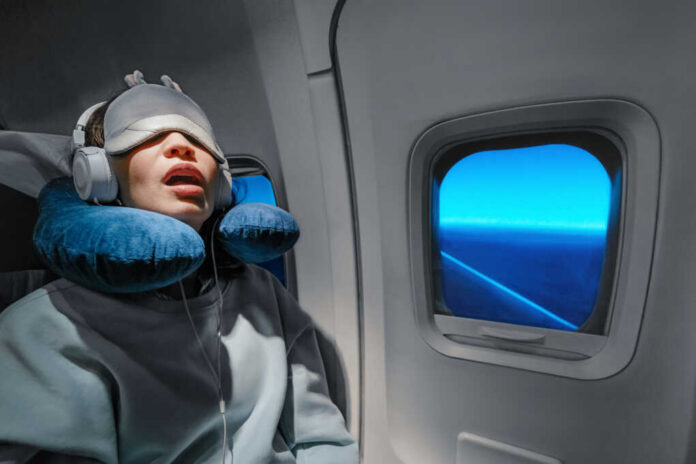
The quest for better sleep has spawned an entire category of headphones engineered specifically to stay comfortable while you’re horizontal, and the options available in 2026 reveal just how seriously manufacturers now take the challenge of helping you drift off without waking up with sore ears.
Story Snapshot
- Ozlo Sleepbuds top expert recommendations for overall performance and comfort during sleep
- Soundcore Sleep A30 features specialized snore-masking technology to combat disruptive nighttime noise
- Eight distinct sleep headphone models cater to different sleeping positions and specific user needs
- Options range from ultra-thin earbuds designed for side sleepers to over-ear designs for back sleepers
- Battery life, comfort materials, and noise cancellation capabilities separate premium from budget options
The Premium Tier Delivers Specialized Solutions
Ozlo Sleepbuds have claimed the top position among sleep audio devices according to Live Science testing, combining ultra-low profile design with effective ambient noise masking. These earbuds prioritize miniaturization without sacrificing audio quality, addressing the primary complaint side sleepers have with traditional earbuds. The Soundcore Sleep A30 takes a different approach, incorporating dedicated snore-masking algorithms that actively monitor and counteract the specific frequency ranges of human snoring. Bose QuietComfort Headphones earn recognition as the best option for back sleepers, offering exceptional battery life that extends through multiple nights before requiring a recharge. These premium options command higher prices but deliver specialized features that generic headphones cannot match.
Versatility Versus Specialization in Mid-Range Models
Sony LinkBuds S represent a crossover approach, functioning equally well during daytime activities and nighttime use. This versatility appeals to consumers who resist purchasing single-purpose devices, though purists argue that dual-purpose designs inevitably compromise on sleep-specific optimization. The LinkBuds S maintain Sony’s reputation for sound quality while incorporating a lighter touch on active noise cancellation compared to their industrial-strength competitors. This middle ground accommodates users who want environmental awareness alongside gentle sound masking. The trade-off manifests in slightly bulkier dimensions than dedicated sleep earbuds, which may matter to committed side sleepers but proves negligible for those who primarily sleep on their backs.
Budget Options Prove Function Matters More Than Form
MUSICOZY, Cozyphones, Perytong, Fulext, and MAXROCK populate the budget-friendly segment of sleep headphones, typically employing headband designs rather than in-ear configurations. These fabric headbands house flat speakers positioned over the ears, avoiding pressure points that plague side sleepers using traditional earbuds. The headband approach sacrifices audio fidelity and noise isolation compared to sealed earbud designs, but the comfort advantage resonates with users who prioritize uninterrupted sleep over audiophile-grade sound reproduction. Battery life varies considerably across these models, with some requiring nightly charging while others last several days. Build quality proves inconsistent in this price range, making warranty coverage and return policies particularly important considerations for budget-conscious shoppers.
Matching Sleep Headphones to Individual Sleep Patterns
Side sleepers face the most restrictive requirements, needing exceptionally thin profiles that won’t create pressure points against pillows. Back sleepers enjoy broader options including over-ear designs that would prove intolerable in lateral positions. Combination sleepers who shift positions throughout the night need compromise solutions, typically finding headband styles most accommodating despite their acoustic limitations. Users in noisy environments prioritize active noise cancellation capabilities, while those in quieter settings may prefer simple white noise or gentle audio playback. The proliferation of specialized options in 2026 reflects manufacturers finally acknowledging that sleep represents a distinct use case requiring purpose-built solutions rather than repurposed daytime headphones.
Sources:
Best Sleep Headphones – Tom’s Guide
Best Sleep Headphones – Live Science
Best Sleep Headphones – Mattress Clarity
Best Headphones for Sleeping – Sleep Foundation