A groundbreaking clinical trial shows that regular aerobic exercise can aid in the reversal of brain aging on MRI scans, offering hardworking Americans a simple, low-cost way to protect their mental sharpness without relying on expensive government health programs or Big Pharma interventions.
Story Highlights
- Year-long trial shows 150 minutes weekly of aerobic exercise reduces brain age by 0.6 years, creating nearly a 1-year advantage over sedentary peers
- Study targets midlife adults (26-58) before cognitive decline appears, proving prevention works decades before symptoms emerge
- Results achieved through accessible activities like brisk walking, bypassing costly medical interventions as dementia cases surge toward 139 million by 2050
- Brain age reversal unexplained by fitness metrics alone, suggesting direct neuroprotective effects that compound over decades
Exercise Reverses Brain Aging in Midlife Adults
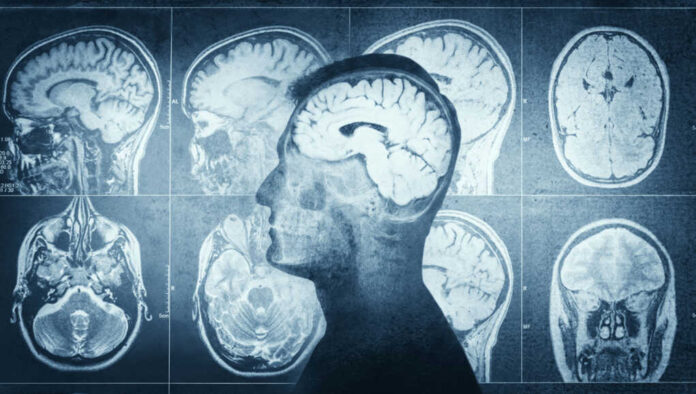
Researchers at AdventHealth Research Institute published results in the Journal of Sport and Health Science on January 22, 2026, demonstrating that 130 healthy adults ages 26 to 58 achieved measurable brain rejuvenation through a simple exercise program. Participants who completed 150 minutes of moderate-to-vigorous aerobic activity weekly—matching American College of Sports Medicine guidelines—saw their brain-predicted age difference drop by approximately 0.6 years over 12 months. Control group members experienced a slight brain age increase during the same period, creating nearly a one-year gap favoring exercisers. This marks the first randomized trial quantifying brain age reversal in younger cohorts using MRI technology.
The trial required two 60-minute supervised sessions weekly plus additional home-based aerobic activities, totaling roughly 150 minutes per week. Lead author Dr. Lu Wan emphasized that this “simple guideline-based program makes the brain look younger over 12 months,” offering hope to families frustrated by rising healthcare costs and government dependency. Senior author Dr. Kirk Erickson noted that nudging the brain younger in midlife could delay cognitive decline that often begins 20-plus years before Alzheimer’s symptoms surface. Unlike reactive studies focused on seniors already experiencing decline, this research empowers individuals to take personal responsibility for brain health during their productive years.
Prevention Over Government Dependence
The study arrives as dementia projections reach crisis levels—78 million cases by 2030 and 139 million by 2050—burdens that exceed cancer and cardiovascular diseases in disability-adjusted life years. These numbers threaten to overwhelm Medicare and Medicaid systems already strained by decades of fiscal mismanagement under previous administrations. AdventHealth’s approach aligns with conservative principles of self-reliance and individual liberty, proving that Americans can protect their cognitive freedom through personal habits rather than waiting for bloated bureaucracies to deliver solutions. The 150-minute weekly standard requires no gym memberships or expensive equipment, just commitment to brisk walking, cycling, or similar activities.
Brain-predicted age difference measures how old a brain appears on MRI scans compared to chronological age, with higher values linked to poorer cognitive performance and dementia risk. The trial’s 0.6-year reduction may seem modest, but researchers note these changes compound over decades when maintained consistently. Dr. Erickson highlighted that midlife intervention provides a “head start” versus late-stage fixes. The brain age improvements occurred independently of fitness levels, brain-derived neurotrophic factor, or body composition changes, suggesting direct neuroprotective mechanisms that scientists are still working to understand fully.
Limitations and Future Research Needs
The study’s participants were predominantly healthy, educated volunteers, raising questions about generalizability across diverse populations and those with existing health conditions. Researchers acknowledge the need for larger, longer-term trials to definitively link brain-PAD reductions to decreased dementia incidence rates. The modest 0.6-year improvement also lacks a clear mechanistic explanation, though complementary research on synaptic protein accumulation with age suggests possible pathways for Alzheimer’s prevention. Critics might exploit these limitations to push for more government-funded research, but the core finding remains: accessible exercise protocols deliver measurable brain benefits without bureaucratic intervention or pharmaceutical dependency.
The trial coincides with 2026 global brain health initiatives including the World Brain Health Forum in Paris, BrainHealth Week hosted by the Center for BrainHealth, and the Davos Brain House—events emphasizing precision medicine, AI diagnostics, and lifelong prevention strategies. While these forums showcase emerging technologies, the AdventHealth findings remind Americans that traditional values like discipline and personal accountability remain foundational to health. As families plan for aging parents and their own futures, this research validates choosing daily movement can help preserve mental sharpness and boost quality of life through generations.
Sources:
World Brain Health Forum 2026 – Paris Brain Institute
These Whole Health Habits May Slow Your Brain’s Aging, Groundbreaking Study Reveals – AdventHealth
MRI scans show exercise can make the brain look younger – ScienceDaily
BrainHealth Week 2026 – Center for BrainHealth
BrainHouse 2026 – Davos Alzheimer’s Collaborative
ASPEN 2026 Aging & Brain Health Workshop – Rutgers
Aging Brains Proteins Cognitive Decline Alzheimer’s Research – Stanford News
Make Healthy Aging a New Year’s Resolution in 2026 – Alzheimer’s Foundation of America