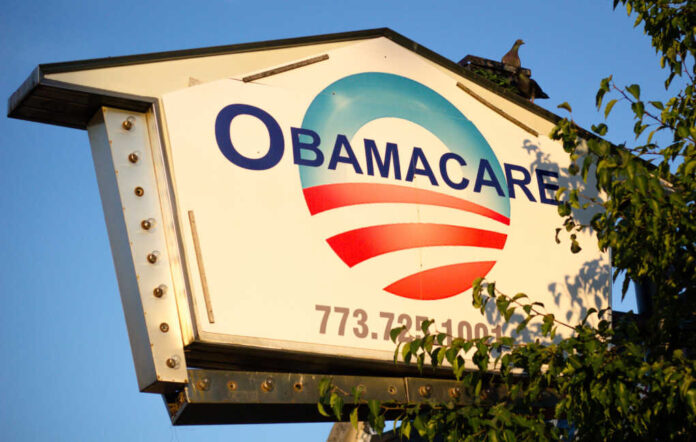
Millions of Obamacare enrollees are bracing for a devastating double hit as premiums skyrocket by 26% while enhanced subsidies expire.
Story Overview
- ACA marketplace premiums rising 26% on average for 2026, with some states seeing 30% increases
- Enhanced premium tax credits expire December 31, 2025, causing average 114% increase in what subsidized enrollees pay
- 22 million Americans receiving subsidies will face premium shock, forcing many into high-deductible bronze plans
- Insurers blame medical inflation, expensive drugs, and expected exodus of healthier enrollees for rate hikes
Premium Crisis Hits Record Numbers
The Affordable Care Act marketplace faces its most severe affordability crisis since implementation, with 24 million enrollees confronting simultaneous premium increases and subsidy cuts. Insurers filed 2026 rate increases averaging 26% across all ACA plans, with benchmark silver plans rising 17% in state-run marketplaces and a crushing 30% in HealthCare.gov states. This represents the steepest premium spike since the 2017-2018 market instability period, threatening to unravel the gains made during record enrollment years.
The timing couldn’t be worse for American families already struggling with inflation. Enhanced premium tax credits enacted during COVID relief and extended through the Inflation Reduction Act are scheduled to expire December 31, 2025, removing the financial buffer that has kept millions in coverage. Without congressional action, the average subsidized enrollee will see their annual premium payments more than double, creating an impossible choice between healthcare coverage and household expenses.
Watch:
Subsidy Cliff Creates Coverage Catastrophe
The expiration of enhanced premium tax credits represents a policy disaster that will devastate working families across income levels. Currently, 22 million of the 24 million marketplace enrollees receive these subsidies, with many low-income families paying zero dollars for silver plans that offer reduced deductibles below $100. When credits expire, these same families will face premiums consuming up to 4% of their income while being forced into bronze plans with deductibles exceeding $7,000.
Kaiser Family Foundation surveys reveal the human impact of this government-created crisis. Nine out of ten enrollees expect the subsidy expiration to affect their costs, with 69% anticipating a major financial impact. Many respondents indicated they cannot afford even modest increases of $300 annually, highlighting how enhanced subsidies created dependency rather than genuine affordability. This policy cliff exemplifies how temporary government interventions create unsustainable expectations and market distortions.
Obamacare Users Face Higher Deductibles and Higher Premiums https://t.co/SNMbpErGIF
— NewYorkistanian (@fawzianaqvi1) December 8, 2025
Got a health question? Ask our AI doctor instantly, it’s free.
Market Forces Drive Unsustainable Cost Spiral
Insurers attribute premium increases to escalating medical costs, including expensive GLP-1 medications like Ozempic, rising hospital prices, and specialty drug utilization. However, they also cite a critical factor: anticipated adverse selection as healthier enrollees abandon coverage when subsidies disappear. This exodus adds approximately 4 percentage points to premium increases, creating a death spiral where declining enrollment among healthy individuals drives costs higher for remaining participants.
The regulatory framework underlying Obamacare continues generating these predictable market failures. Guaranteed issue requirements, community rating restrictions, and essential health benefit mandates artificially inflate premiums while high-deductible designs shift costs to consumers at point of service. Enhanced subsidies merely masked these structural problems rather than addressing root causes, creating the illusion of affordability while federal spending soared and underlying healthcare costs continued climbing unchecked.
Meet My Healthy Doc – instant answers, anytime, anywhere.
Sources:
ACA Insurers Are Raising Premiums by an Estimated 26%, but Most Enrollees Could See Sharper Increases in What They Pay
Universal, Permanent Health Insurance Relief
2025 KFF Marketplace Enrollees Survey
Enhanced Premium Tax Credits: Who Benefits, How Much, and What Happens Next?