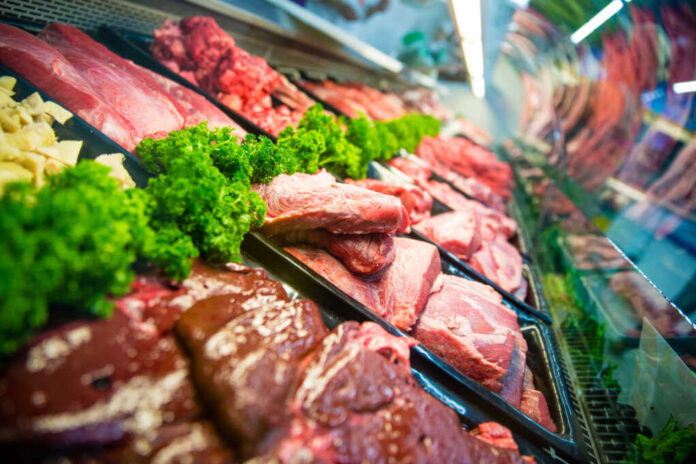
A groundbreaking study reveals that lean beef consumed within a Mediterranean diet may not be the cardiovascular villain we’ve been led to believe it is.
Story Highlights
- Penn State researchers found moderate lean beef consumption in Mediterranean diets doesn’t increase heart disease risk markers
- Study measured TMAO levels, a gut metabolite linked to cardiovascular disease, finding no increases with 2.5 ounces of daily lean beef
- Controlled feeding trial challenges decades of dietary guidance discouraging beef consumption
- Dietary context matters more than beef presence, emphasizing whole eating patterns over individual food restrictions
The TMAO Discovery That Changes Everything
Scientists at Penn State University and the USDA have turned conventional wisdom about red meat on its head. Their rigorous controlled-feeding trial examined trimethylamine N-oxide (TMAO), a gut metabolite that serves as an emerging predictor of cardiovascular disease risk. Unlike previous observational studies that painted beef with a broad brush, this research specifically measured how lean, unprocessed beef affects this critical biomarker when consumed as part of a Mediterranean-style eating pattern.
The results defied expectations. Participants consuming 2.5 ounces of lean beef daily within Mediterranean diets showed no increase in TMAO levels compared to those following standard American eating patterns. Even more surprising, their blood pressure readings actually improved, suggesting the nutrient-rich Mediterranean framework provided protective benefits that offset any potential risks from beef consumption.
Watch;
Thirty Adults, Four Diets, One Revolutionary Finding
The study’s design eliminated the confounding variables that plague most nutrition research. Thirty relatively young, healthy adults participated in a crossover trial where they consumed four different diets for four weeks each, with one-week breaks between dietary periods. This controlled approach allowed researchers to isolate the specific effects of varying beef quantities within different dietary contexts, providing far stronger evidence than typical observational studies.
Lead researcher Kristina Petersen emphasized the importance of this methodology: “Observational evidence shows higher levels of TMAO are associated with higher cardiovascular risk. In this study we wanted to better understand the relationship between lean beef consumption and TMAO levels in the context of a healthy, Mediterranean style diet.” The researchers tested three different beef quantities alongside Mediterranean diets and compared results to standard American eating patterns.
Context Trumps Content in Cardiovascular Protection
The most striking revelation from this research centers on dietary context rather than individual food components. Doctoral candidate Zachary DiMattia noted that they specifically chose 2.5 ounces of lean beef because it approximates average American consumption levels. The fact that this quantity produced no adverse effects when embedded within a Mediterranean framework suggests that surrounding foods and overall eating patterns determine cardiovascular outcomes more than beef presence alone.
Rather than demonizing individual foods, the research supports a holistic view where vegetables, whole grains, legumes, and healthy fats within Mediterranean diets create a protective environment that allows moderate beef consumption without increasing disease risk.
The Limitations That Keep Scientists Humble
While these findings offer encouraging news for beef consumers, researchers acknowledge important caveats that prevent sweeping generalizations. The study involved relatively young, healthy adults over short four-week periods, leaving questions about applicability to older populations or individuals with existing cardiovascular disease. Additionally, the scientific consensus on TMAO remains mixed, with roughly half of studies showing red meat increases this marker while others find no association.
Sources:
PubMed – Lean Beef Study
Healthline – Lean Beef and Heart Health
Penn State University – Eating Lean Beef Research
American Heart Association Journal – Full Study
Purdue University – Red Meat Metabolic Effects
USDA – Saturated Fat and Cardiovascular Disease