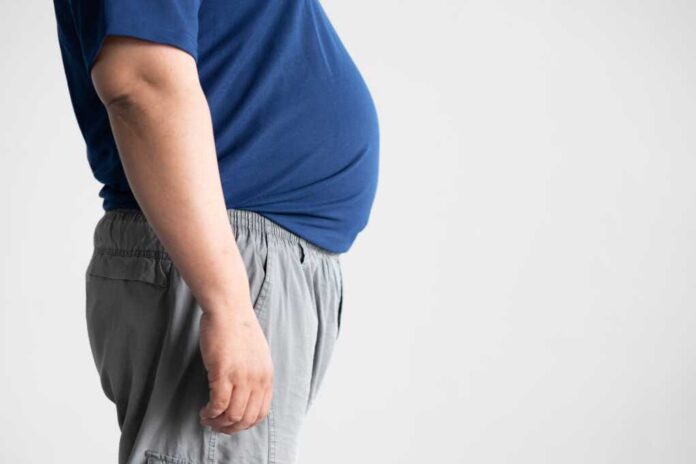
For the first time in decades, American obesity rates are falling—and it’s not kale salads or Peloton bikes behind the shift, but a new class of blockbuster drugs that are quietly rewriting the rules of health.
Story Snapshot
- The U.S. adult obesity rate has dropped from nearly 40% to 37% in just three years, reversing a decades-long trend.
- GLP-1 weight loss drugs like Ozempic and Wegovy are directly linked to this unprecedented decline.
- Women and Americans aged 40–64 are leading both the drop in obesity and the surge in prescriptions.
- Questions about cost, access, and the long-term effects of these medications are now front and center in the national debate.
America’s Obesity Rate Drops—A Medical Revolution, Not a Fad Diet
Gallup’s 2025 national survey delivers a jolt: after years of steady increases, the U.S. adult obesity rate has dropped to 37%, down from almost 40% in 2022. That’s a reduction of 7.6 million obese adults—a number that no diet craze or fitness campaign has ever achieved. The catalyst isn’t a cultural shift toward salad bars or boot camps. It’s the widespread adoption of GLP-1 receptor agonists, prescription drugs like Ozempic and Wegovy, originally designed for diabetes but now repurposed as highly effective weight loss treatments.
Ozempic, Wegovy, and their pharmaceutical kin aren’t just nibbling at the edges of the problem. By early 2025, over 12% of U.S. adults—more than double the rate from a year earlier—report using these medications. The effect is so rapid and pronounced that experts no longer debate whether these drugs work, but how accessible and sustainable their use can be. Data show women and Americans in the 40–64 age bracket are especially likely to embrace these treatments, fueling a demographic shift in who benefits from medical weight loss.
Watch:
The Road to Rapid Adoption: From Diabetes Treatment to Obesity Solution
GLP-1 drugs began as diabetes treatments, but clinical trials in the early 2020s revealed their astonishing impact on weight. Typical users lost 6% to 20% of their body weight, handily outpacing older diet pills or even some surgical interventions. The FDA’s landmark 2021 decision to approve these medications for weight loss unleashed pent-up demand, and within three years, prescriptions skyrocketed. National news coverage and word-of-mouth from patients who shed dozens of pounds did what decades of public health campaigns could not: they made medical weight loss mainstream, even aspirational. Supply could barely keep up as pharmacies reported shortages and insurance companies scrambled to decide what, if anything, they would cover.
Who Wins, Who Waits: Access, Cost, and the Politics of Weight Loss Medication
The new era of pharmaceutical weight loss is not without its own divides. GLP-1 drugs are expensive, often costing upwards of $1,000 per month without insurance. Those with good coverage or the means to pay out of pocket are far more likely to get these prescriptions—leaving lower-income Americans, rural residents, and some communities of color underserved. Policymakers now face pressure to make these drugs more widely available, with some advocating for expanded insurance coverage and others warning of spiraling healthcare costs.
Sources:
Healthline: Obesity Rate Declining Weight Loss Drugs Gallup Poll
CBS News: Obesity Rate Declining Weight Loss Drugs
SingleCare: Ozempic Statistics
Columbia Surgery: Ozempic Effect Medical Weight Loss
White House: Fact Sheet on Drug Pricing
ScienceAlert: US Obesity Rates Have Dropped
Obesity Medicine: Weight Loss Medications