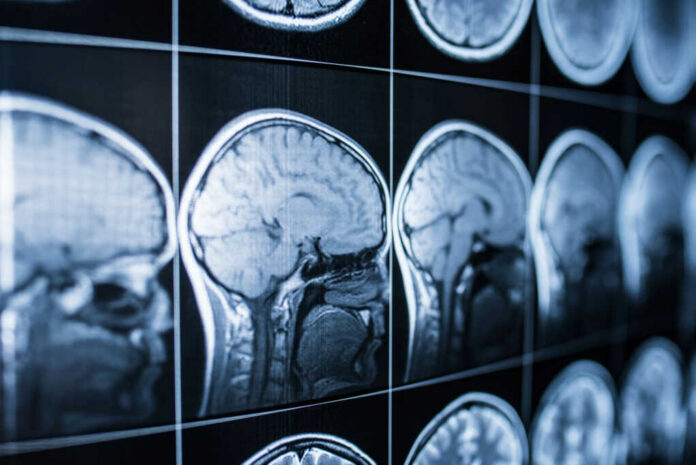
New brain research reveals a simple mental skill that could help you maintain cognitive sharpness.
Story Highlights
- Task-switching training improves processing speed and executive function, combating cognitive decline starting at age 35
- University of Texas study uses brain imaging to show training one skill transfers to untrained cognitive abilities
- Low-cost activities like card games provide accessible alternatives to expensive brain training apps and programs
- Research demonstrates personal responsibility and simple lifestyle choices can maintain mental acuity without government intervention
Brain Training Breakthrough Shows Transferable Cognitive Benefits
Researchers at the University of Texas at Dallas Center for Vital Longevity published groundbreaking findings in August 2024 demonstrating that task-switching training produces measurable improvements across multiple cognitive domains. Dr. Chandramallika Basak’s team used functional MRI technology to identify specific brain regions activated during task-switching exercises, revealing how training in one area enhances untrained skills like memory and attention. This research challenges the notion that expensive, specialized interventions are necessary for cognitive health, instead validating accessible activities that everyday Americans can incorporate into their lives without relying on costly programs or government-funded initiatives.
Processing Speed Decline Begins Earlier Than Most Americans Realize
Personal responsibility for health begins early and requires consistent effort. Cognitive decline, particularly in processing speed, starts at age 35, far younger than most people realize. Lead author Paulina Skolasinska identified processing speed as the key mechanism underlying cognitive transfer effects, meaning improvements in how quickly the brain processes information cascade into better performance across various mental tasks. This finding empowers individuals to take control of their cognitive health through simple, proven methods rather than waiting for bureaucratic health systems to intervene. The research supports traditional values of self-reliance and proactive personal maintenance.
Affordable Activities Outperform Expensive Brain Training Programs
While brain training apps and commercial programs have flooded the market with expensive subscriptions, the research validates low-cost alternatives that deliver comparable or superior results. Card games, language learning, puzzles, and similar activities engage the same task-switching mechanisms identified in Basak’s fMRI studies. Harvard Health research reinforces that complex practice builds permanent cognitive improvements, suggesting that traditional hobbies and family activities provide effective training without corporate middlemen. Americans over 40 can maintain mental sharpness through activities their grandparents enjoyed, without inflated costs or technological dependencies.
Left Brain Activation Predicts Cognitive Improvement Across Tasks
Basak’s team discovered that activation in the left frontoparietal regions of the brain during task-switching training predicted improved performance on completely unrelated cognitive tasks. This neural mechanism explains why practicing one skill strengthens broader mental capabilities, supporting the brain’s natural plasticity. Interestingly, right-hemisphere activation showed detrimental effects in aging populations, suggesting that specific training approaches matter more than generic mental stimulation. These findings demonstrate that targeted, evidence-based activities outperform scattershot approaches promoted by wellness industries. The research provides scientific validation for disciplined, focused practice over trendy interventions.
Personal Responsibility Trumps Government Health Interventions
The implications of this research extend beyond neuroscience into philosophy of governance. Accessible, low-cost cognitive training demonstrates that individuals can maintain health without bureaucratic programs, expensive healthcare interventions, or government mandates. The study’s emphasis on activities like card games, language learning, and puzzles highlights solutions that require no federal funding, no regulatory oversight, and no expansion of government reach into personal health decisions. This research empowers Americans to take charge of their cognitive future through discipline and traditional activities. As processing speed and executive function decline with age, simple daily practices provide effective countermeasures that preserve independence and reduce reliance on costly healthcare systems.
Sources:
UT Dallas News – Brain Research Shows Task-Switching Training Maintains Mental Acuity
PMC – Effects of Brain Training Games on Cognitive Function
Harvard Health – Train Your Brain
Altoida – Brain Boosting Activities for Mental Sharpness
Healthline – Brain Exercises for Mental Health
Stanford Lifestyle Medicine – Activities for Brain Health
Mind & Life Institute – Well-Being is a Skill