The fastest way to turn “manageable anxiety” into a full-body alarm bell is to feed it the wrong kind of fuel.
Quick Take
- Caffeine, sugar, refined carbs, alcohol, and ultra-processed foods commonly worsen jitters, sleep, and mood stability.
- The repeat offenders share a pattern: they spike, crash, inflame, or overstimulate—then anxiety fills the gap.
- The most practical strategy is substitution and dosage control, not dramatic elimination that backfires.
Caffeine: the respectable drug that masquerades as breakfast
Caffeine earns its reputation because it works. It also mimics the physical side of anxiety: a faster heart rate, shakier hands, that wired edge that turns a normal worry into a spiraling narrative. People differ wildly in sensitivity, and midlife bodies often tolerate less than they did at 25. Add poor sleep and stress, and caffeine stops being a productivity tool and starts being gasoline. Dose and timing matter more than moralizing.
Sugar: the mood elevator that drops without warning
Sugar doesn’t just sweeten; it yanks the steering wheel. Many people feel a quick lift, then a crash that looks a lot like anxiety: irritability, restlessness, brain fog, a sense that something is “off.” That doesn’t mean sugar causes an anxiety disorder, but it can amplify symptoms you already fight. When the body starts chasing another hit to feel normal again, the day becomes a cycle of spikes and emotional whiplash.
Refined carbohydrates: “comfort food” that can destabilize comfort
Refined carbs—white bread, pastries, many boxed snacks—often behave like sugar in the bloodstream. They digest fast, hit hard, and leave you hungry and unsettled. Some studies and reviews link high refined-grain patterns with worse anxiety and depression markers, but the strongest takeaway is practical: fast carbs encourage fast mood shifts. Whole-food carbs tend to come with fiber and slower absorption, which supports steadier energy and fewer false alarms.
Alcohol: the nightcap that mortgages tomorrow morning
Alcohol’s initial effect can feel like relief—tension loosens, self-consciousness fades. Then the bill arrives. Alcohol disrupts sleep architecture, and fragmented sleep is a known anxiety accelerant. Many people also experience rebound anxiety as alcohol clears, especially after heavier drinking. If you’ve ever woken at 3 a.m. with a racing mind after “just a few,” you’ve felt the mechanism without needing a textbook: sedation isn’t restoration.
Ultra-processed and fried foods: inflammation, gut disruption, and the modern anxiety loop
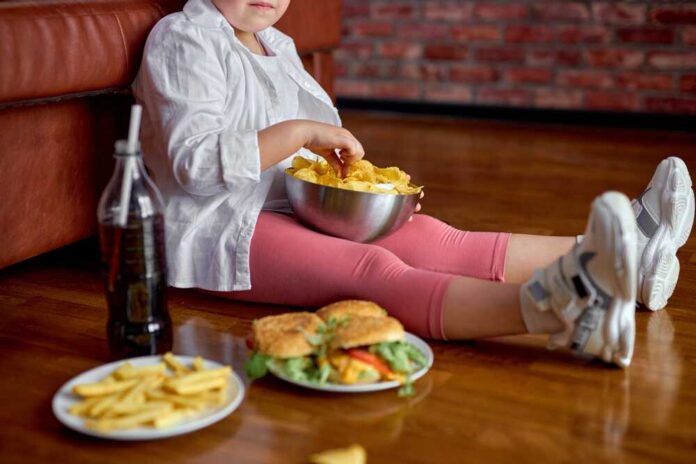
Ultra-processed foods aren’t bad because they’re “fun.” They’re risky because they concentrate refined starches, industrial fats, additives, and salt into combinations that can crowd out real nutrition. Several medical voices tie heavily processed patterns to inflammation and gut microbiome disruption—two themes that keep showing up in gut-brain research. You don’t need to blame a single ingredient; the broader pattern matters: when a diet becomes mostly packaged, the nervous system often pays.
The trap: elimination diets that create a new kind of anxiety
Food fear can become its own disorder. People who start slicing out entire categories sometimes end up hypervigilant, socially isolated, and convinced one accidental bite will undo them. That’s not health; that’s anxiety wearing a wellness costume. The smarter approach is a short list of high-impact changes you can sustain: reduce late-day caffeine, trade refined carbs for high-fiber versions, treat alcohol as occasional, and make real meals the default.
What to do this week if you want calmer days without drama
Run a simple, adult experiment. Pick one lever for seven days: cap caffeine earlier, remove sugary snacks between meals, or swap refined carbs for whole grains and protein. Keep everything else stable, then watch your sleep and baseline tension. If the result is noticeable, you’ve found a trigger worth managing. If it’s subtle, don’t despair; anxiety rarely has one cause. The win is fewer avoidable spikes and more control.
The headline promise of “five foods” sells because it feels actionable. The real value is more sober: your nervous system responds to inputs, and modern food pushes those inputs to extremes. Personal responsibility fits neatly here, not as blame, but as leverage. You can’t control every stressor, but you can control whether breakfast secretly acts like a stimulant pill, whether lunch sets up a crash, and whether night drinking steals tomorrow’s calm.
Sources:
10 of the Worst Foods and Drinks for Anxiety
Surprising Foods That Trigger Anxiety
Coping With Anxiety: Can Certain Foods Increase Anxiety?
Slideshow: Foods to Avoid for Anxiety and Depression
The Best and Worst Foods for Anxiety
Connection Between Food and Anxiety
Generalized Anxiety Disorder: Coping With Anxiety