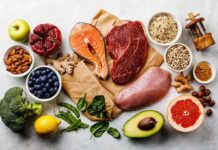
Four supplements—creatine, HMB, beta-alanine, and taurine—claim to battle age-related muscle loss, but mainstream science spotlights proven nutrients like vitamin D and omega-3s instead, raising questions about hype versus real protection for your strength after 60.[2][1]
Story Snapshot
- Creatine preserves muscle mass in older adults, backed by Healthline and Ohio State reviews.[1]
- Vitamin D regulates calcium and protein synthesis, slashing fall risk and boosting strength.[2][1]
- Omega-3 fatty acids curb inflammation and enhance protein building when paired with fish-rich diets.[2][1]
- Magnesium supports muscle contraction and recovery, often deficient in seniors.[2]
- Whole foods and exercise outperform isolated supplements for lasting muscle health.[5]
Understanding Sarcopenia’s Silent Toll
Sarcopenia strikes after age 50, stripping 3-5% of muscle mass yearly without intervention. Older adults lose strength, grip, and mobility, hiking fall risks and frailty. Ohio State experts pinpoint daily protein and calorie intake as first-line defenses, slowing decline through resistance training paired with nutrition. This condition demands proactive steps, as bodies process protein less efficiently with age.[7]
Vitamin D Drives Muscle and Bone Resilience
Vitamin D receptors in muscle cells link deficiency to weakness, slow gait, and falls.[2] Sunlight synthesizes it, but aging skin produces less; fatty fish, fortified dairy, and eggs supply dietary sources.[2][1] Harvard Health reports supplements improve strength and balance in deficient seniors.[2] Protein synthesis and calcium absorption rely on it, fortifying both muscle contraction and bone health.[1][2]
Studies show consistent intake protects against sarcopenia, though results vary if levels already suffice.[1]
Omega-3 Fatty Acids Fight Inflammation
Omega-3 fatty acids from salmon, sardines, walnuts, and flaxseeds dampen chronic inflammation fueling muscle loss.[2] A 2021 study found two weekly fish servings boosted mass, grip strength, and walking speed in midlife and older adults.[2] They amplify protein synthesis, especially with resistance training.[1]
Healthline confirms seafood or supplements spur growth at any age, synergizing with exercise for superior strength gains.[1] Prioritize food sources; pills suit those avoiding fish, but whole diets yield broader benefits.[2]
Magnesium and Creatine’s Proven Edge
Magnesium powers over 300 reactions for muscle contraction, relaxation, protein creation, and inflammation reduction.[2] Leafy greens, beans, nuts, seeds, and grains deliver it, countering senior shortfalls from poor appetite.[2] A 2022 study ties adequate intake to sarcopenia prevention.[2]
Creatine naturally occurs in muscles and meats, preserving mass and aiding bone strength.[1] Ohio State notes it builds and maintains muscle despite water retention side effects. Evidence supports it for older adults, though large trials quantify benefits best with exercise.[1]
Harvard prioritizes these over trendy stacks, as facts favor accessible nutrients aligning with prudent, no-nonsense health strategies.[2]
Why Whole Foods and Habits Trump Hype
AARP lists milk, yogurt, beans, and sweet potatoes for protein, leucine, and antioxidants safeguarding grip strength.[5] Mediterranean diets rich in plants and lean proteins shield against loss, unlike processed Western fare.[5] Hydration and calories sustain function.[1]
Claims for beta-alanine, HMB, and taurine lack robust senior-specific data, absent from top sources.[1][2][5] Protein at 25-30 grams per meal, via whey, meat, or soy, regulates growth via leucine.[1] Exercise remains king—combine with these for reversal potential.[5] Supplements like vitamin D fill gaps, but discipline delivers enduring vitality.[2][5]
Sources:
[1] Web – How to Manage Sarcopenia (Muscle Loss Due to Aging) – Healthline
[2] Web – Beyond protein: 6 other nutrients that help prevent muscle loss
[5] Web – 8 Foods to Protect Your Muscles as You Age – AARP
[7] Web – Nutrition and Sarcopenia—What Do We Know? – PMC