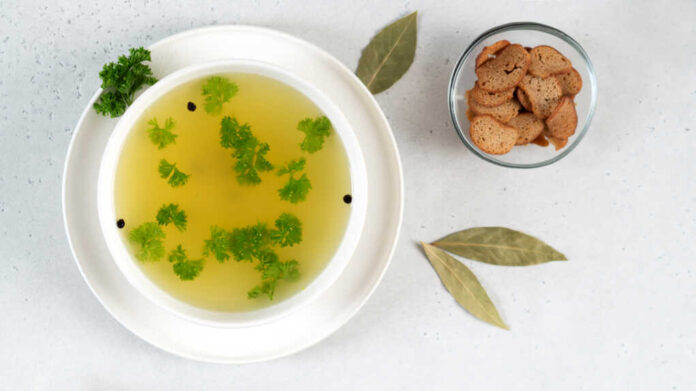
That turkey carcass sitting in your refrigerator after the holiday feast isn’t garbage—it’s liquid gold waiting to transform into one of nature’s most nutrient-dense superfoods.
Story Highlights
- Turkey bone broth extracts collagen and minerals through 8-24 hour simmering process
- Ancient cooking technique dates back to prehistoric times when humans first used cooking vessels
- Multiple preparation methods include stovetop, slow cooker, and pressure canning options
- Proper technique requires acid addition and collagen-rich components like necks and wing tips
The Ancient Art Hidden in Your Kitchen Scraps
Your grandmother knew something modern kitchens forgot. That turkey skeleton represents one of humanity’s oldest nutritional practices, with evidence tracing bone broth preparation to prehistoric times when early humans first developed cooking vessels. The gelatin that forms when your broth cools signals successful collagen extraction—the same compound that supported our ancestors through harsh winters and healing periods.
The process transforms discarded bones into concentrated nutrition through extended simmering that breaks down connective tissues and releases minerals directly into an easily digestible form. This isn’t trendy wellness marketing—it’s fundamental food science that sustained civilizations before supplementation existed.
Watch:
The Science Behind the Simmer
Successful turkey bone broth requires specific components and techniques that maximize collagen extraction. The most valuable parts include necks, wing tips, feet, and skin with rendered fat—elements that contain the highest concentration of connective tissue. Adding apple cider vinegar breaks down bone structure and enhances mineral release during the cooking process.
The extended cooking time of 8-24 hours distinguishes bone broth from regular stock. This prolonged simmering period allows complete breakdown of collagen into gelatin, creating the characteristic texture that indicates nutritional density. The resulting liquid should gel when refrigerated, demonstrating successful collagen extraction that provides bioavailable nutrients your body recognizes and utilizes efficiently.
Multiple Methods for Modern Kitchens
Contemporary preparation accommodates different schedules and equipment through three primary methods. Stovetop simmering provides traditional control with 12-24 hour cooking times, while slow cooker methods reduce active monitoring to 8-12 hours. Pressure canning offers preservation benefits for long-term storage and batch preparation.
Each method produces similar nutritional results when proper technique and timing guidelines are followed. The key variables remain consistent: adequate collagen-rich bones, acid addition, sufficient water coverage, and extended cooking periods that allow complete tissue breakdown. Success indicators include rich color, robust flavor, and gelatin formation upon cooling.
Sources:
How to Make Roast Turkey Stock – The Delicious Life
Los Angeles Times Archives – December 26, 1991
The Truth About Bone Broth – Mashed