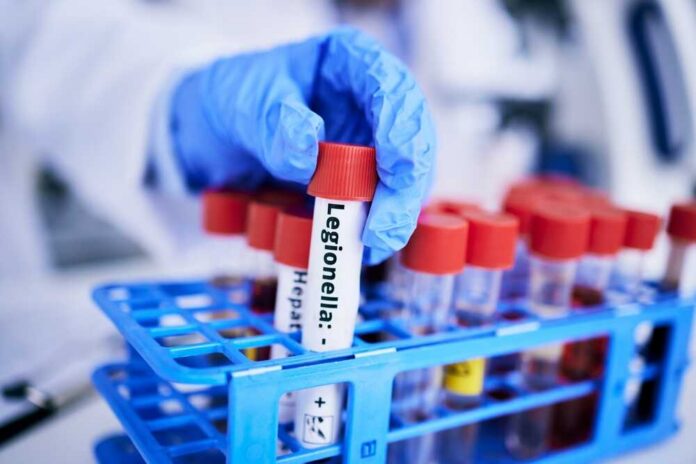
A routine inflammation blood test might soon help sort who stays stuck in depression and who finally gets their life back.
Story Snapshot
- A simple high-sensitivity C‑reactive protein blood test may flag a hidden inflammatory type of depression
- A powerful arthritis drug, tocilizumab, is being tested as an add‑on for people whose depression ignores standard pills
- Early research shows mixed signals: one small trial hints at benefit, another study found worse mood
- The real fight is over hype versus hard data, and who gets to call something a “breakthrough”
How a routine blood test crashed the depression story
Most people still hear one story about depression: your brain chemicals are off, take a pill, problem solved. Anyone who has lived through treatment-resistant depression knows how false that can feel. Many try two, three, even four antidepressants and still slog through each day. Now researchers are chasing a different clue. Some patients carry chronic inflammation in their blood, often tied to higher body weight and metabolic strain, and those markers may matter.
High-sensitivity C-reactive protein, often shortened to hs-CRP, is one of those quiet markers. Doctors already use it to gauge heart and vascular risk. A growing set of studies links raised hs-CRP to stubborn depression, especially in people with higher body mass index, the ratio of weight to height used to define overweight and obesity. One recent report found that patients with lower body weight were actually more likely to have shock-resistant depression, hinting that simple weight alone is not the whole story either.[1]
The pitch: calm the immune system, calm the mind
Tocilizumab is not a gentle vitamin. It is a lab-made antibody that blocks the receptor for interleukin-6, a key inflammatory signal. The drug is already approved for rheumatoid arthritis, juvenile arthritis, giant cell arteritis, systemic sclerosis-related lung disease, and some severe cases of coronavirus disease.[7] It can help control runaway immune activity, but it does so by weakening parts of the immune system, which raises the risk of serious infections and other heavy side effects.[6]
Because interleukin-6 levels often rise in chronic inflammation, and inflammation links to some depression, a group at Massachusetts General Hospital asked a hard question: what if blocking this pathway helps the specific group of depressed patients whose blood shows that inflamed pattern? Their clinical trial, registered under the code NCT02660528, set out to test tocilizumab as an add-on in people with major depression who had already failed standard treatments.[7] The vision was “precision psychiatry” in action: match a drug to a biological profile, not just a list of symptoms.
The early trial that lit up the headlines
In the pilot trial published in JAMA Psychiatry, only about 30 people with treatment-resistant depression took part.[4] Some received a single infusion of tocilizumab, while others received placebo. The main scores comparing groups did not show large, clear differences, which the authors admitted was expected in such a small study.[4] But when they looked at individual items on a standard depression scale, tocilizumab seemed to ease eight symptoms, including tiredness, poor concentration, low energy, worthlessness, agitation, and appetite problems.[4]
Media coverage did the rest. Secondary reports framed the drug as showing “promise” for hard-to-treat depression, and some online videos jumped straight to “scientists discover a new depression treatment.”[4] That kind of hype plays well on social platforms, especially for people desperate for relief. But the fine print matters. The study was tiny. The most eye-catching signal seemed limited to patients who had both higher body mass index and higher hs-CRP. And the public record does not clearly show whether that subgroup split was planned ahead of time or dug out after seeing the data.[4][7]
The awkward fact: another study saw depression get worse
Supporters of inflammation-based psychiatry have to wrestle with a major problem. In a different trial of medically ill patients, preemptive tocilizumab did not lift mood; it did the opposite. Patients who received the interleukin-6 blocker showed higher depression scores 28 days later, not lower, leading the researchers to conclude that there were “significantly more—not less—depressive symptoms.”[2] That result undercuts any simple claim that blocking interleukin-6 is a mood booster.
On the other side, a meta-analysis in people with rheumatoid arthritis found that tocilizumab monotherapy was linked to a lower risk of depression symptoms overall, but the authors stressed that longer-term studies are still needed to confirm this possible benefit.[6] So we have one negative trial in medically fragile patients, one cautiously positive signal in treatment-resistant depression, and pooled arthritis data suggesting a modest protective effect. That mix leaves plenty of room for confusion, and even cherry-picking, by commentators on both sides.
Why your hs-CRP might still be worth knowing
None of this means hs-CRP is useless. For many people, a high hs-CRP level is a bright red flag for silent inflammation tied to weight, diet, sleep, or other chronic strain. That same pattern raises the risk of heart disease and diabetes. Tackling those drivers through weight loss, better food, movement, and careful medical care can pay off across the board, including mood. Pills that weaken the immune system should be the last step, not the first hope.
The smart path looks clear. Researchers need to open their full protocols and analysis plans, share raw data where possible, and run large, transparent trials focused on the subgroup story they now promote. Media voices should stop calling every small, early study a “paradigm shift.” And patients should demand both honesty and humility before anyone sells them on a “precision” cure drawn from a single needle of blood.
Sources:
[1] Web – What A Common Blood Test Might Reveal About Hard-To-Treat Depression
[2] Web – Treatment-resistant depression linked to body mass index: study
[4] Web – The IL-6 antagonist tocilizumab is associated with worse depression …
[6] Web – Antidepressants and Weight Changes – News-Medical.Net
[7] Web – Tocilizumab Reduces Depression Risk in Rheumatoid Arthritis …
[8] Web – NCT02660528 | Tocilizumab Augmentation in Treatment-Refractory …