Could your morning bacon habit be a ticking time bomb for colon cancer? Let’s dive into the details and find out.
At a Glance
- Colon cancer is hitting younger adults hard, with lifestyle choices to blame.
- Screening age has been lowered to 45 to catch cases early.
- More than half of colon cancer cases are preventable through lifestyle changes.
- Processed meats are under fire for increasing colon cancer risk.
The Rising Young Adult Epidemic
Colon cancer, once the bane of older generations, is now creeping into younger demographics. Since the mid-1990s, cases in adults under 50 have been steadily increasing by 1-2% annually. Why the sudden youth invasion? Diet, sedentary lifestyles, and obesity are the prime suspects. The American Cancer Society responded by lowering the recommended screening age from 50 to 45, hoping early detection will outpace this unsettling trend.
Processed meat is a carcinogen
Full stop
Colorectal cancer rates have surged since the 1930s, and it’s no coincidence
Over the same decades, our diets have shifted dramatically toward ultra-processed, nutrient-poor, calorie-dense foods packed with sugar, sodium, and additives… pic.twitter.com/WMnJUNySTR
— FoundMyFitness Clips (@fmfclips) May 26, 2025
Despite the uptick in youthful diagnoses, older adults still see declining rates of colon cancer. Credit goes to lifestyle changes and the faithful colonoscopy, which has become a rite of passage for many over 50. However, the rise in young adult cases signals a wake-up call for everyone, regardless of age, to reassess their lifestyles.
Lifestyle Choices: The Good, The Bad, and The Ugly
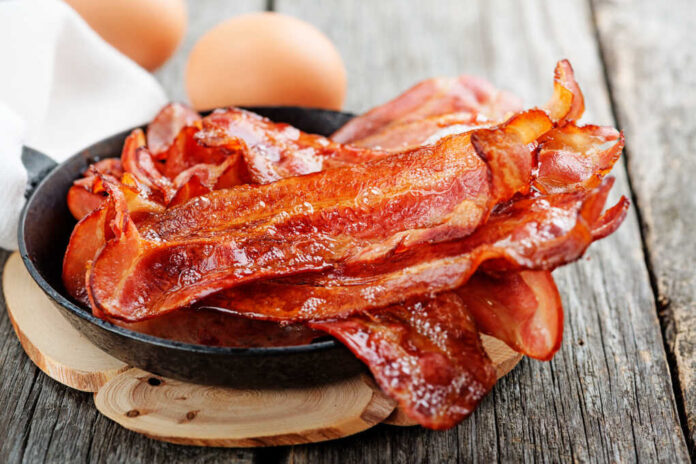
Let’s face it, the morning bacon sizzling in the pan smells like heaven but could be harboring hellish consequences. Processed meats are classified as a type 1 carcinogen, meaning they’re in the same company as tobacco. Each 50 grams of daily consumption hikes your colon cancer risk by 18%. Giving up that bacon might just save your bacon.
On the flip side, increasing your fiber intake is a golden ticket to a healthier colon. High-fiber diets are consistently associated with lower colon cancer risk, but sadly, most Americans fall short of the recommended daily fiber intake. More roughage, less rough rides to the oncology ward.
Watch: Processed Meat and Cancer Risks: What Research Shows
Get Moving: Exercise Your Right to Stay Healthy
If you needed another reason to dust off those sneakers, here it is. More than seven hours of physical activity per week has been linked to a 40% reduction in colon cancer risk. Exercise not only helps maintain a healthy weight but also boosts metabolic and gut health. So, whether it’s a brisk walk or a full-on gym session, your colon will thank you.
Vitamin D and garlic are also stepping into the spotlight. Higher vitamin D intake is associated with a 25% reduction in colon cancer risk. Meanwhile, garlic, with its antioxidant powers, might just be the vampire-slaying, cancer-fighting hero you didn’t know you needed. Some studies show it can lower colon cancer risk by up to 29%.
A Future of Fewer Colon Cancer Cases
The path to fewer colon cancer cases is paved with lifestyle changes. More than half of colon cancer cases are preventable, a testament to the power of modifiable behaviors. Early screening and healthy habits are not just recommendations; they’re lifelines. As research continues to unravel the mysteries of rising colon cancer in young adults, one thing is clear: prevention is within our grasp.
It’s time to consider the long-term implications. In the short-term, increased awareness and earlier screening could lead to more early-stage diagnoses and improved survival rates. Long-term, adopting healthy lifestyle habits could significantly reduce colon cancer incidence and healthcare costs.