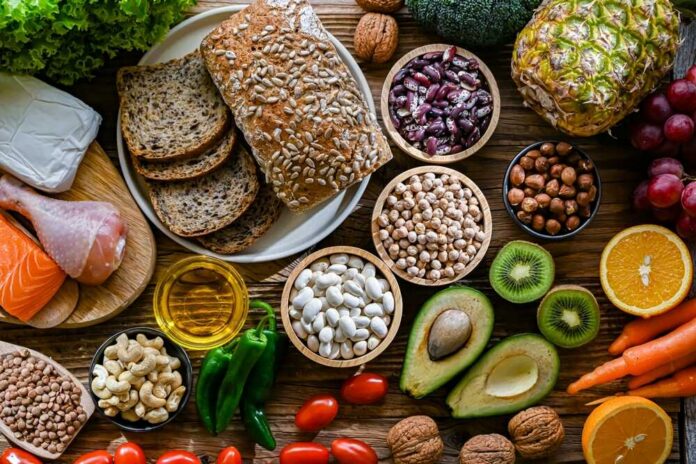
The truth about metabolism-boosting foods is far less dramatic than the headlines promise, yet the science reveals specific edibles that genuinely force your body to work harder during digestion.
Story Snapshot
- No single food earns an “A++” grade for metabolism boosting; research identifies multiple options with modest, measurable effects.
- Protein-rich foods burn 15-30% of their calories during digestion compared to just 5-10% for carbohydrates, making them the most thermogenic macronutrient.
- Chili peppers containing capsaicin and green tea catechins produce 4-5% temporary metabolic increases, but effects don’t translate to significant weight loss without lifestyle changes.
- Experts caution that 70-80% of metabolic rate is genetically fixed, meaning no food can fundamentally transform your calorie-burning capacity.
The Protein Advantage Nobody Disputes
Protein stands alone as the macronutrient champion for metabolic impact through a mechanism called the thermic effect of food. Your body expends 15-30% of protein’s calories simply breaking it down and processing it, compared to the paltry 5-10% required for carbohydrates and fats. This means a 100-calorie serving of chicken breast costs your body 20-30 calories to digest, while the same amount of bread requires only 5-10 calories. Lean meats, legumes, and fish deliver this advantage consistently across multiple studies, making them the foundation of any metabolism-conscious eating plan.
The protein effect extends beyond immediate calorie burn. Muscle tissue, built and maintained through adequate protein intake, burns more calories at rest than fat tissue. This creates a compounding benefit where higher protein consumption supports muscle preservation during weight loss, preventing the metabolic slowdown that typically accompanies calorie restriction. Registered dietitians consistently recommend prioritizing protein not for magical fat-burning properties, but for these scientifically verified thermogenic and muscle-sparing effects that make sustainable weight management more achievable.
Capsaicin and Catechins Deliver Measurable Heat
Chili peppers pack capsaicin, a compound that literally raises your body temperature and forces temporary increases in calorie expenditure. A dose of 6-10 milligrams, roughly equivalent to one jalapeño pepper, produces measurable thermogenic effects in controlled studies. The mechanism involves activating receptors that increase heat production and fat oxidation. Similarly, green tea’s catechins combined with caffeine boost fat burning by approximately 4-5% in research settings. These aren’t trivial effects, but context matters. A 4% increase for someone burning 2,000 calories daily adds up to 80 extra calories, about the equivalent of a small apple.
The capsaicin research appears across multiple meta-reviews with consistent findings, yet no respected nutritionist claims chili peppers alone will melt pounds. The appetite-suppressing quality of spicy foods may prove more valuable than the direct metabolic bump, as reduced calorie intake creates far larger deficits than minor thermogenic boosts. Ginger shows similar but smaller effects, adding approximately 43 calories burned per 2-gram serving. These spices deserve spots in a healthy diet, but expecting transformative results from sprinkling cayenne on every meal ignores the bigger picture of total caloric balance.
The Iodine and Omega-3 Connection
Seaweed provides concentrated iodine, an essential mineral for thyroid hormone production that regulates baseline metabolic rate. Without adequate iodine, thyroid function suffers and metabolism genuinely slows. This represents a different mechanism than temporary thermogenic boosts, addressing the hormonal foundation of calorie burning. Similarly, omega-3 fatty acids in salmon and other fatty fish show associations with improved resting metabolic rate in some studies, though the American Heart Association recommends these foods primarily for cardiovascular benefits rather than weight loss claims.
The thyroid angle matters for people with deficiencies or subclinical hypothyroidism, but most Americans get sufficient iodine from iodized salt. The seaweed compound fucoxanthin generates research interest for lipid metabolism effects, yet human trials remain limited. The omega-3 evidence faces similar limitations, with AARP noting that more research is needed before declaring salmon a metabolism miracle. These foods contribute to overall health and may support metabolic function indirectly, but they won’t override poor diet quality or sedentary behavior.
Why The Hype Exceeds The Evidence
The wellness industry thrives on oversimplifying complex metabolic science into clickable headlines about superfoods. Media sites amplify modest research findings because “eat protein for a 20% thermic advantage” doesn’t generate traffic like “this food torches fat.” Commercial incentives drive supplement makers to extract capsaicin and green tea compounds into pills, promising concentrated benefits that whole foods deliver naturally with additional nutrients and fiber. The result is a perpetual cycle of exaggerated claims that dieters embrace, only to face disappointment when single foods fail to produce dramatic results.
MedlinePlus, operated by the National Institutes of Health, states plainly that little evidence supports most metabolism-boosting strategies beyond maintaining muscle mass and staying active. Registered dietitians consistently emphasize that no magic food exists because genetics and muscle mass determine 70-80% of metabolic rate. The remaining 20-30% responds to activity levels and, minimally, to food choices. This reality doesn’t sell diet books or drive supplement sales, but it aligns with decades of metabolic research about sustainable weight management.
The Practical Application
Building meals around high-protein foods, incorporating chili peppers and green tea for minor advantages, and ensuring adequate iodine from varied sources creates a sensible approach grounded in available evidence. These choices support muscle preservation, provide slight thermogenic boosts, and promote satiety that naturally reduces calorie intake. The fiber in broccoli, legumes, and apples adds digestive benefits and increases the energy cost of processing food, though effects remain modest. Combined with resistance training to build calorie-hungry muscle tissue and consistent physical activity, food choices become one component of metabolic optimization rather than the entire solution.
Nobody can shortcut their way to a faster metabolism through exotic superfoods or expensive supplements. The evidence supports unglamorous fundamentals: eat adequate protein, include vegetables and legumes, move regularly, and maintain realistic expectations. The $4 trillion wellness market profits from selling complexity and quick fixes, but metabolic science reveals that discipline and consistency with basic nutritional principles outperform any single food’s modest thermogenic contribution.
Sources:
What to Eat to Lose Fat and Boost Metabolism – HealthXchange
The 11 Best Foods to Boost Your Metabolism – Healthline
Top 10 Foods That Boost Metabolism – MSA Weight Loss
Natural Metabolism Boosters – AARP
12 Metabolism Boosting Foods to Aid Weight Loss – UnityPoint Health
How Can Certain Foods Boost Your Metabolism – Katy Gastro Doctor
7 Tips to Jump Start Your Metabolism in the Morning – Wake Health
Boosting Your Metabolism – MedlinePlus